Industrial systems demand reliable signal transmission for critical monitoring and control applications. Ultrasound coaxial cables serve as the vital link… - Professional Ultrasound Coaxial Cable Solutions
Learn more about, latest news, frequently asked questions
Industrial systems demand reliable signal transmission for critical monitoring and control applications. Ultrasound coaxial cables serve as the vital link in these systems, enabling precise data acquisition from ultrasonic sensors used in condition monitoring, non-destructive testing, and process control. This comprehensive guide explores the technical considerations, integration methodologies, and practical implementation strategies for successfully incorporating ultrasound coaxial cables into your industrial infrastructure.
Ultrasound coaxial cables are specialized components designed to transmit high-frequency signals with minimal loss and interference. Unlike standard coaxial cables, they are engineered to meet the rigorous demands of industrial environments where signal integrity directly impacts system performance and decision-making.
The construction of ultrasound coaxial cables follows a multi-layer approach with each component serving a critical function. The inner conductor, typically made of copper or copper-clad steel, carries the electrical signal from ultrasonic sensors to processing equipment. This conductor is surrounded by a dielectric insulating layer that maintains the cable’s impedance and prevents signal leakage. A metallic shield, often composed of braided copper or foil, encases the dielectric to protect against electromagnetic interference (EMI). Finally, an outer jacket provides physical protection from environmental factors such as moisture, chemicals, and abrasion .
What sets ultrasound coaxial cables apart is their precise impedance control, typically 50 or 75 ohms, which must match the impedance of both the sensor and receiving equipment to prevent signal reflections that can degrade data quality. This precise engineering ensures that the delicate high-frequency signals generated by ultrasonic transducers arrive at their destination with minimal distortion or attenuation .
Selecting the appropriate ultrasound coaxial cable begins with understanding your system’s frequency requirements and transmission distance. Higher frequency applications necessitate cables with lower capacitance to prevent signal degradation. For industrial ultrasound systems operating in the 100kHz-5MHz range, low-capacitance coaxial cables (typically 50-100 pF/m) are essential to maintain signal fidelity over longer runs .
The shielding effectiveness of your coaxial cable directly impacts performance in electrically noisy industrial environments. Braided shields offering 90-95% coverage provide superior protection against EMI compared to foil-only shields. For extreme noise environments, consider double-shielded designs with both braided and foil layers for maximum interference rejection .
Cable impedance matching is critical—mismatched impedance can cause signal reflections that manifest as ghost echoes or reduced resolution in ultrasound imaging applications. Always verify that your cable impedance (typically 50Ω or 75Ω) matches both the sensor and receiver specifications .
Proper connector selection ensures reliable interconnections between cables, sensors, and monitoring equipment. Industrial ultrasound applications frequently utilize BNC connectors for their secure bayonet coupling that prevents accidental disconnection in high-vibration environments. For permanent installations where environmental sealing is crucial, TNC connectors with their threaded coupling mechanism offer superior weather resistance .
In medical-grade ultrasound equipment repurposed for industrial applications, you may encounter SHV-BNC hybrid connectors designed specifically for high-voltage ultrasound systems operating at up to 5000V. These specialized connectors provide enhanced safety through their extended insulation design while maintaining the familiar BNC form factor .
Termination quality significantly impacts high-frequency performance. Proper crimping techniques and impedance-controlled termination methods are essential to maintain signal integrity at connection points. Avoid solder-type connectors unless specifically designed for ultrasound frequencies, as improper soldering can create impedance discontinuities that degrade signal quality .
Ultrasound coaxial cables form the backbone of permanent condition monitoring systems that track bearing health, lubricant film thickness, and early-stage component failure. In these applications, cables must reliably transmit subtle ultrasonic signatures that indicate incipient equipment problems.
For permanent monitoring installations, specify IP65 or IP67-rated coaxial cables with robust outer jackets resistant to oils, chemicals, and temperature extremes. The FRS DuraCoat series, for instance, features polyurethane jackets that withstand continuous exposure to industrial lubricants while maintaining flexibility across a temperature range of -40°C to 105°C .
Implementation best practices include:
Ultrasound coaxial cables for NDT applications demand exceptional phase stability and time-domain response to accurately resolve material flaws and thickness measurements. These applications benefit from semi-rigid coaxial designs that offer superior electrical characteristics through their solid outer conductor, though with reduced flexibility compared to standard flexible coax .
When integrating cables into automated scanning systems, consider the mechanical demands of continuous movement. High-flex coaxial cables with specialized conductor stranding and jacket materials can withstand millions of flex cycles without failure. The FRS FlexLine series incorporates a unique dual-layer jacket system that provides both abrasion resistance and low-friction movement across guide mechanisms .
Industrial processes involving flow, level, or quality monitoring increasingly utilize ultrasonic measurement techniques that depend on coaxial cable reliability. In these applications, cables often traverse long distances between sensors and control rooms, making low-loss cable designs essential for maintaining signal integrity.
For process applications, consider RG-213/U equivalent cables for runs up to 100 feet, or low-loss alternatives like RG-214/U for longer distances. The FRS ProcessLink series incorporates gas-injected foam dielectric constructions that lower attenuation by up to 30% compared to standard solid dielectric cables, extending the viable transmission distance for high-frequency ultrasound signals .
Industrial environments present significant electromagnetic challenges that can compromise ultrasound signal integrity. Implement a multi-layered approach to EMI mitigation:
The FRS ShieldMax series incorporates a triple-shield design combining foil, braid, and a drain wire that provides 100 dB of EMI rejection across the ultrasound frequency spectrum, making it ideal for installation near variable frequency drives and welding equipment .
Industrial ultrasound cables face physical challenges including flexing, crushing, and chemical exposure. Address these challenges through:
For portable ultrasound testing equipment, retractable cable management systems prevent tangling and damage during transport between measurement locations. The FRS CoilGuard retractable design reduces cable storage space by 70% while eliminating sharp bending that can compromise coaxial cable integrity .
Long cable runs inevitably introduce signal attenuation that varies with frequency. Combat signal loss through:
The FRS LowLoss series utilizes a proprietary foam dielectric material with a velocity of propagation exceeding 85% that reduces signal attenuation by approximately 25% compared to standard polyethylene dielectric cables, extending the practical working distance for high-frequency ultrasound applications .
After installing ultrasound coaxial cables, performance validation ensures your system operates at peak efficiency. Implement a structured verification process:
Baseline measurements establish performance benchmarks when the system is newly installed and functioning correctly. Document key parameters including signal-to-noise ratio, baseline noise floor, and time-domain response for future comparison.
Periodic requalification at 6-12 month intervals detects gradual degradation before it impacts measurement reliability. Simple time-domain reflectometry (TDR) measurements can identify developing cable faults or connector problems before they cause system failure.
Environmental hardening may be necessary for cables exposed to extreme conditions. Conformal coating of connectors, additional jacketing, or UV-resistant sleeves protect cables in challenging environments such as outdoor installations or food processing facilities with frequent washdown requirements.
The integration of ultrasound coaxial cables into industrial systems represents a critical link in the signal chain that directly impacts measurement accuracy and system reliability. By carefully selecting cables matched to your specific application requirements and implementing robust installation practices, you can ensure years of trouble-free operation from your ultrasonic monitoring systems. The FRS brand commitment to engineering excellence provides the technical foundation these critical applications demand, with product validation processes that exceed industry standards for performance and durability .
Explore our technical resources for impedance matching calculators, installation guidelines, and application-specific cable selection tools to optimize your ultrasound system integration.
Discover our most popular furniture pieces that are loved by customers worldwide.
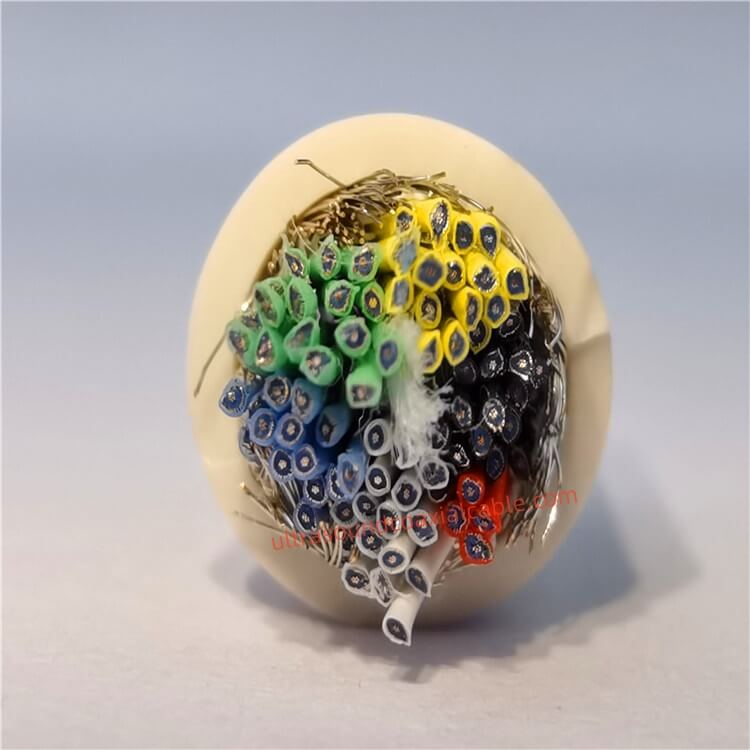
Product OverviewThe Ultrasound Coaxial Cable is a specialized cable engineered to deliver ultra-low signal loss, exceptional shielding, and unmatched durability in critical environments. Designed for medical imaging, industrial testi.
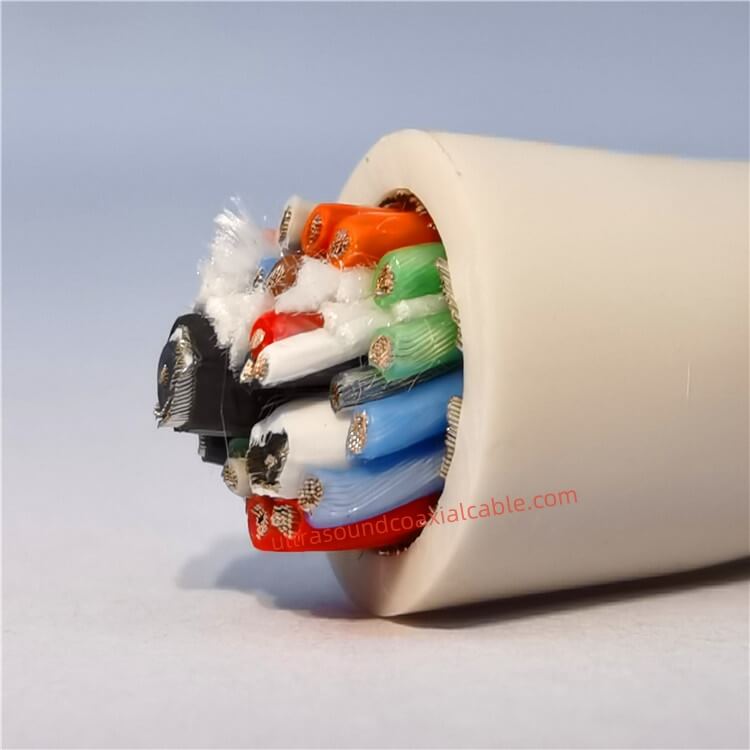
High-Precision 138-Core Medical Ultrasound Coaxial Cables | 0.2mm Ultra-Fine Biocompatible Design for Diagnostic Imaging Product Overview Engineered for advanced medical imaging systems, our 138-Core Medical Ultrasound Probe Coa.
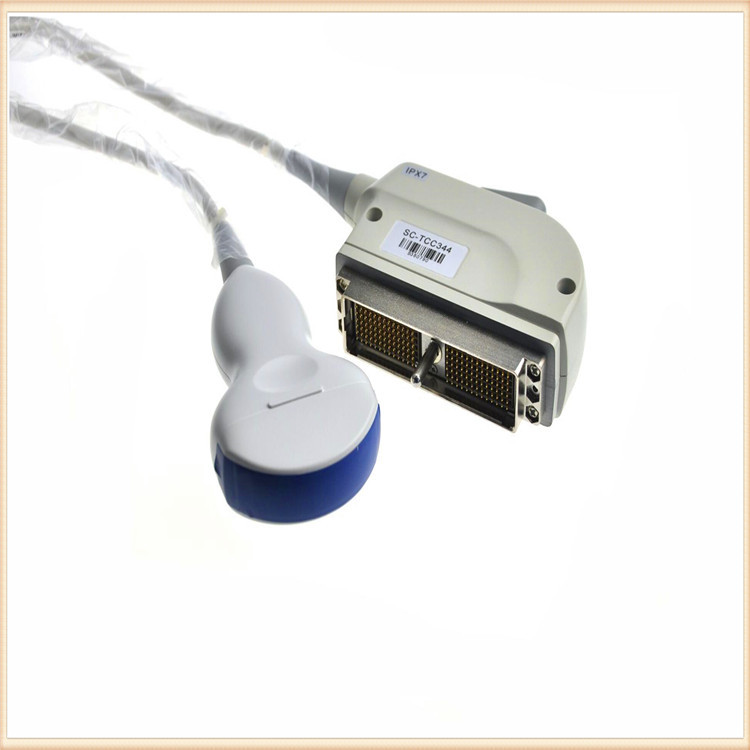
High-Performance Military Ultrasound Coaxial Cables: Built for Extreme Conditions Designed to meet the demanding requirements of military, aerospace, and medical applications, our Military-Grade Ultrasound Coaxial Cables deliver except.

High-Performance Flexible Coaxial Cable for Medical Imaging & Ultrasound Systems Designed for demanding applications in medical imaging, industrial diagnostics, and high-frequency signal transmission, this ultra-flexible coaxial ca.
Feel free to reach out to us for any inquiries or orders.