How to Ensure Signal Integrity in Medical Imaging: Understanding Impedance Tolerance in Ultrasound Coaxial Cables​ | High-Quality Ultrasound Coaxial Cable | ultrasound coaxial cable Manufacturer & Factory-FRS

How to Ensure Signal Integrity in Medical Imaging: Understanding Impedance Tolerance in Ultrasound Coaxial Cables​

In the fast-evolving field of medical imaging and industrial diagnostics, ​ultrasound coaxial cables​ play a pivotal role in delivering precise,… - Professional Ultrasound Coaxial Cable Solutions

Information

Learn more about, latest news, frequently asked questions

In the fast-evolving field of medical imaging and industrial diagnostics, ​ultrasound coaxial cables​ play a pivotal role in delivering precise, high-resolution data. One critical yet often overlooked factor in their performance is ​impedance tolerance. Whether you’re designing medical equipment, maintaining industrial NDT systems, or upgrading imaging devices, understanding how impedance tolerance impacts signal quality can make all the difference. Let’s dive into the essentials of impedance tolerance in ultrasound coaxial cables and why it matters for your applications.


What Is Impedance Tolerance?​

Impedance tolerance refers to the allowable deviation from the nominal impedance value of a coaxial cable, typically expressed in ohms (Ω). For ultrasound applications, cables are engineered to maintain a stable impedance (commonly ​50Ω​ or ​75Ω) across their entire length to minimize signal reflections and ensure efficient energy transfer. Even minor deviations can cause signal distortion, image artifacts, or data loss—critical issues in medical diagnostics and industrial testing.

Example: A cable labeled as ​50Ω ±1Ω​ guarantees that its actual impedance will stay within 49Ω to 51Ω under specified conditions. Tighter tolerances (e.g., ±0.5Ω) are often required for high-frequency systems like phased-array ultrasound probes .


Why Impedance Tolerance Matters in Ultrasound Systems

  1. Signal Integrity​Ultrasound systems rely on high-frequency signals (up to 40 MHz) to generate real-time images. Impedance mismatches introduce reflections, causing signal loss and blurring. For instance, a 1% impedance deviation at 20 MHz can lead to a ​0.5 dB loss—enough to degrade image resolution in cardiac or vascular scans .
  2. Compliance with Medical Standards​Medical-grade cables must adhere to strict regulations (e.g., FDA, IEC). Impedance stability ensures compatibility with diagnostic equipment and reduces risks of non-compliance.
  3. Long-Term Reliability​Industrial environments expose cables to mechanical stress, temperature fluctuations, and chemical agents. Robust impedance tolerance safeguards performance over thousands of cycles, crucial for applications like automotive NDT or surgical imaging .

Key Factors Influencing Impedance Tolerance

  1. Conductor Design
    • Material: Silver-plated copper alloys (e.g., McGill Microwave’s 38 AWG conductors) offer low resistance and corrosion resistance, critical for maintaining impedance consistency .
    • Stranding: Tightly twisted or solid conductors minimize dimensional variations, ensuring uniform impedance.
  2. Insulation Materials​Fluoropolymers like PTFE or FEP are preferred for their dielectric stability. For example, a 0.095 mm fluoropolymer layer ensures minimal capacitance variation, directly impacting impedance control .
  3. Shielding Configuration
    • Dual Shielding: Combining spiral (90% coverage) and braid shields (85% coverage) reduces electromagnetic interference (EMI), preserving impedance integrity in electrically noisy environments .
    • Coverage Consistency: Irregular shielding gaps can introduce impedance fluctuations, especially in high-frequency applications.
  4. Manufacturing Precision​Automated extrusion and laser-cutting techniques ensure uniform insulation and conductor dimensions. For medical cables, tolerances tighter than ±0.02 mm are common to meet stringent performance requirements .

FRS: Your Trusted Partner for Precision Ultrasound Coaxial Cables

At ​FRS, we specialize in designing and manufacturing ​ultrasound coaxial cables​ with industry-leading impedance tolerance (±1Ω for 50Ω cables). Here’s how we deliver unmatched reliability:

1. Advanced Material Selection

  • Conductors: Silver-plated copper ensures minimal skin effect and consistent impedance, even at 40 MHz.
  • Insulation: Medical-grade PTFE/PFA materials resist heat (up to 80°C) and chemical degradation, critical for autoclave-sterilizable probes .

2. Rigorous Quality Control

  • In-House Testing: Each batch undergoes time-domain reflectometry (TDR) to verify impedance uniformity across 100% of the cable length.
  • Certifications: ISO 13485-certified, our cables meet IEC 60601-1 safety standards for medical applications.

3. Custom Solutions

  • Flexible Configurations: From 48 to 256 channels, we tailor conductor count, shielding layers, and jacket materials to your imaging needs.
  • Low-Noise Design: Optimized braid shielding minimizes crosstalk, essential for Doppler ultrasound applications .

Applications Where Impedance Tolerance Matters Most

  1. Medical Imaging
    • High-Resolution Ultrasound: Tight impedance control ensures crisp B-mode and Doppler images, critical for detecting microcalcifications in breast cancer screening.
    • Portable Devices: Compact, low-profile cables retain impedance stability in handheld scanners used in emergency rooms .
  2. Industrial Non-Destructive Testing (NDT)​
    • Phased-Array Probes: Maintain signal coherence across 128+ elements during flaw detection in aerospace components.
    • Harsh Environments: Oil-resistant jackets and shielding protect cables in automotive or marine inspections .
  3. Research & Development
    • Custom Probe Development: Prototype cables with adjustable impedance profiles to test novel imaging algorithms.

How to Verify Impedance Tolerance in Your Cables

  1. Use a Vector Network Analyzer (VNA)​​Measure impedance across the frequency range (e.g., 1–40 MHz) to identify deviations. FRS provides detailed VNA reports with every shipment.
  2. Check Manufacturer Specifications​Look for terms like “±1Ω tolerance” or “EN 50169-1 compliance” to ensure alignment with your system’s requirements.
  3. Conduct Field Testing​Simulate real-world conditions (e.g., bending, temperature cycles) to validate long-term impedance stability.

Why Choose FRS for Your Ultrasound Coaxial Needs?​

  • 20+ Years of Expertise: Serving OEMs in medical imaging, aerospace, and energy sectors.
  • Global Logistics: Fast turnaround from our ISO-certified facilities in China and the US.
  • End-to-End Support: From design validation to post-delivery technical assistance.

Final Thoughts

Impedance tolerance isn’t just a technical specification—it’s the backbone of reliable signal transmission in ultrasound systems. Whether you’re a medical device manufacturer striving for FDA compliance or an industrial firm needing rugged NDT solutions, partnering with a precision-focused supplier like ​FRS​ ensures your cables meet the highest standards.

Ready to elevate your imaging systems? ​Contact FRS today​ to discuss custom ultrasound coaxial cables tailored to your unique requirements. Let’s engineer the future of signal integrity, one impedance-tolerant cable at a time.


Keywords: Ultrasound coaxial cables, impedance tolerance, medical imaging cables, industrial NDT cables, signal integrity, RF shielding, ISO-certified suppliers, medical-grade cables, phased-array probes, FRS cables.

Hot Selling Products

Discover our most popular furniture pieces that are loved by customers worldwide.
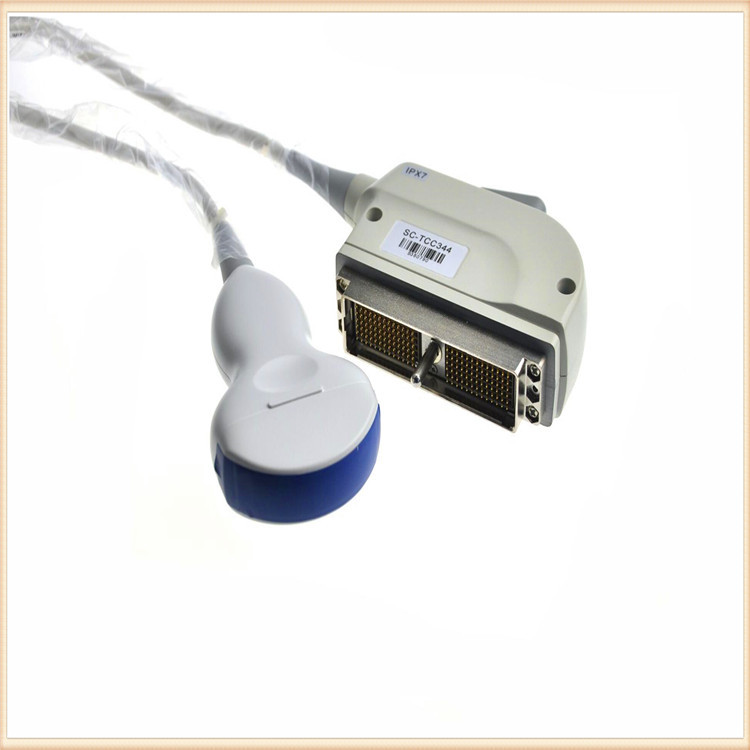
Military-Grade Ultrasound Coaxial Cable – High-Temperature Resistance, 100daN Compression Strength

Military-Grade Ultrasound Coaxial Cable – High-Temperature Resistance, 100daN Compression Strength

High-Performance Military Ultrasound Coaxial Cables: Built for Extreme Conditions Designed to meet the demanding requirements of military, aerospace, and medical applications, our Military-Grade Ultrasound Coaxial Cables deliver except.
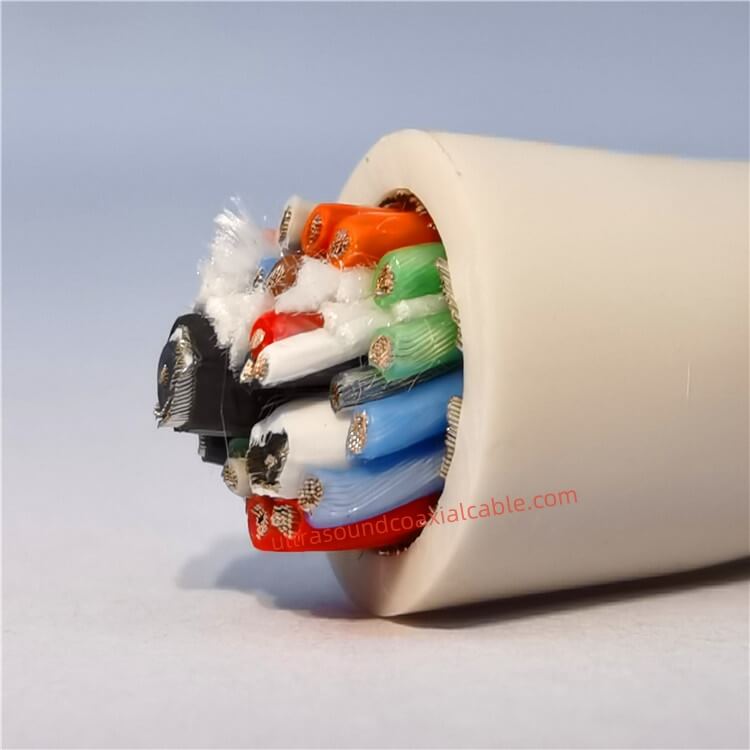
138-Core Medical Ultrasound Probe Coaxial Cable with 0.2mm Diameter – Biocompatible & FDA-Certified

138-Core Medical Ultrasound Probe Coaxial Cable with 0.2mm Diameter – Biocompatible & FDA-Certified

High-Precision 138-Core Medical Ultrasound Coaxial Cables | 0.2mm Ultra-Fine Biocompatible Design for Diagnostic Imaging Product Overview Engineered for advanced medical imaging systems, our 138-Core Medical Ultrasound Probe Coa.

High-Precision Ultrasound Coaxial Cable for Medical Imaging – Low Noise, Flexible Design, 42AWG

High-Precision Ultrasound Coaxial Cable for Medical Imaging – Low Noise, Flexible Design, 42AWG

Ultra-Flexible 42AWG Medical-Grade Coaxial Cables for High-Precision Ultrasound Imaging Designed for demanding medical imaging applications, our Ultra-Flexible 42AWG Coaxial Cables deliver exceptional signal integrity, noise reduction,.
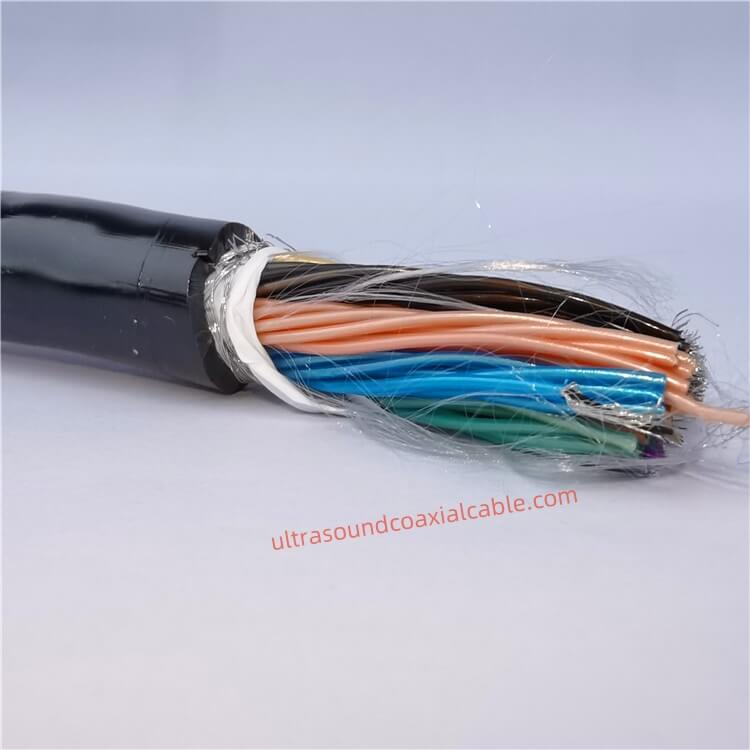
Customizable Ultrasound Coaxial Cable Assembly – 42AWG to 30AWG, 6.6mm OD, 18GHz Bandwidth

Customizable Ultrasound Coaxial Cable Assembly – 42AWG to 30AWG, 6.6mm OD, 18GHz Bandwidth

High-Performance Ultrasound Coaxial Cable Assembly: 42AWG to 30AWG, 6.6mm OD, 18GHz Bandwidth Engineered for precision in medical imaging and industrial applications, this customizable coaxial cable assembly delivers exceptional signal.

Contact Us

Feel free to reach out to us for any inquiries or orders.

Call Us

Have a question? Give us a call!

                   +8618818785005(Whatsapp)

Email Us

Send us an email and we'll get back to you soon.

sales@custom-cable-assemblies.com
       
Home Products Contact