How to Ensure Patient Safety When Using Ultrasound Coaxial Cables | High-Quality Ultrasound Coaxial Cable | ultrasound coaxial cable Manufacturer & Factory-FRS

How to Ensure Patient Safety When Using Ultrasound Coaxial Cables

Ultrasound technology has revolutionized modern medicine, enabling non-invasive diagnostics and treatments with unparalleled precision. At the heart of this innovation… - Professional Ultrasound Coaxial Cable Solutions

Information

Learn more about, latest news, frequently asked questions

Ultrasound technology has revolutionized modern medicine, enabling non-invasive diagnostics and treatments with unparalleled precision. At the heart of this innovation lies the ​ultrasound coaxial cable, a critical component that ensures seamless signal transmission between imaging systems and probes. However, the safety of patients and operators hinges not only on the technology itself but also on rigorous adherence to safety protocols, proper cable selection, and compliance with industry standards. This comprehensive guide explores actionable strategies to safeguard patient safety while optimizing the performance of ​coaxial cables​ in medical applications.


1. Prioritize Cable Design for Safety and Performance

The structural integrity of ​ultrasound coaxial cables​ directly impacts patient safety. Key design considerations include:

  • Double Shielding: Medical-grade cables should feature dual-layer shielding—such as aluminum-polyethylene tape and silver-plated copper braiding—to block electromagnetic interference (EMI) and ensure signal clarity. This minimizes risks of imaging errors, which could lead to misdiagnoses or ineffective treatments .
  • Flexible and Durable Construction: Cables must withstand repeated bending and twisting during procedures. Multi-stranded silver-plated copper conductors, combined with fluoropolymer insulation (e.g., PTFE or FEP), enhance flexibility and thermal stability, reducing the risk of breakage or signal loss .
  • Low Capacitance: Capacitance levels below 12 pF/ft are critical for high-frequency applications like intraoperative ultrasound. Custom-engineered cables with ultra-low capacitance ensure accurate data transmission, critical for procedures such as vascular imaging or biopsy guidance .

2. Material Selection: Biocompatibility and Sterilization Resistance

Patient safety begins with materials that meet stringent medical standards:

  • Biocompatible Insulation: Fluorinated ethylene propylene (FEP) and polytetrafluoroethylene (PTFE) jackets are non-toxic, chemically inert, and resistant to autoclave sterilization. These materials prevent degradation during repeated cleaning, ensuring long-term reliability .
  • Lead-Free Components: Modern cables eliminate hazardous substances like lead, adhering to RoHS directives. This safeguards both patients and healthcare workers from toxic exposure .
  • Ethylene Oxide (EtO) Compatibility: Cables used in reusable probes must withstand EtO sterilization without compromising structural integrity. Specialized shielding and jacketing materials ensure compliance with hospital disinfection protocols .

3. Compliance with Medical Standards and Certifications

Regulatory adherence is non-negotiable for manufacturers and suppliers:

  • ISO 13485 Certification: Ensure cables are manufactured under a quality management system tailored for medical devices. This guarantees traceability, risk management, and consistent performance .
  • IEC 60601-1 Safety Standards: Cables must pass dielectric strength tests (e.g., 500V AC for 1 minute) and insulation resistance checks to prevent electrical hazards .
  • FDA Registration: For U.S.-based suppliers, FDA registration validates compliance with regulatory requirements for medical equipment components .

4. Implement Rigorous Testing Protocols

Preventive measures during production and deployment mitigate risks:

  • Pre-Production Sampling: Conduct bending, resistance, and capacitance tests on prototypes to identify flaws early. For example, 500,000 flex cycles at 90-degree angles simulate long-term probe use .
  • In-Process Quality Control: Monitor extrusion processes to ensure uniform dielectric thickness and shielding coverage. Automated systems can detect defects like insulation cracks or improper braid alignment .
  • Post-Sterilization Validation: After EtO or autoclave cycles, test cables for impedance shifts or signal attenuation to confirm durability .

5. Partner with Reputable Manufacturers and Suppliers

Choosing the right ​coaxial cable supplier​ is pivotal for risk mitigation:

  • Customization Capabilities: Medical device OEMs require cables tailored to specific probes or imaging systems. Leading manufacturers offer bespoke solutions, such as ribbonized cables for multi-channel probes or ultra-thin designs (e.g., 4.8mm OD) for minimally invasive tools .
  • Technical Expertise: Collaborate with suppliers experienced in RF/microwave applications. For instance, phase-stable cables with <0.25% impedance tolerance are ideal for Doppler ultrasound systems .
  • Global Certifications: Opt for suppliers with ISO 9001, IECEx, and UL certifications, ensuring adherence to international safety benchmarks .

FRS: Your Trusted Partner in Medical Coaxial Solutions

When it comes to safeguarding patient safety through superior ​ultrasound coaxial cables, ​FRS​ stands out as an industry leader. Our cables are engineered with:

  • Military-Grade Shielding: Multi-layer shielding (e.g., Al-PET tape + SPC braid) ensures <1% signal leakage, critical for MRI and CT imaging.
  • Ergonomic Flexibility: Micro-coaxial designs (down to 0.175mm pitch) enable seamless integration into robotic surgical systems.
  • End-to-End Compliance: From ISO 13485-certified manufacturing to FDA registration, we address every safety checkpoint.

For medical device manufacturers and healthcare providers, partnering with FRS means investing in reliability, precision, and peace of mind.


Conclusion

Ensuring patient safety with ​ultrasound coaxial cables​ requires a holistic approach—spanning design, material science, regulatory compliance, and supplier selection. By prioritizing high-shield cables, rigorous testing, and collaborations with certified manufacturers like FRS, healthcare facilities can uphold diagnostic accuracy, reduce operational risks, and build trust with patients. In an era where technology and safety go hand in hand, investing in robust coaxial solutions is not just a choice—it’s a responsibility.

Hot Selling Products

Discover our most popular furniture pieces that are loved by customers worldwide.
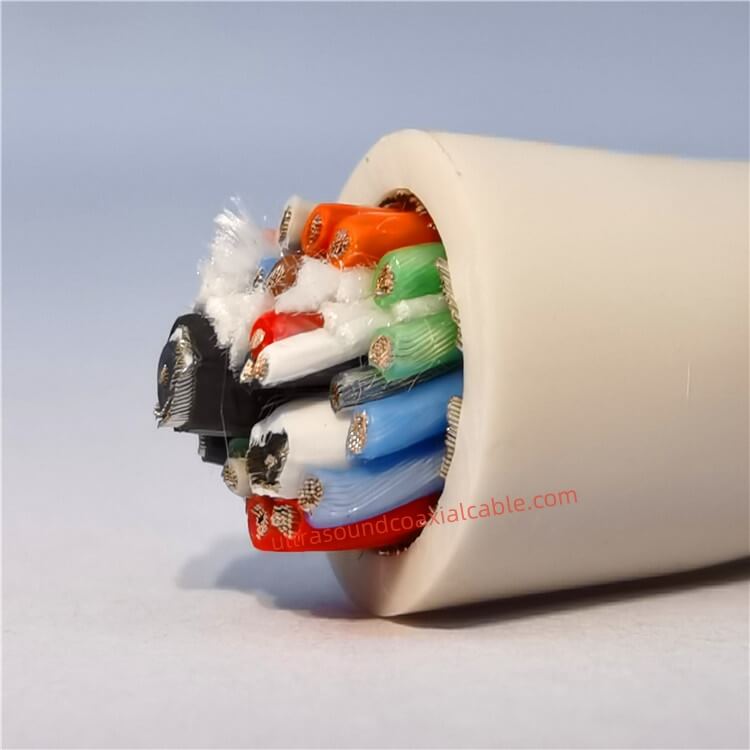
138-Core Medical Ultrasound Probe Coaxial Cable with 0.2mm Diameter – Biocompatible & FDA-Certified

138-Core Medical Ultrasound Probe Coaxial Cable with 0.2mm Diameter – Biocompatible & FDA-Certified

High-Precision 138-Core Medical Ultrasound Coaxial Cables | 0.2mm Ultra-Fine Biocompatible Design for Diagnostic Imaging Product Overview Engineered for advanced medical imaging systems, our 138-Core Medical Ultrasound Probe Coa.

High-Precision Ultrasound Coaxial Cable for Medical Imaging – Low Noise, Flexible Design, 42AWG

High-Precision Ultrasound Coaxial Cable for Medical Imaging – Low Noise, Flexible Design, 42AWG

Ultra-Flexible 42AWG Medical-Grade Coaxial Cables for High-Precision Ultrasound Imaging Designed for demanding medical imaging applications, our Ultra-Flexible 42AWG Coaxial Cables deliver exceptional signal integrity, noise reduction,.
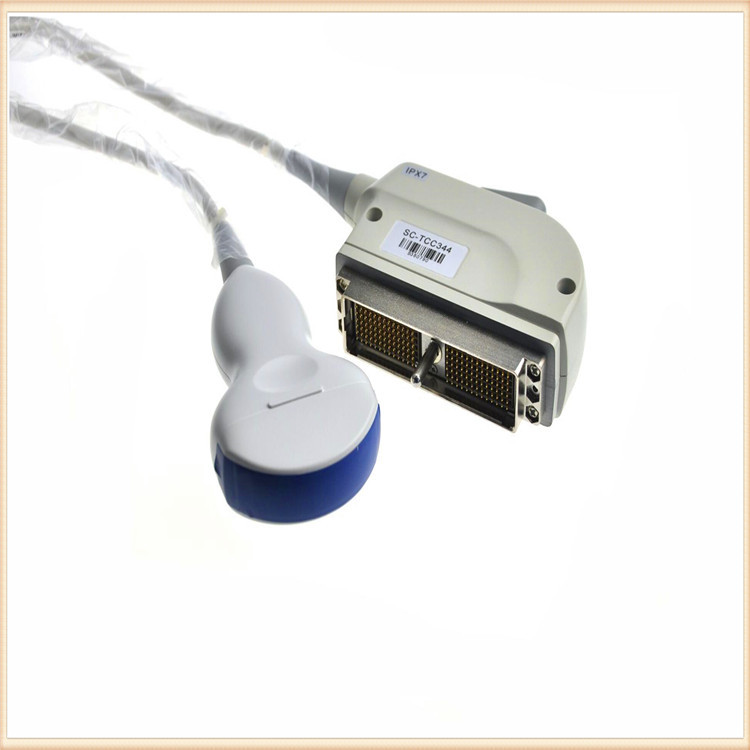
Military-Grade Ultrasound Coaxial Cable – High-Temperature Resistance, 100daN Compression Strength

Military-Grade Ultrasound Coaxial Cable – High-Temperature Resistance, 100daN Compression Strength

High-Performance Military Ultrasound Coaxial Cables: Built for Extreme Conditions Designed to meet the demanding requirements of military, aerospace, and medical applications, our Military-Grade Ultrasound Coaxial Cables deliver except.
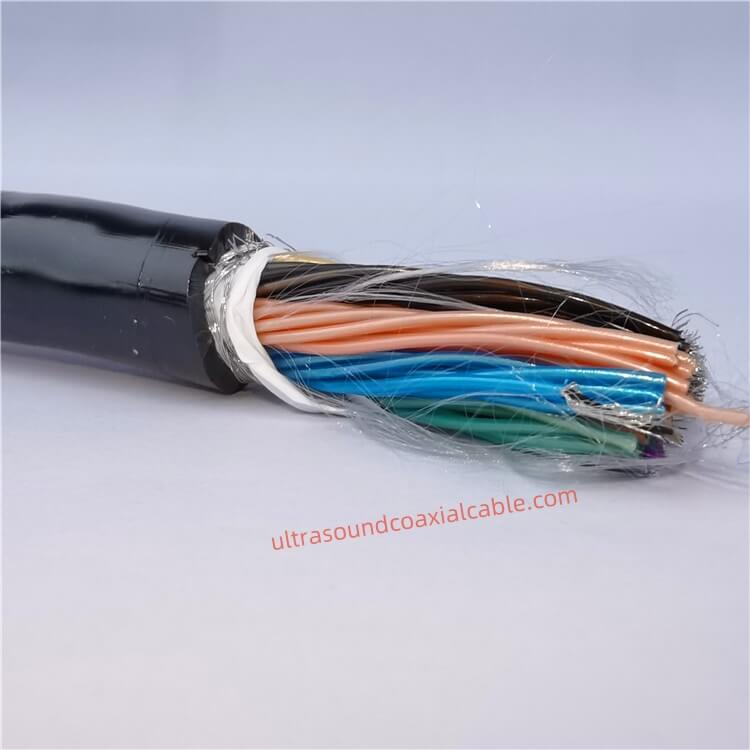
Customizable Ultrasound Coaxial Cable Assembly – 42AWG to 30AWG, 6.6mm OD, 18GHz Bandwidth

Customizable Ultrasound Coaxial Cable Assembly – 42AWG to 30AWG, 6.6mm OD, 18GHz Bandwidth

High-Performance Ultrasound Coaxial Cable Assembly: 42AWG to 30AWG, 6.6mm OD, 18GHz Bandwidth Engineered for precision in medical imaging and industrial applications, this customizable coaxial cable assembly delivers exceptional signal.

Contact Us

Feel free to reach out to us for any inquiries or orders.

Call Us

Have a question? Give us a call!

                   +8618818785005(Whatsapp)

Email Us

Send us an email and we'll get back to you soon.

sales@custom-cable-assemblies.com
       
Home Products Contact