How to ensure compatibility between ultrasound coaxial cables and my system? | High-Quality Ultrasound Coaxial Cable | ultrasound coaxial cable Manufacturer & Factory-FRS

How to ensure compatibility between ultrasound coaxial cables and my system?

Ensuring Seamless Compatibility Between Ultrasound Coaxial Cables and Your System​ Ultrasound technology has become indispensable in modern healthcare, offering non-invasive… - Professional Ultrasound Coaxial Cable Solutions

Information

Learn more about, latest news, frequently asked questions

Ensuring Seamless Compatibility Between Ultrasound Coaxial Cables and Your System

Ultrasound technology has become indispensable in modern healthcare, offering non-invasive imaging solutions for diagnostics and monitoring. At the heart of this technology lies the ​ultrasound coaxial cable, a critical component that ensures signal integrity and system performance. Whether you’re setting up a medical imaging suite or upgrading existing equipment, achieving compatibility between these cables and your system is paramount. Below, we break down actionable steps to guarantee seamless integration, backed by industry insights and practical solutions.


1. Understand Your System’s Technical Requirements

Before selecting cables, analyze your ultrasound system’s specifications. Key factors include:

  • Frequency Range: Ultrasound systems operate across varying frequencies (e.g., 2–20 MHz for general imaging). Cables must support these ranges without signal degradation. For high-frequency applications, consider cables with low attenuation and impedance matching (typically 50Ω or 75Ω) .
  • Connector Types: Most systems use standardized connectors like BNC or LEMO. Verify your system’s port type and ensure cables have compatible connectors. Custom solutions, such as FRS’s precision-molded connectors, are ideal for specialized probes .
  • Signal Sensitivity: Medical imaging demands minimal noise. Cables should feature shielding (e.g., braided copper or tinned copper) to block electromagnetic interference (EMI) and maintain signal clarity .

FRS Advantage: Our cables are engineered for frequency ranges up to 18 GHz, with shielding effectiveness exceeding 90 dB, ensuring compatibility with advanced imaging systems.


2. Prioritize Mechanical and Environmental Durability

Ultrasound cables endure repeated bending, sterilization, and harsh operating conditions. Key considerations:

  • Flexibility: Semi-flexible or micro-coaxial cables (e.g., 0.2 mm diameter) are ideal for portable devices or minimally invasive procedures. FRS’s ultra-thin cables retain flexibility even after thousands of bending cycles .
  • Temperature Resistance: For autoclave sterilization or outdoor use, opt for cables with Teflon insulation, rated for -55°C to +180°C. These materials resist cracking and signal loss under thermal stress .
  • Cable Thickness: Compact designs (e.g., 36 AWG conductors) reduce bulk while maintaining durability, crucial for crowded surgical environments .

FRS Advantage: Our cables combine military-grade durability with medical-grade certifications, surviving 500+ bending cycles and extreme temperatures.


3. Validate Electrical Performance Metrics

Compatibility hinges on meeting electrical benchmarks:

  • Impedance Matching: Mismatched impedance (e.g., 50Ω vs. 75Ω) causes signal reflections. Use time-domain reflectometry (TDR) to verify impedance uniformity across the cable’s length .
  • Attenuation: Measure signal loss at operational frequencies. High-quality cables minimize attenuation (e.g., <0.15 dB/m at 1 GHz), ensuring clarity in deep-tissue imaging .
  • Shielding Effectiveness: Test shielding integrity using absorption clamp or TEM cell methods. FRS cables achieve 100 dB shielding effectiveness, critical for EMI-sensitive environments .

FRS Advantage: Our lab-certified cables undergo rigorous TDR and shielding tests, ensuring compliance with IEC 61196-1 standards.


4. Optimize Connector Design for Probe Compatibility

The connector is the bridge between the cable and transducer. Key aspects:

  • Plug-and-Play Solutions: Ensure connectors align with your probes (e.g., 1.5 mm or 3.5 mm). FRS offers modular connectors for quick swaps between probes, reducing downtime .
  • Soldering Compatibility: For custom builds, select cables with solderable terminals (e.g., tin-plated copper). Poor solder joints introduce noise and signal loss.
  • Sealing: Waterproof or IP67-rated connectors are essential for surgical or outdoor use.

FRS Advantage: Our leak-proof connectors feature gold-plated contacts for corrosion resistance and low contact resistance.


5. Conduct System Integration Testing

Before deployment, simulate real-world scenarios:

  • Signal Path Validation: Use network analyzers to map the signal path from transducer to processor. Identify impedance mismatches or noise spikes.
  • Stress Testing: Simulate repeated use by flexing cables at minimum bend radius (e.g., 10× diameter). Monitor performance degradation over cycles .
  • Environmental Simulation: Test in humidity chambers or vibration tables to replicate clinical conditions.

FRS Advantage: We provide pre-integration testing services, ensuring compatibility before installation.


6. Partner with a Trusted Manufacturer

Not all cables are created equal. When choosing a supplier:

  • Customization: Look for manufacturers offering bespoke designs (e.g., hybrid cables with fiber optics for data synchronization).
  • Certifications: Prioritize ISO 13485-certified suppliers for medical-grade reliability.
  • Support: Ensure access to technical documentation and replacement programs.

FRS Advantage: As a leader in medical interconnect solutions, FRS delivers end-to-end support, from design to lifecycle management.


Conclusion

Ensuring compatibility between ultrasound coaxial cables and your system requires a blend of technical expertise, rigorous testing, and reliable partnerships. By prioritizing impedance matching, shielding, and mechanical durability, you can minimize signal loss and maximize diagnostic accuracy. Whether upgrading legacy equipment or launching a new product line, investing in high-performance cables like those from FRS guarantees long-term efficiency and patient safety.

FRS: Your Partner in Precision Imaging
FRS specializes in engineering ultrasound coaxial cables that meet the stringent demands of modern healthcare. From 50Ω impedance cables for portable devices to ultra-thin probes for minimally invasive surgery, our products are trusted by hospitals and research institutions worldwide. today and experience seamless system integration.


Keywords integrated: ultrasound coaxial cable compatibility, medical imaging cable integration, ultrasound probe connector types, impedance matching cables, medical-grade coaxial shielding, flexible ultrasound cables, autoclave-safe cables, signal integrity testing, FRS medical interconnect solutions.

Hot Selling Products

Discover our most popular furniture pieces that are loved by customers worldwide.

High-Precision Ultrasound Coaxial Cable for Medical Imaging – Low Noise, Flexible Design, 42AWG

High-Precision Ultrasound Coaxial Cable for Medical Imaging – Low Noise, Flexible Design, 42AWG

Ultra-Flexible 42AWG Medical-Grade Coaxial Cables for High-Precision Ultrasound Imaging Designed for demanding medical imaging applications, our Ultra-Flexible 42AWG Coaxial Cables deliver exceptional signal integrity, noise reduction,.
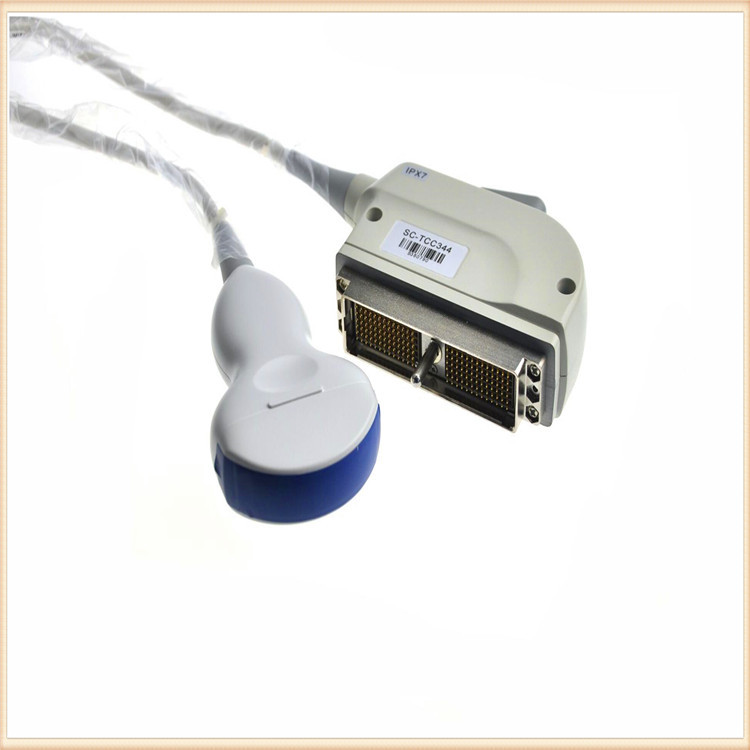
Military-Grade Ultrasound Coaxial Cable – High-Temperature Resistance, 100daN Compression Strength

Military-Grade Ultrasound Coaxial Cable – High-Temperature Resistance, 100daN Compression Strength

High-Performance Military Ultrasound Coaxial Cables: Built for Extreme Conditions Designed to meet the demanding requirements of military, aerospace, and medical applications, our Military-Grade Ultrasound Coaxial Cables deliver except.
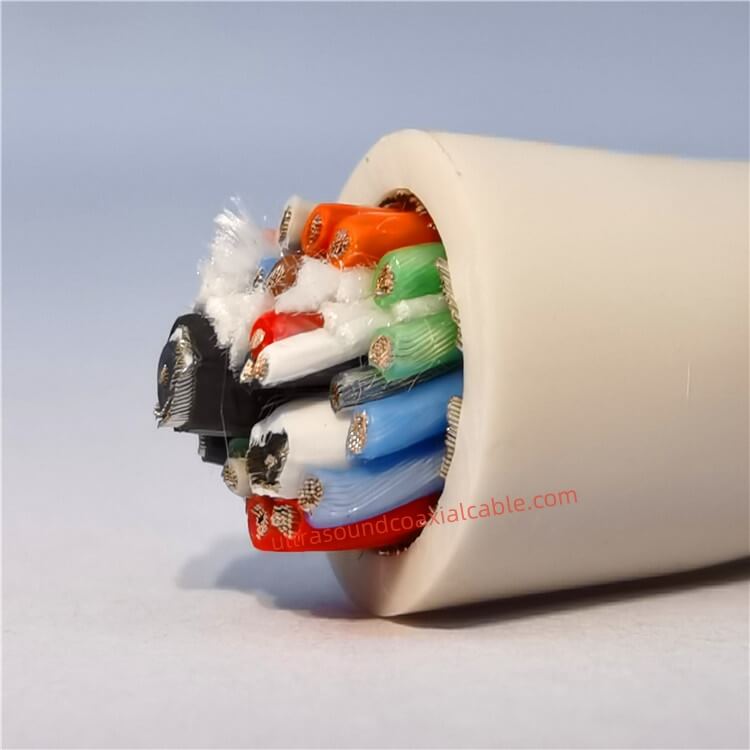
138-Core Medical Ultrasound Probe Coaxial Cable with 0.2mm Diameter – Biocompatible & FDA-Certified

138-Core Medical Ultrasound Probe Coaxial Cable with 0.2mm Diameter – Biocompatible & FDA-Certified

High-Precision 138-Core Medical Ultrasound Coaxial Cables | 0.2mm Ultra-Fine Biocompatible Design for Diagnostic Imaging Product Overview Engineered for advanced medical imaging systems, our 138-Core Medical Ultrasound Probe Coa.

Ultra-Flexible Coaxial Cable for Ultrasound Transducers – 44AWG, 0.15dB/m Attenuation at 1GHz

Ultra-Flexible Coaxial Cable for Ultrasound Transducers – 44AWG, 0.15dB/m Attenuation at 1GHz

High-Performance Flexible Coaxial Cable for Medical Imaging & Ultrasound Systems Designed for demanding applications in medical imaging, industrial diagnostics, and high-frequency signal transmission, this ultra-flexible coaxial ca.

Contact Us

Feel free to reach out to us for any inquiries or orders.

Call Us

Have a question? Give us a call!

                   +8618818785005(Whatsapp)

Email Us

Send us an email and we'll get back to you soon.

sales@custom-cable-assemblies.com
       
Home Products Contact