Choosing the Right Ultrasound Coaxial Cable for High-Temperature Environments When working with ultrasound systems in demanding environments—such as industrial manufacturing,… - Professional Ultrasound Coaxial Cable Solutions
Learn more about, latest news, frequently asked questions
Choosing the Right Ultrasound Coaxial Cable for High-Temperature Environments
When working with ultrasound systems in demanding environments—such as industrial manufacturing, medical imaging, or aerospace applications—the choice of coaxial cable can make or break performance. One critical factor often overlooked is the cable’s ability to withstand high temperatures. But how do you know if a standard cable will suffice, or if a specialized high-temperature ultrasound coaxial cable is necessary? Let’s break down the key considerations and applications where temperature resistance becomes paramount.
Coaxial cables transmit signals through a central conductor surrounded by insulation and shielding. Extreme temperatures can degrade these components, leading to signal loss, interference, or even physical damage. For ultrasound applications, where precision and reliability are non-negotiable, temperature resilience is critical.
Ultrasound systems rely on stable signal transmission for accurate diagnostics or monitoring. Heat-induced signal attenuation can lead to false readings or equipment malfunctions.
High temperatures can make cables brittle. If your setup involves movement, vibration, or physical stress (e.g., robotic arms in factories), the cable must remain flexible and resistant to cracking.
Industries like aerospace or military often mandate cables rated for extreme conditions. Verify if your application requires certifications such as UL AWM, MIL-C-17, or IEC standards .
Ultrasound is widely used to inspect welds, castings, or pipelines in refineries or power plants. These environments often exceed 100°C, requiring cables that resist heat and resistivity.
MRI machines and portable ultrasound devices generate heat during prolonged use. Cables near heat sources (e.g., in surgical suites) must maintain performance without overheating.
Jet engines, satellite systems, and military radar equipment operate in high-temperature zones. Lightweight, heat-resistant cables are essential for reliability in these applications .
EV battery testing and combustion engine analysis involve high-heat scenarios. Ultrasound coaxial cables here must endure thermal gradients while transmitting data accurately.
When it comes to engineering cables that thrive under pressure, FRS Coaxial Cables set the benchmark. Here’s why professionals trust FRS for high-temperature applications:
FRS utilizes proprietary blends of PTFE and ceramic-filled polymers, enabling cables to withstand continuous operation at 200°C without performance degradation. Their dual-shielded designs combine braided copper with aluminum foil for unmatched EMI shielding .
From micro-coaxial cables (0.2mm diameter) for endoscopic imaging to heavy-duty cables for industrial machinery, FRS tailors products to specific temperature and mechanical requirements.
FRS subjects cables to thermal shock tests, vibration simulations, and 1,000+ bend cycles to ensure durability. Their certifications (UL, RoHS) guarantee compliance across industries.
FRS cables power ultrasound systems in aerospace (e.g., aircraft engine diagnostics), medical device manufacturing, and offshore oil platforms, proving their versatility in extreme conditions.
If your ultrasound systems operate in environments exceeding 60°C, face mechanical stress, or require long-term reliability, investing in a high-temperature coaxial cable is essential. Brands like FRS exemplify innovation in this space, combining cutting-edge materials with rigorous testing to deliver unmatched performance.
By prioritizing temperature ratings, shielding quality, and industry certifications, you can ensure seamless signal transmission and prolong equipment lifespan. For mission-critical applications—from industrial NDT to life-saving medical imaging—FRS coaxial cables provide the durability and precision needed to excel.
FRS: Engineered for Excellence in Extreme Conditions.
Discover our most popular furniture pieces that are loved by customers worldwide.

Ultra-Flexible 42AWG Medical-Grade Coaxial Cables for High-Precision Ultrasound Imaging Designed for demanding medical imaging applications, our Ultra-Flexible 42AWG Coaxial Cables deliver exceptional signal integrity, noise reduction,.
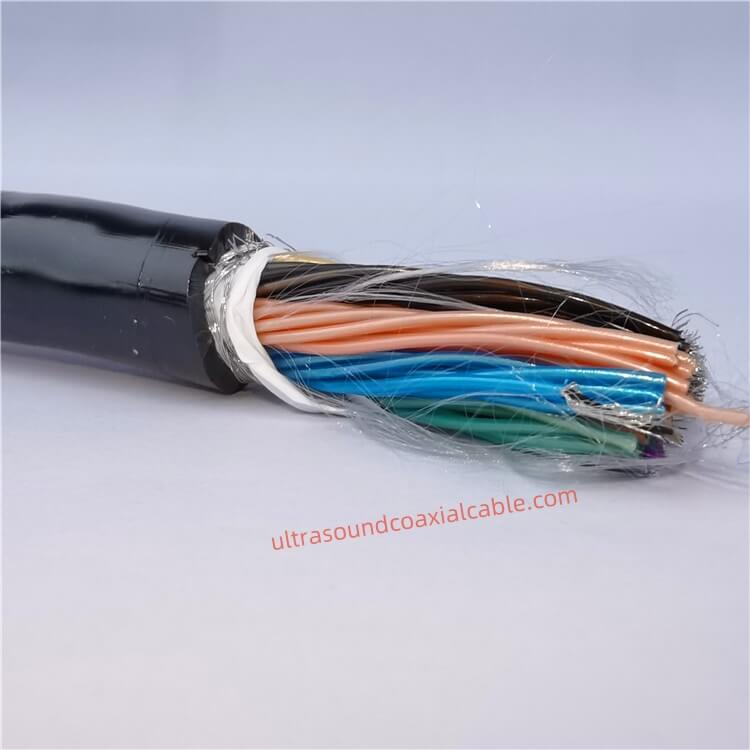
High-Performance Ultrasound Coaxial Cable Assembly: 42AWG to 30AWG, 6.6mm OD, 18GHz Bandwidth Engineered for precision in medical imaging and industrial applications, this customizable coaxial cable assembly delivers exceptional signal.
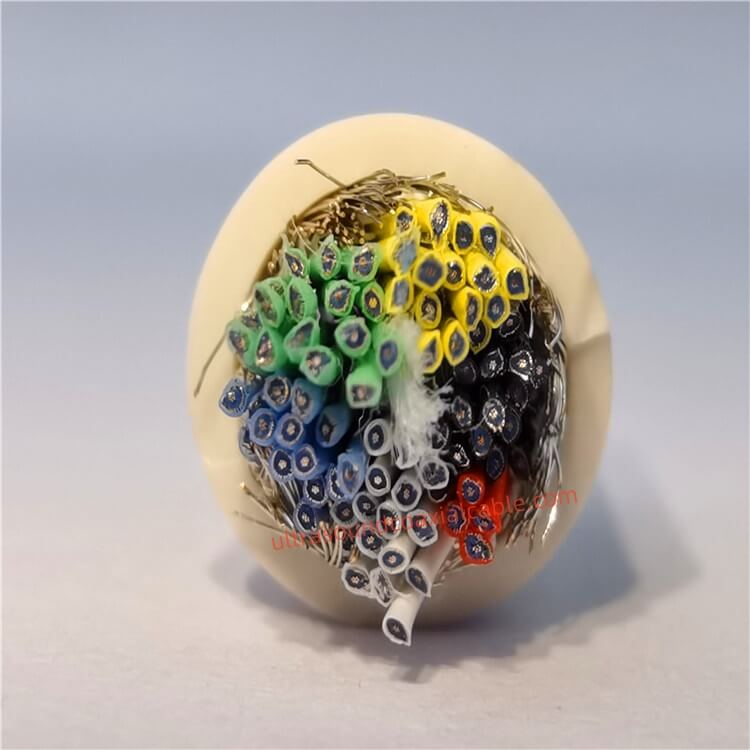
Product OverviewThe Ultrasound Coaxial Cable is a specialized cable engineered to deliver ultra-low signal loss, exceptional shielding, and unmatched durability in critical environments. Designed for medical imaging, industrial testi.

High-Performance Flexible Coaxial Cable for Medical Imaging & Ultrasound Systems Designed for demanding applications in medical imaging, industrial diagnostics, and high-frequency signal transmission, this ultra-flexible coaxial ca.
Feel free to reach out to us for any inquiries or orders.