The Critical Challenge of Water Ingress in Medical Ultrasound Systems Water ingress represents one of the most persistent and damaging… - Professional Ultrasound Coaxial Cable Solutions
Learn more about, latest news, frequently asked questions
Water ingress represents one of the most persistent and damaging threats to ultrasound coaxial cable performance and longevity. In medical environments where ultrasound systems face constant exposure to fluids, cleaning agents, and varying temperatures, cable integrity becomes paramount. When moisture penetrates the protective layers of coaxial cables, it can compromise signal quality, reduce imaging resolution, and ultimately lead to costly equipment failure and downtime.
The vulnerability is particularly acute in medical applications where ultrasound probes are repeatedly exposed to conductive gels, sterilization processes, and bodily fluids. Without proper protection, water ingress can lead to signal degradation, corrosion of conductive elements, and potential safety hazards for both patients and equipment. For healthcare providers, this translates to interrupted workflows, compromised diagnostics, and increased operational costs .
A standard coaxial cable consists of a central conductor surrounded by a dielectric insulating material, which is then shielded by a conductive layer and protected by an outer jacket. This layered structure is designed to contain electromagnetic fields and maintain signal integrity. However, each layer interface represents a potential entry point for moisture, particularly when subjected to the mechanical stresses of daily clinical use .
The most susceptible areas for water ingress in ultrasound coaxial cables include:
In medical applications, these vulnerabilities are exacerbated by frequent cleaning with disinfectants and exposure to ultrasound conduction gels that can penetrate minute openings .
When moisture penetrates coaxial cables, it fundamentally alters the electrical characteristics critical to high-frequency signal transmission. The presence of water changes the dielectric constant of insulating materials, leading to impedance mismatches that result in signal reflections, attenuation, and noise. For ultrasound imaging, this translates to reduced image clarity, artifact generation, and potential misdiagnosis .
In Doppler imaging applications where subtle flow characteristics must be detected, even minor signal degradation can significantly impact diagnostic accuracy. The problem is particularly acute in high-frequency applications (above 10 MHz) common in superficial tissue and vascular imaging, where signal integrity is paramount .
Beyond image quality issues, water ingress can lead to corrosion of conductive elements, potentially causing short circuits that damage sensitive electronic components in both the transducer and main imaging system. From a safety perspective, fluid penetration creates risk of electrical leakage that could potentially harm patients or clinicians, particularly when coupled with ground faults in other medical equipment .
The financial implications are substantial, with medical probe repairs often costing thousands of dollars and system downtime impacting patient throughput and facility revenue. Healthcare providers face the dilemma of balancing infection control protocols (which require aggressive cleaning) with preserving the integrity of sensitive coaxial cable systems .
Leading manufacturers like FRS Healthcare Technologies address water ingress through sophisticated multi-layer protection systems that extend beyond conventional single-jacket designs. These incorporate:
This tiered approach creates multiple obstacles to fluid migration, significantly extending cable lifespan in demanding medical environments .
The cable-connector interface represents the most critical vulnerability point. FRS Medical Grade Coaxial Cables employ proprietary multi-stage sealing that includes:
This comprehensive sealing approach has demonstrated 3X greater resistance to fluid penetration compared to industry standard designs in accelerated lifecycle testing .
Modern medical-grade coaxial cables incorporate specialized polymer blends that enhance fluid resistance while maintaining flexibility essential for clinical ergonomics. FRS Ultra-Guard™ jackets utilize modified silicone compounds that provide exceptional resistance to both aqueous solutions and alcohol-based disinfectants commonly used in clinical settings. These materials maintain flexibility across a wide temperature range (-40°C to +65°C), preventing brittleness and cracking that can develop in standard materials after repeated sterilization cycles .
The dielectric insulating layer between the center conductor and shielding represents another potential fluid pathway. Advanced coaxial designs now incorporate microporous PTFE formulations that actively repel moisture through chemical modification of the polymer surface. This approach maintains the excellent high-frequency electrical properties required for ultrasound transmission while eliminating capillary action that can draw moisture along the cable length .
Medical-grade coaxial cables must comply with stringent international standards that specify fluid resistance requirements. FRS cables undergo rigorous testing per IEC 61196-5 standards, which define performance parameters for coaxial cables in demanding environments. These standards now include specific provisions for cable identification, marking, and fluid resistance based on intended use environments, with medical applications requiring the highest protection levels .
Beyond standard compliance, medical cable manufacturers implement application-specific testing that simulates real-world clinical conditions. This includes:
This comprehensive validation approach ensures that cables will maintain performance throughout their expected service life in active clinical environments .
Healthcare facilities can significantly extend coaxial cable lifespan through structured maintenance programs that include:
One regional hospital network implementing FRS Cable Management Program documented a 40% reduction in cable replacement costs and 65% decrease in imaging system downtime related to cable failures .
Since human factors significantly impact cable longevity, comprehensive staff education programs are essential. These should cover:
FRS Professional Services offers customized clinical in-service programs that have demonstrated 30% longer cable service life in facilities implementing structured training protocols .
Beyond immediate replacement expenses, cable failures generate significant hidden costs including:
A comprehensive cost-benefit analysis typically reveals that investing in premium, water-resistant coaxial cables delivers substantial return on investment through improved reliability and reduced operational disruptions. Medical imaging departments tracking these metrics have found that upgrading to specialized fluid-resistant cables pays for itself within 12-18 months through avoided replacement costs and improved equipment utilization .
Emerging technologies promise even greater protection against water ingress in medical coaxial cables. Nanocomposite barrier materials incorporating graphene and other two-dimensional materials demonstrate exceptional moisture barrier properties while maintaining flexibility. Smart cable technologies with integrated moisture detection systems can alert clinicians to potential issues before significant damage occurs, enabling proactive maintenance. FRS Labs is currently field-testing a prototype with embedded moisture sensors that provide early warning of barrier compromise, potentially revolutionizing cable maintenance paradigms in medical imaging .
As ultrasound technology continues to advance with higher frequencies and more sophisticated signal processing, the demands on coaxial cable performance will only increase. Proactive addressing of water ingress challenges through advanced materials, intelligent design, and proper handling represents a critical component of maintaining diagnostic confidence and operational efficiency in modern healthcare environments .
The integration of robust, water-resistant coaxial cables specifically engineered for medical applications ensures that healthcare providers can maintain the highest standards of patient care while optimizing equipment lifecycle management. Through continued innovation and collaboration between manufacturers and clinical users, the industry is steadily overcoming one of the most persistent challenges in medical ultrasound imaging .
Discover our most popular furniture pieces that are loved by customers worldwide.

Ultra-Flexible 42AWG Medical-Grade Coaxial Cables for High-Precision Ultrasound Imaging Designed for demanding medical imaging applications, our Ultra-Flexible 42AWG Coaxial Cables deliver exceptional signal integrity, noise reduction,.
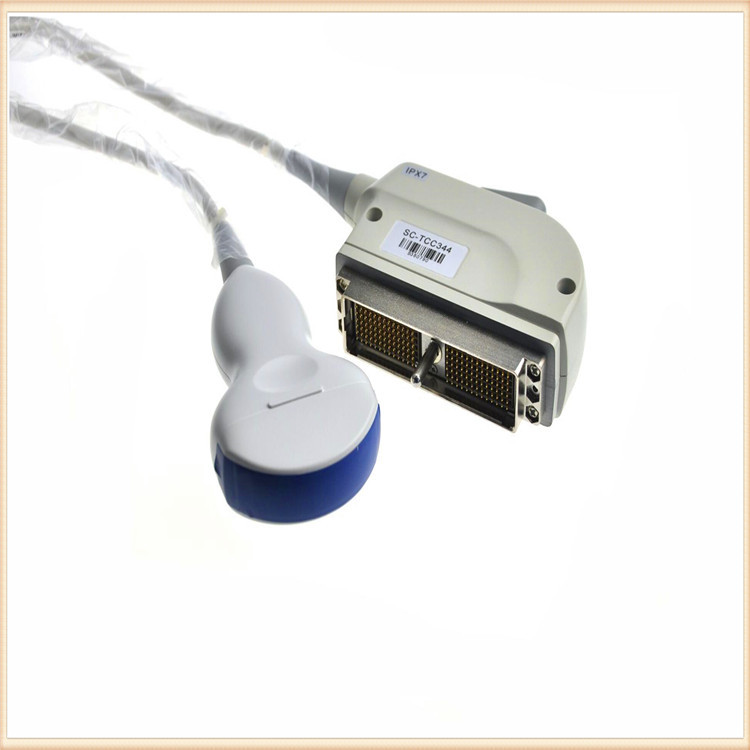
High-Performance Military Ultrasound Coaxial Cables: Built for Extreme Conditions Designed to meet the demanding requirements of military, aerospace, and medical applications, our Military-Grade Ultrasound Coaxial Cables deliver except.
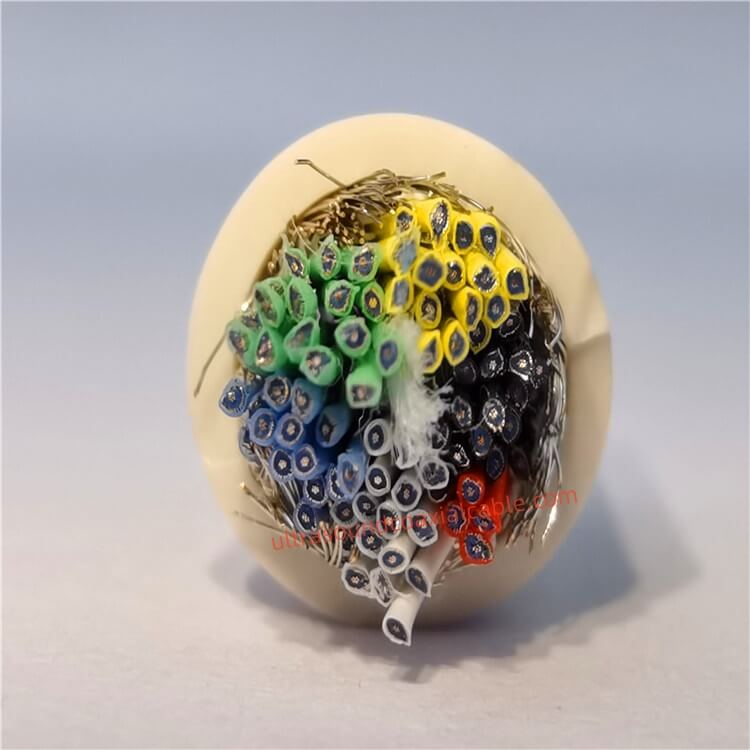
Product OverviewThe Ultrasound Coaxial Cable is a specialized cable engineered to deliver ultra-low signal loss, exceptional shielding, and unmatched durability in critical environments. Designed for medical imaging, industrial testi.

High-Performance Flexible Coaxial Cable for Medical Imaging & Ultrasound Systems Designed for demanding applications in medical imaging, industrial diagnostics, and high-frequency signal transmission, this ultra-flexible coaxial ca.
Feel free to reach out to us for any inquiries or orders.