Ultrasound coaxial cables are the critical lifelines of medical imaging systems, transmitting high-frequency signals that determine diagnostic accuracy. The question… - Professional Ultrasound Coaxial Cable Solutions
Learn more about, latest news, frequently asked questions
Ultrasound coaxial cables are the critical lifelines of medical imaging systems, transmitting high-frequency signals that determine diagnostic accuracy. The question of when to replace these cables isn’t just about cost—it’s about patient safety, image quality, and operational efficiency. While there’s no universal expiration date, industry data and clinical experience provide clear guidelines: most ultrasound coaxial cables should be replaced after 3-5 years of regular clinical use or when they fail performance testing, whichever comes first. However, this timeline varies significantly based on usage frequency, environmental conditions, and cable quality.
Material Degradation and Environmental Stress
Ultrasound coaxial cables face constant mechanical and chemical challenges. The outer jacket materials, typically medical-grade polymers, degrade over time due to repeated flexing, sterilization cycles, and exposure to cleaning chemicals. Research shows that alcohol-based disinfectants can accelerate cable degradation, causing micro-cracks in insulation that compromise signal integrity long before visible damage appears.
Mechanical Wear from Clinical Use
Each patient scan involves cable movement—wrapping, unwrapping, and bending around equipment. High-volume departments may perform thousands of scans annually, subjecting cables to tens of thousands of flex cycles. Standard cables typically withstand 5,000-10,000 flex cycles before performance degradation, while premium cables from manufacturers like FRS can achieve 10,000+ cycles while maintaining signal integrity.
Signal Integrity Degradation
The primary indicator of cable aging is increased signal attenuation and impedance mismatch. As insulation degrades, insertion loss increases, reducing image resolution and contrast. Clinical studies have demonstrated that defective transducers and cables can significantly impact diagnostic efficacy, with some facilities reporting up to 30% of probes showing performance issues related to cable degradation.
Medical Device Certifications
Medical ultrasound coaxial cables must comply with stringent global standards. ISO 13485 certification for quality management systems is essential for manufacturers supplying medical device components. This standard ensures consistent design, production, and quality control processes. Additionally, cables must meet IEC 60601-1 for electrical safety and ISO 10993 for biological evaluation, particularly for components with patient contact.
Performance Standards
ASTM F2945 provides specific test methods for medical cables, including mechanical and electrical performance criteria. Cables must withstand repeated flexing, sterilization, and chemical exposure without degradation. For ultrasound applications, impedance matching (typically 50Ω±1Ω) and low attenuation are critical—premium cables maintain insertion loss below 0.3dB/m at 5MHz and VSWR ≤1.15:1 up to 3GHz.
Regional Compliance
CE marking under the EU’s Medical Device Regulation (MDR) is mandatory for European market access, requiring comprehensive technical documentation, clinical evaluations, and post-market surveillance. North American markets require UL/CSA safety certifications, while RoHS and REACH compliance ensures environmental safety.
Global Market Dynamics
The global ultrasound coaxial cable market is experiencing steady growth, driven by increasing healthcare demand and technological advancements. The market is moderately concentrated, with key players including I-PEX, Junkosha, and Times Microwave Systems holding significant market share. However, specialized manufacturers like FRS have established strong positions through technological innovation and quality certifications.
Application Segmentation
Medical ultrasound probes account for the largest application segment, representing over 60% of global production. The shift toward portable and handheld ultrasound machines, growing at approximately 12% annually, places a premium on cables that are thin, flexible, and exceptionally durable. Industrial ultrasonic probes for non-destructive testing represent another significant market segment.
Regional Growth Patterns
North America and Asia-Pacific are the fastest-growing markets, with Asia-Pacific expected to achieve the highest CAGR during 2025-2031. This growth is driven by expanding healthcare infrastructure, increasing access to medical imaging, and rising demand for portable ultrasound systems in emerging economies.
Performance Testing Methods
Regular performance testing is essential for determining replacement timing. Ultrasound testing can detect early-stage insulation degradation by identifying partial discharge activity—a key indicator of impending failure. Tan delta (dissipation factor) testing measures dielectric losses, establishing baseline performance metrics and tracking degradation trends over time.
Visual Inspection Criteria
Visible damage includes cracks in the outer jacket, exposed shielding, connector corrosion, or kinks in the cable. Any visible damage should prompt immediate replacement, as these issues can compromise electrical safety and signal integrity. Clinical guidelines recommend monthly visual inspections in high-volume departments.
Clinical Performance Indicators
Image quality degradation is often the first sign of cable issues. Artifacts, reduced resolution, intermittent signal dropouts, or inconsistent image quality across different probes may indicate cable problems. When image quality cannot be restored through system calibration, cable replacement should be considered.
Self-Healing Coaxial Cables
FRS’s self-healing technology integrates advanced materials that autonomously repair minor damages, such as micro-cracks or insulation breaches caused by repetitive motion or chemical exposure. This innovation extends cable lifespan while maintaining signal integrity in demanding clinical environments.
Enhanced Durability Features
FRS cables feature triple-layer shielding (braid+foil+dielectric composite) providing 120dB EMI attenuation, medical-grade biocompatible outer jackets, and high-temperature resistance for repeated sterilization cycles. These cables maintain phase stability (±0.5° over 10,000 flex cycles) and operate in temperature ranges from -40°C to +105°C.
Customization Capabilities
FRS offers full-parameter customization, including impedance matching, shielding performance optimization, and connector types tailored to specific equipment requirements. With 15+ years of medical imaging experience, FRS provides technical expertise to troubleshoot design challenges and optimize performance.
Premature Failure Costs
Industry data indicates that premature cable failure in industrial settings costs manufacturers approximately $50 billion annually in unplanned downtime. In medical settings, cable-related downtime can disrupt patient care schedules and reduce department throughput.
Maintenance Optimization
Predictive maintenance technologies, including digital twin simulations that integrate real-time operational data with material aging models, enable proactive replacement planning. These systems can predict remaining useful life with less than 10% margin of error, allowing facilities to schedule replacements during planned maintenance windows.
Training and Handling Protocols
Proper cable handling significantly extends lifespan. Training staff on correct coiling techniques, avoiding sharp bends, and proper storage can reduce mechanical stress. Implementing standardized cleaning protocols that minimize chemical exposure also contributes to longer cable life.
Establishing Replacement Protocols
Facilities should develop written protocols based on manufacturer recommendations, usage patterns, and performance testing results. A tiered approach—combining regular testing, visual inspections, and performance monitoring—ensures timely replacement while avoiding unnecessary costs.
Budget Planning
Given the 3-5 year typical lifespan, facilities should budget for cable replacement as part of their capital equipment lifecycle management. Proactive replacement planning is more cost-effective than emergency replacements during critical clinical operations.
Vendor Selection Criteria
When selecting an ultrasound coaxial cable manufacturer, facilities should prioritize vendors with ISO 13485 certification, comprehensive testing protocols, and proven track records with major medical equipment manufacturers. FRS’s global service network and technical support capabilities make it a reliable partner for healthcare facilities worldwide.
By understanding the factors affecting ultrasound coaxial cable lifespan, implementing regular testing protocols, and selecting high-quality cables from certified manufacturers like FRS, healthcare facilities can ensure optimal imaging performance, patient safety, and operational efficiency throughout the cable’s service life.
Discover our most popular furniture pieces that are loved by customers worldwide.
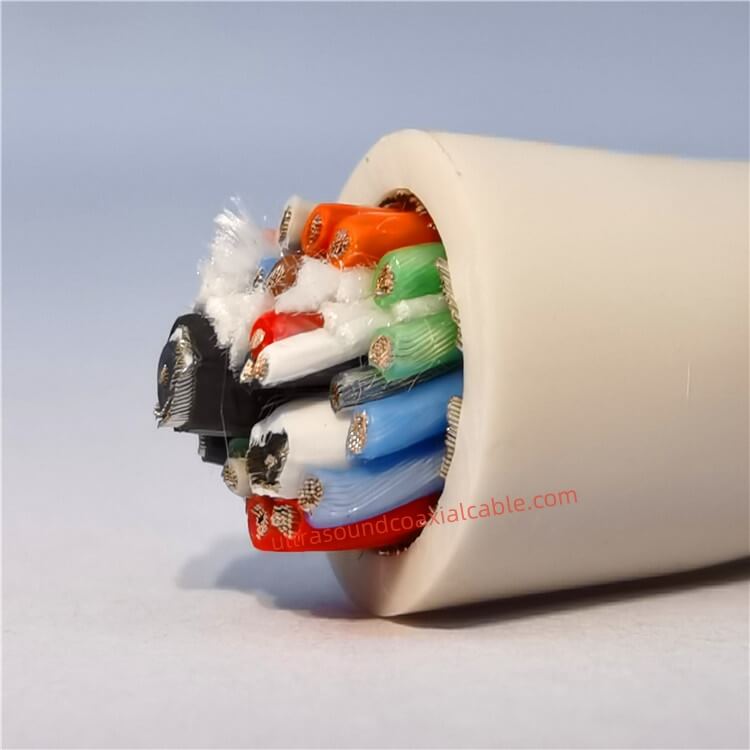
High-Precision 138-Core Medical Ultrasound Coaxial Cables | 0.2mm Ultra-Fine Biocompatible Design for Diagnostic Imaging Product Overview Engineered for advanced medical imaging systems, our 138-Core Medical Ultrasound Probe Coa.
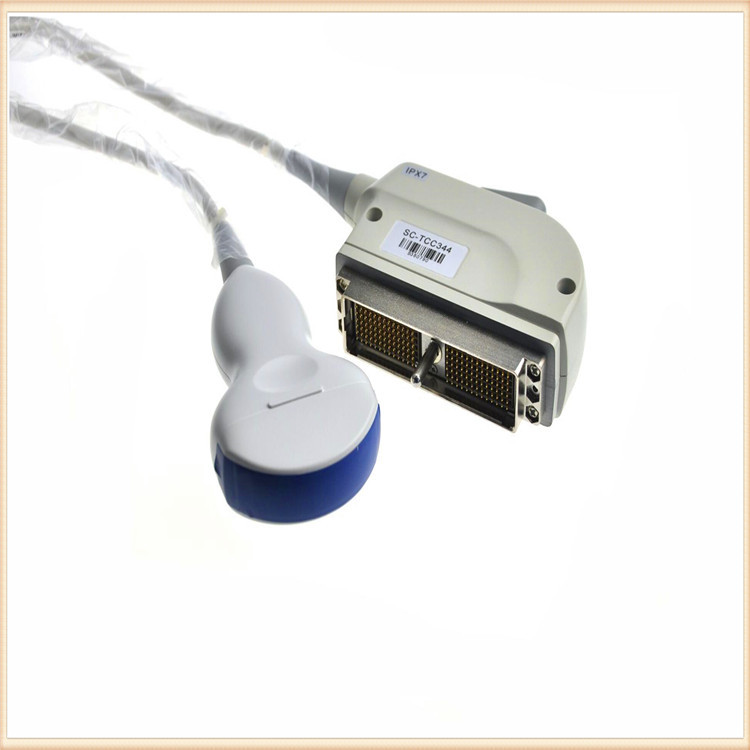
High-Performance Military Ultrasound Coaxial Cables: Built for Extreme Conditions Designed to meet the demanding requirements of military, aerospace, and medical applications, our Military-Grade Ultrasound Coaxial Cables deliver except.

Ultra-Flexible 42AWG Medical-Grade Coaxial Cables for High-Precision Ultrasound Imaging Designed for demanding medical imaging applications, our Ultra-Flexible 42AWG Coaxial Cables deliver exceptional signal integrity, noise reduction,.

High-Performance Flexible Coaxial Cable for Medical Imaging & Ultrasound Systems Designed for demanding applications in medical imaging, industrial diagnostics, and high-frequency signal transmission, this ultra-flexible coaxial ca.
Feel free to reach out to us for any inquiries or orders.