In the high-stakes world of medical diagnostics, the clarity of an ultrasound image can be the difference between an accurate… - Professional Ultrasound Coaxial Cable Solutions
Learn more about, latest news, frequently asked questions
In the high-stakes world of medical diagnostics, the clarity of an ultrasound image can be the difference between an accurate diagnosis and a missed pathology. While much attention is paid to the transducer and processing software, the Ultrasound Coaxial Cable is often the unsung hero—or the hidden culprit. The flexibility of this critical component is not merely a matter of ergonomic comfort; it is a fundamental engineering parameter that directly dictates signal integrity, attenuation, and ultimately, the diagnostic quality of the image.
This article delves into the intricate relationship between cable flexibility and image fidelity, exploring the technical trade-offs, industry standards, and the advanced solutions offered by leading manufacturers like FRS to overcome these challenges.
At its core, an ultrasound coaxial cable is a transmission line for high-frequency electrical signals. The mechanical properties of the cable, particularly its flexibility, are intrinsically linked to its electrical performance. The primary challenge for engineers is balancing the need for a cable that can withstand thousands of flex cycles without breaking, while simultaneously minimizing signal loss.
Flexibility in cables is often achieved by using finer gauge conductors and specialized dielectric materials. However, this design choice introduces a critical trade-off:
Every time an ultrasound probe is moved, twisted, or coiled, the internal conductors and shielding within the cable are subjected to mechanical stress. A cable that is not engineered for high flexibility will develop micro-fractures in the conductors over time. These breaks are often intermittent, leading to:
The global Ultrasound Coaxial Cable Market is projected to grow significantly, driven by the proliferation of portable and handheld ultrasound devices. This trend places unprecedented demands on cable flexibility. Unlike traditional cart-based systems, portable probes are subjected to constant coiling, uncoiling, and transport. The market is increasingly valuing cables that offer “zero memory” (the ability to lie flat without kinking) and extreme bend radii without sacrificing electrical performance.
Leading manufacturers are responding with innovations in materials science, such as using fluoropolymer technologies and advanced shielding techniques to create cables that are both incredibly supple and electrically robust.
For medical device manufacturers, selecting a compliant Ultrasound Coaxial Cable Manufacturer is non-negotiable. Key standards ensure that flexible cables meet safety and performance requirements:
Manufacturers like FRS maintain these certifications, providing OEMs with the assurance that their flexible cable solutions are built to the highest global standards.
The impact of cable flexibility is most pronounced in specific clinical and industrial applications:
As a specialized Ultrasound Coaxial Cable Manufacturer, FRS has developed a portfolio of solutions that address the core conflict between flexibility and performance. Our engineering philosophy focuses on eliminating the trade-offs that plague conventional cable designs.
| Pain Point | Conventional Cable Issue | FRS Solution & Technical Advantage |
|---|---|---|
| Signal Loss in Thin Cables | Thinner conductors for flexibility lead to high attenuation. | Advanced Dielectric Formulations: FRS utilizes low-loss foam PE dielectrics that reduce attenuation by up to 22% compared to standard designs, allowing for finer gauges without sacrificing signal strength. |
| Shielding Failure from Flexing | Repeated bending cracks traditional braided shields, allowing EMI. | Multi-Layer Shield Architecture: Our cables feature a combination of foil and high-coverage braid shields. This construction maintains 360° EMI protection even after thousands of flex cycles, ensuring a noise-free image. |
| Jacket Cracking and Kinking | Standard PVC or PU jackets become stiff in cold environments or crack over time. | Platinum-Cured Silicone & Specialty Polymers: FRS employs ultra-flexible, medical-grade jacket materials that remain supple across a wide temperature range and resist kinking, ensuring smooth probe manipulation. |
| Impedance Instability | Bending can cause impedance to shift, creating reflections. | Precision Impedance Control: Through strict process control, FRS cables maintain a stable 50-ohm or 75-ohm characteristic impedance, minimizing VSWR and ensuring clean signal transmission from transducer to console. |
For medical device OEMs and system integrators, FRS offers a range of customizable Ultrasound Coaxial Cables with the following key selling points:
The question of “How does cable flexibility impact ultrasound image quality?” reveals a complex interplay of mechanical engineering and electromagnetic theory. In today’s market, a flexible cable is no longer a luxury—it is a necessity for modern, portable diagnostic equipment. However, flexibility must be engineered with precision to avoid the pitfalls of signal attenuation and mechanical failure.
By partnering with a technically advanced manufacturer like FRS, medical device companies can access Ultrasound Coaxial Cable solutions that deliver the tactile feel clinicians demand without compromising the crystal-clear image quality that patients deserve. The pathway to superior imaging runs directly through a well-designed coaxial cable.
Discover our most popular furniture pieces that are loved by customers worldwide.

High-Performance Flexible Coaxial Cable for Medical Imaging & Ultrasound Systems Designed for demanding applications in medical imaging, industrial diagnostics, and high-frequency signal transmission, this ultra-flexible coaxial ca.
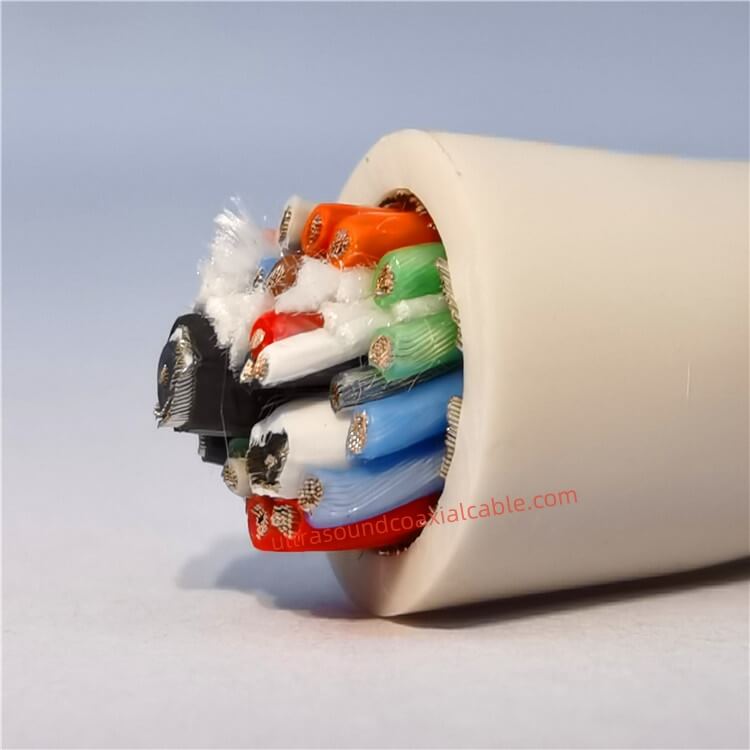
High-Precision 138-Core Medical Ultrasound Coaxial Cables | 0.2mm Ultra-Fine Biocompatible Design for Diagnostic Imaging Product Overview Engineered for advanced medical imaging systems, our 138-Core Medical Ultrasound Probe Coa.

Ultra-Flexible 42AWG Medical-Grade Coaxial Cables for High-Precision Ultrasound Imaging Designed for demanding medical imaging applications, our Ultra-Flexible 42AWG Coaxial Cables deliver exceptional signal integrity, noise reduction,.
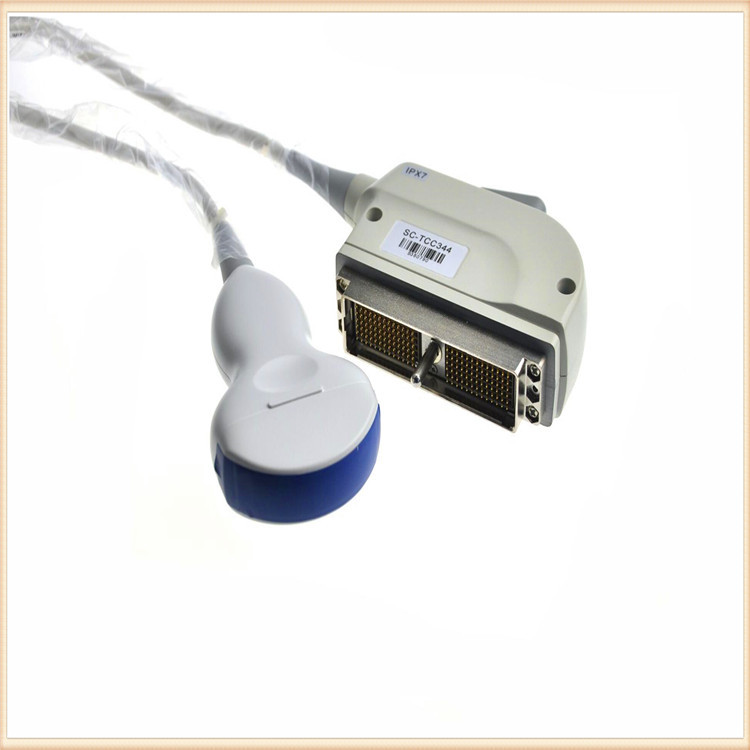
High-Performance Military Ultrasound Coaxial Cables: Built for Extreme Conditions Designed to meet the demanding requirements of military, aerospace, and medical applications, our Military-Grade Ultrasound Coaxial Cables deliver except.
Feel free to reach out to us for any inquiries or orders.