Introduction and Executive Summary In the rapidly evolving world of medical imaging and industrial diagnostics, the choice between high flexibility… - Professional Ultrasound Coaxial Cable Solutions
Learn more about, latest news, frequently asked questions
In the rapidly evolving world of medical imaging and industrial diagnostics, the choice between high flexibility ultrasound coaxial cables and standard coaxial cables represents a critical decision that directly impacts system performance, reliability, and operational efficiency. While both cable types serve the fundamental purpose of signal transmission, their design philosophies, material compositions, and performance characteristics diverge significantly to meet distinct application requirements.
High flexibility ultrasound coaxial cables are engineered specifically for demanding environments where frequent movement, tight bending radii, and superior signal integrity are non-negotiable. These specialized cables feature advanced construction techniques, premium materials, and rigorous quality control processes to ensure consistent performance in medical imaging, industrial non-destructive testing, and military applications. In contrast, standard coaxial cables offer a cost-effective solution for less demanding applications where extreme flexibility and ultra-low signal loss are not primary concerns.
This comprehensive analysis explores the technical specifications, performance metrics, and application scenarios that differentiate these two cable categories, providing decision-makers with the insights needed to select the optimal solution for their specific requirements.
Signal Attenuation and Impedance Matching
High flexibility ultrasound coaxial cables demonstrate superior electrical performance characteristics that are essential for high-frequency signal transmission. These cables typically maintain impedance values of 50Ω or 75Ω with minimal variance (±2Ω) across their operating frequency range, ensuring precise signal transmission without reflections that could degrade image quality. The attenuation characteristics are equally impressive, with premium medical-grade cables achieving as low as 0.15dB/m at 1GHz frequencies.
Standard coaxial cables, while functional for general applications, often exhibit higher attenuation rates and less consistent impedance matching. This performance gap becomes particularly pronounced in high-frequency applications above 100MHz, where signal integrity is critical for diagnostic accuracy in medical imaging systems.
Capacitance and Signal Integrity
The capacitance values of ultrasound coaxial cables are carefully engineered to optimize signal quality. Medical-grade cables typically range between 50pF and 110pF, with lower capacitance designs (50-60pF) preferred for high-frequency applications where signal preservation is paramount. This precision engineering ensures minimal signal distortion and maintains the integrity of diagnostic information throughout the transmission path.
Standard coaxial cables may have higher and less controlled capacitance values, which can introduce phase shifts and signal degradation, particularly in long cable runs or high-frequency applications.
Flexibility and Fatigue Resistance
The most significant differentiator between high flexibility ultrasound coaxial cables and standard alternatives lies in their mechanical performance. Medical-grade cables are designed to withstand extreme flexing cycles—typically exceeding 300,000 flex cycles without performance degradation. This exceptional durability is achieved through advanced materials like fluoropolymer insulation and specialized shielding designs that maintain structural integrity during repeated bending and twisting.
Standard coaxial cables, while flexible to some degree, lack the specialized construction required for high-cycle applications. They may experience premature failure, signal degradation, or shielding breakdown after significantly fewer flex cycles, making them unsuitable for applications involving frequent movement or tight bending radii.
Cable Diameter and Maneuverability
High flexibility ultrasound coaxial cables are available in ultra-fine designs, with diameters as small as 0.2mm for individual conductors in multi-core configurations. This miniaturization enables the development of compact medical devices and minimally invasive procedures while maintaining excellent signal transmission characteristics. Outer diameters typically range from 6.6mm to 7.0mm, offering excellent maneuverability without compromising shielding effectiveness or mechanical strength.
Standard coaxial cables often feature larger diameters and less refined construction, making them less suitable for applications where space constraints or ergonomic considerations are important.
Multi-Layer Shielding Architecture
High flexibility ultrasound coaxial cables incorporate sophisticated multi-layer shielding systems to provide exceptional protection against electromagnetic interference (EMI). Premium designs typically combine spiral shields with tinned copper wire offering 90% coverage and braid shields providing 85% coverage, achieving overall shielding effectiveness exceeding 99.9%. This level of protection is essential for maintaining signal integrity in electromagnetically noisy environments such as hospitals, industrial facilities, and military installations.
Standard coaxial cables may feature single-layer shielding or less sophisticated designs that offer adequate protection for general applications but fall short in environments with significant EMI challenges.
Shielding Materials and Construction
The choice of shielding materials further distinguishes these cable categories. High flexibility ultrasound cables often utilize silver-plated copper conductors and specialized shielding alloys to minimize signal loss and enhance durability. These materials are selected for their excellent electrical conductivity, corrosion resistance, and ability to withstand repeated flexing without degradation.
Standard coaxial cables typically employ more conventional materials that may be cost-effective but lack the performance characteristics required for critical applications.
High flexibility ultrasound coaxial cables must comply with stringent medical device regulations and quality standards. These include ISO 13485 certification for medical device quality management systems, FDA compliance for materials in contact with patients, and biocompatibility testing according to ISO 10993 standards. Additionally, these cables often carry CE marking for European market access and may comply with UL AWM and CSA standards for safety and performance.
Standard coaxial cables may not meet these specialized medical device requirements, limiting their use in healthcare applications where patient safety and regulatory compliance are mandatory.
Leading manufacturers of high flexibility ultrasound coaxial cables typically maintain ISO 9001 certification for quality management systems, ensuring consistent production processes and rigorous quality control. Some manufacturers also hold IATF 16949 certification for automotive quality management, demonstrating their commitment to excellence across multiple industries.
Standard coaxial cable manufacturers may have less comprehensive quality management systems, potentially resulting in greater variability in product performance and reliability.
High flexibility ultrasound coaxial cables are often designed to meet RoHS (Restriction of Hazardous Substances) compliance, ensuring they are free from restricted materials such as lead, mercury, and cadmium. They may also comply with REACH regulations for chemical safety and environmental protection.
While many standard coaxial cables also meet these standards, the level of documentation and traceability may vary between manufacturers.
The global ultrasound coaxial cable market is experiencing robust growth, driven by increasing adoption of medical ultrasound technology, advancements in non-destructive testing, and healthcare infrastructure expansion in emerging economies. The market grew from USD 48.24 billion in 2024 to USD 52.16 billion in 2025, with an expected compound annual growth rate (CAGR) of 8.11%. This trajectory is projected to reach USD 90.05 billion by 2032.
North America currently leads the market, driven by advanced healthcare systems and significant investments in medical technology. The Asia-Pacific region shows particularly strong growth potential, with a projected CAGR of 12.5%, fueled by healthcare infrastructure expansion and increasing demand for diagnostic imaging equipment.
Emerging trends in ultrasound coaxial cable technology include the development of ultra-high frequency (UHF) cables optimized for transmitting signals in the hundreds of megahertz and gigahertz range, enabling higher resolution imaging. Miniaturization continues to be a key focus, with manufacturers developing ultra-thin cables (as small as 0.2mm diameter) for minimally invasive procedures and compact medical devices.
Smart cables with integrated sensors for real-time monitoring of signal integrity, temperature, and strain are gaining traction, enhancing diagnostic accuracy and equipment longevity. Material innovations, such as self-healing nanocomposite insulation and sustainable, recyclable materials, are also shaping the future of cable design.
The ultrasound coaxial cable market features several established players, including Amphenol Corporation, TE Connectivity Ltd., Belden Inc., Huber+Suhner AG, and Rosenberger Hochfrequenztechnik GmbH & Co. KG. These companies compete on factors such as product performance, reliability, customization capabilities, and global supply chain efficiency.
FRS Ultrasonic Solutions has established itself as a leading manufacturer in this space, leveraging over 20 years of manufacturing experience and advanced technological capabilities to deliver high-performance ultrasound coaxial cables for medical imaging, industrial diagnostics, and military applications.
Diagnostic Ultrasound Systems
High flexibility ultrasound coaxial cables are essential components in diagnostic ultrasound systems, transmitting high-frequency signals between ultrasound probes and processing units. These cables directly impact image quality and diagnostic accuracy, making their performance characteristics critical for medical applications. They are used in various ultrasound modalities, including cardiovascular imaging, musculoskeletal examinations, obstetrics and gynecology, and abdominal scanning.
Standard coaxial cables are generally unsuitable for medical imaging applications due to their inferior signal integrity, limited flexibility, and lack of medical-grade certifications.
Endoscopic and Minimally Invasive Procedures
The miniaturization capabilities of high flexibility ultrasound coaxial cables enable their use in endoscopic ultrasound procedures, where space constraints are extreme. These ultra-fine cables (0.2mm diameter) allow for the development of compact medical devices that can navigate through narrow anatomical pathways while maintaining excellent signal transmission characteristics.
Standard coaxial cables cannot achieve the same level of miniaturization without compromising performance, making them unsuitable for these advanced medical applications.
Industrial Diagnostics
High flexibility ultrasound coaxial cables are widely used in industrial non-destructive testing (NDT) applications, where they transmit ultrasonic signals for material inspection, flaw detection, and thickness measurement. These applications demand cables that can withstand harsh industrial environments, including exposure to chemicals, oils, extreme temperatures, and mechanical stress.
Standard coaxial cables may be used in less demanding industrial applications but often lack the durability and performance characteristics required for critical NDT operations.
Aerospace and Defense Applications
Military-grade ultrasound coaxial cables are designed to meet the demanding requirements of aerospace and defense applications, including high-temperature resistance (operating at -65°C to +200°C), compression strength (100daN), and exceptional reliability under harsh environmental conditions. These cables are used in radar systems, communication equipment, and military medical devices.
Standard coaxial cables are not engineered to withstand these extreme conditions and would likely fail in such applications.
High-Frequency Signal Transmission
High flexibility ultrasound coaxial cables are essential for scientific research applications that require precise high-frequency signal transmission, such as spectroscopy, particle physics, and materials science. Their low signal loss and excellent shielding characteristics ensure accurate data acquisition and measurement precision.
Standard coaxial cables may introduce signal degradation and measurement errors in these sensitive applications, making them unsuitable for research-grade instrumentation.
Superior Signal Integrity
The primary advantage of high flexibility ultrasound coaxial cables is their ability to maintain signal integrity in challenging environments. Their low attenuation characteristics, precise impedance matching, and excellent shielding effectiveness ensure that diagnostic information is transmitted accurately without degradation, resulting in clearer images and more reliable diagnostic outcomes.
Exceptional Durability and Longevity
These cables are engineered to withstand the rigors of daily use in medical and industrial settings. Their ability to endure hundreds of thousands of flex cycles without performance degradation translates to reduced maintenance costs, fewer equipment failures, and extended service life. This durability is particularly valuable in applications where cable replacement is difficult or costly.
Enhanced Safety and Reliability
For medical applications, high flexibility ultrasound coaxial cables are designed with patient safety in mind. Their biocompatible materials, medical-grade certifications, and rigorous quality control processes ensure that they meet the highest standards for use in diagnostic and therapeutic equipment. This reliability is essential for maintaining patient trust and regulatory compliance.
Customization and Flexibility
Leading manufacturers like FRS offer extensive customization options, allowing customers to specify impedance values, shielding configurations, connector types (SMA, TNC, MCX), and cable lengths to meet their exact requirements. This flexibility enables system integrators to optimize their designs for specific applications without compromising performance.
While high flexibility ultrasound coaxial cables typically command a higher initial cost compared to standard alternatives, their total cost of ownership often proves more favorable over the product lifecycle. The reduced maintenance requirements, extended service life, and improved system performance can result in significant cost savings, particularly in applications where equipment downtime or diagnostic errors carry substantial financial implications.
Challenge: Signal Degradation in Long Cable Runs
In applications requiring long cable lengths, signal attenuation can become problematic, leading to degraded image quality or measurement accuracy. This challenge is particularly acute in medical imaging systems where signal integrity directly impacts diagnostic outcomes.
Solution: Low-Loss Cable Design
High flexibility ultrasound coaxial cables address this challenge through advanced dielectric materials and conductor designs that minimize signal loss. Premium cables achieve attenuation rates as low as 0.15dB/m at 1GHz, enabling longer cable runs without compromising performance. Additionally, precise impedance matching throughout the cable length ensures minimal signal reflections.
Challenge: Electromagnetic Interference (EMI)
Medical facilities, industrial environments, and military installations often contain multiple sources of electromagnetic interference that can disrupt signal transmission and degrade system performance.
Solution: Multi-Layer Shielding
High flexibility ultrasound coaxial cables incorporate sophisticated multi-layer shielding systems that provide exceptional EMI protection. These designs typically combine spiral shields with tinned copper wire (90% coverage) and braid shields (85% coverage), achieving overall shielding effectiveness exceeding 99.9%. This level of protection ensures reliable signal transmission even in electromagnetically noisy environments.
Challenge: Cable Fatigue and Failure
Frequent bending, twisting, and movement can cause standard coaxial cables to fail prematurely, leading to equipment downtime and maintenance costs. This challenge is particularly significant in medical applications where ultrasound probes undergo constant manipulation during examinations.
Solution: Advanced Materials and Construction
High flexibility ultrasound coaxial cables are engineered with specialized materials and construction techniques that enhance durability. Fluoropolymer insulation, silver-plated copper conductors, and optimized shielding designs work together to withstand 300,000+ flex cycles without performance degradation. This exceptional fatigue resistance extends cable lifespan and reduces maintenance requirements.
Challenge: Space Constraints and Maneuverability
Many applications, particularly in medical and industrial settings, require cables that can navigate tight spaces and provide excellent handling characteristics without compromising performance.
Solution: Miniaturization and Slim Design
High flexibility ultrasound coaxial cables are available in ultra-fine designs with diameters as small as 0.2mm for individual conductors and outer diameters of 6.6mm to 7.0mm. This miniaturization enables the development of compact devices and improves maneuverability while maintaining excellent electrical performance and mechanical strength.
Challenge: Temperature Extremes
Applications in aerospace, military, and certain industrial environments may expose cables to extreme temperatures that can degrade performance or cause failure.
Solution: High-Temperature Resistance
Military-grade ultrasound coaxial cables are designed to operate in temperature ranges from -65°C to +200°C, ensuring reliable performance in the most demanding environments. These cables utilize specialized insulation materials and construction techniques that maintain their electrical and mechanical properties across this wide temperature range.
Challenge: Chemical and Environmental Exposure
Industrial and medical applications may expose cables to chemicals, oils, moisture, and other environmental factors that can degrade materials and compromise performance.
Solution: Protective Jackets and Material Selection
High flexibility ultrasound coaxial cables feature protective outer jackets made from materials like fluoropolymers that resist UV radiation, oils, chemicals, and moisture. These jackets provide an additional layer of protection, extending cable lifespan and ensuring reliable performance in challenging environments.
The decision between high flexibility ultrasound coaxial cables and standard coaxial cables ultimately depends on the specific requirements of your application. For critical applications where signal integrity, durability, and reliability are paramount—such as medical imaging, industrial non-destructive testing, military communications, and scientific research—high flexibility ultrasound coaxial cables offer clear advantages that justify their higher initial cost.
These specialized cables deliver superior electrical performance, exceptional mechanical durability, and rigorous quality standards that ensure consistent performance in demanding environments. Their ability to withstand hundreds of thousands of flex cycles, maintain signal integrity over long distances, and provide excellent EMI protection makes them the preferred choice for applications where failure is not an option.
For less demanding applications where cost is the primary consideration and performance requirements are modest, standard coaxial cables may provide an adequate solution. However, it’s essential to carefully evaluate the total cost of ownership, including potential maintenance costs, equipment downtime, and performance limitations that may arise from using less capable cables.
When selecting a cable solution, consider partnering with experienced manufacturers like FRS that offer comprehensive technical support, customization capabilities, and a proven track record of delivering high-performance products for critical applications. Their expertise in ultrasound coaxial cable technology can help ensure that your system achieves optimal performance and reliability.
Discover our most popular furniture pieces that are loved by customers worldwide.

High-Performance Flexible Coaxial Cable for Medical Imaging & Ultrasound Systems Designed for demanding applications in medical imaging, industrial diagnostics, and high-frequency signal transmission, this ultra-flexible coaxial ca.
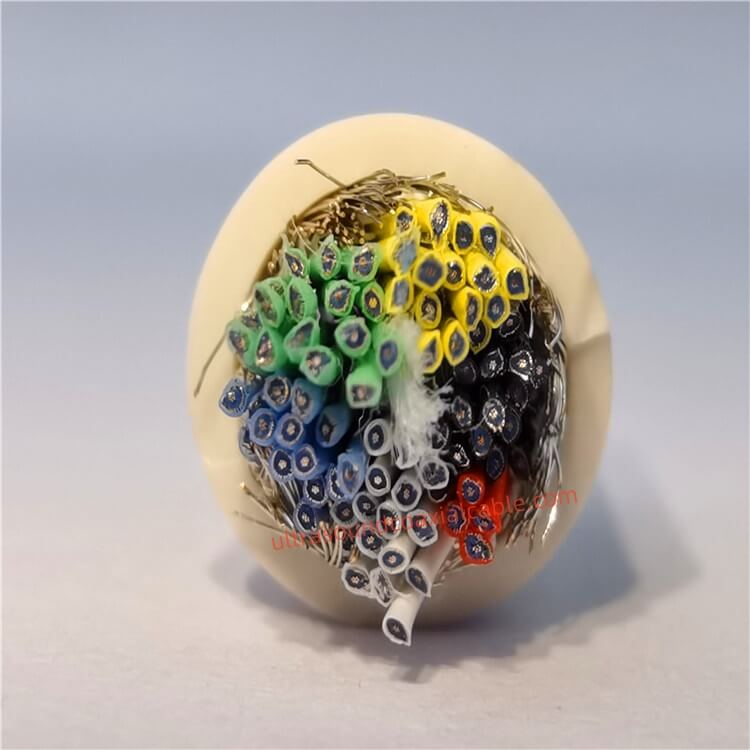
Product OverviewThe Ultrasound Coaxial Cable is a specialized cable engineered to deliver ultra-low signal loss, exceptional shielding, and unmatched durability in critical environments. Designed for medical imaging, industrial testi.
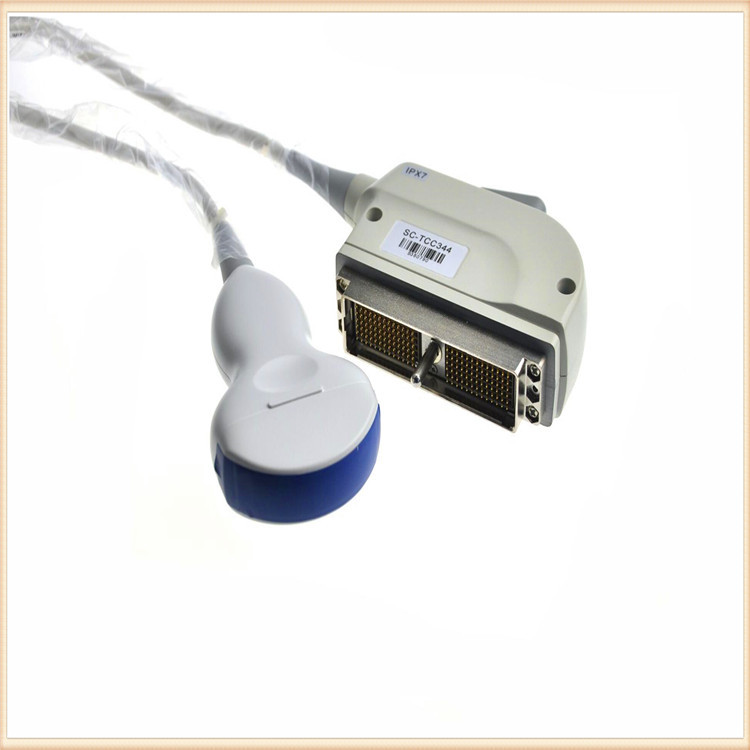
High-Performance Military Ultrasound Coaxial Cables: Built for Extreme Conditions Designed to meet the demanding requirements of military, aerospace, and medical applications, our Military-Grade Ultrasound Coaxial Cables deliver except.

Ultra-Flexible 42AWG Medical-Grade Coaxial Cables for High-Precision Ultrasound Imaging Designed for demanding medical imaging applications, our Ultra-Flexible 42AWG Coaxial Cables deliver exceptional signal integrity, noise reduction,.
Feel free to reach out to us for any inquiries or orders.