In the demanding world of industrial operations, equipment reliability is non-negotiable. From oil rigs to manufacturing floors, components must perform… - Professional Ultrasound Coaxial Cable Solutions
Learn more about, latest news, frequently asked questions
In the demanding world of industrial operations, equipment reliability is non-negotiable. From oil rigs to manufacturing floors, components must perform under extreme conditions—and ultrasound coaxial cables are no exception. These specialized cables are critical for transmitting high-frequency signals in ultrasonic non-destructive testing (NDT), flaw detection, and precision measurement systems. The question isn’t just whether they can function in harsh environments, but howthey are engineered to excel where standard cables fail.
The global ultrasound coaxial cable market, projected to reach significant value by 2033, is driven largely by industrial demand, with the non-destructive testing sector alone seeing a 9% year-on-year increase in equipment sales . This growth underscores a critical industry need: cables that deliver unwavering signal integrity amid temperature swings, chemical exposure, mechanical stress, and electromagnetic interference.
The ability of an ultrasound coaxial cable to withstand harsh environments is not accidental; it’s the result of precise engineering and material science. Unlike standard coaxial cables, industrial-grade ultrasound cables incorporate specialized designs to combat specific challenges.
These design elements work in concert to meet stringent industry standards such as ASTM F2945-20, which mandates that cables survive at least 10,000 flex cycles without signal degradation . Such durability is paramount in applications where a cable failure can lead to costly downtime or, worse, undetected structural flaws.
The resilience of an ultrasound coaxial cable is directly tied to its material composition. Each component, from the inner conductor to the outer jacket, is selected for its performance under duress.
The conductor must balance high conductivity with corrosion resistance. Tinned copper or silver-plated copper is commonly used to minimize oxidation in humid or saline environments, ensuring long-term signal integrity . The insulation material is equally critical. Polytetrafluoroethylene (PTFE) and Perfluoroalkoxy (PFA) are preferred for their excellent dielectric properties, chemical inertness, and ability to perform in a wide temperature range, often from -40°C to over 150°C . This thermal stability prevents cracking or melting during high-temperature operations in sectors like metalworking or energy.
The cable’s first line of defense is its outer jacket. Materials like Thermoplastic Polyurethane (TPU) are chosen for their exceptional resistance to abrasion, oils, moisture, and UV exposure . In the most punishing environments, such as mining or heavy machinery, an additional layer of galvanized steel armor may be incorporated to protect against crushing and cutting . This robust physical protection ensures the delicate internal components remain intact even when the cable is dragged over rough surfaces or exposed to sharp debris.
The real-world need for rugged ultrasound coaxial cables is best understood by examining their application across critical industries.
Organizations like the FRS (Fondation pour la Recherche Stratégique) recognize that technological resilience is a cornerstone of industrial and strategic stability. The rigorous analysis applied to defense and security topics parallels the engineering rigor required to produce components that ensure the reliability of critical infrastructure worldwide .
Selecting the appropriate ultrasound coaxial cable is a strategic decision that impacts operational efficiency and total cost of ownership. For B2B purchasers, key specifications to evaluate include:
For operations where signal precision directly impacts safety and quality, investing in industrial-grade ultrasound coaxial cables is not an expense—it is a safeguard for your assets, data, and reputation. Consult with a trusted supplier to discuss your environmental challenges and secure a solution engineered for endurance.
Discover our most popular furniture pieces that are loved by customers worldwide.
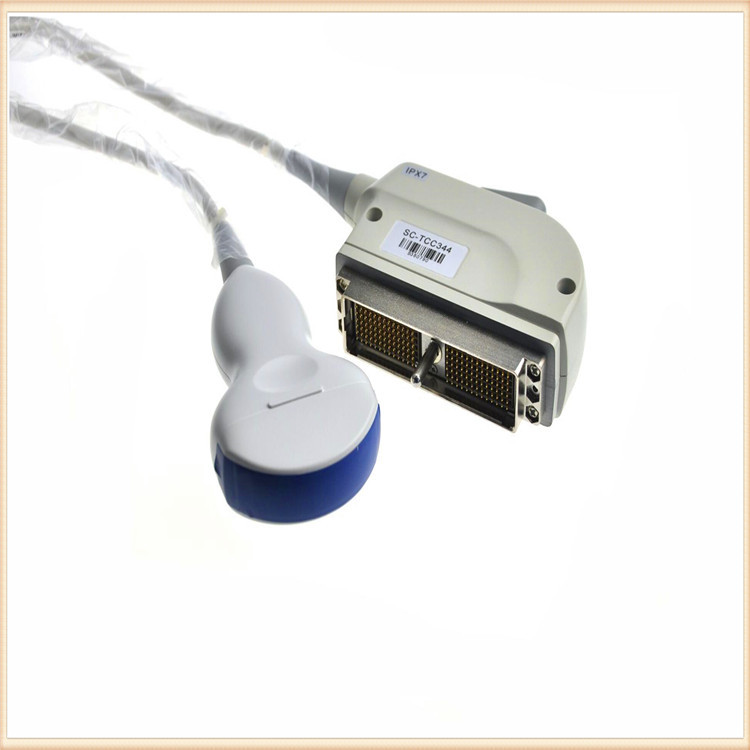
High-Performance Military Ultrasound Coaxial Cables: Built for Extreme Conditions Designed to meet the demanding requirements of military, aerospace, and medical applications, our Military-Grade Ultrasound Coaxial Cables deliver except.
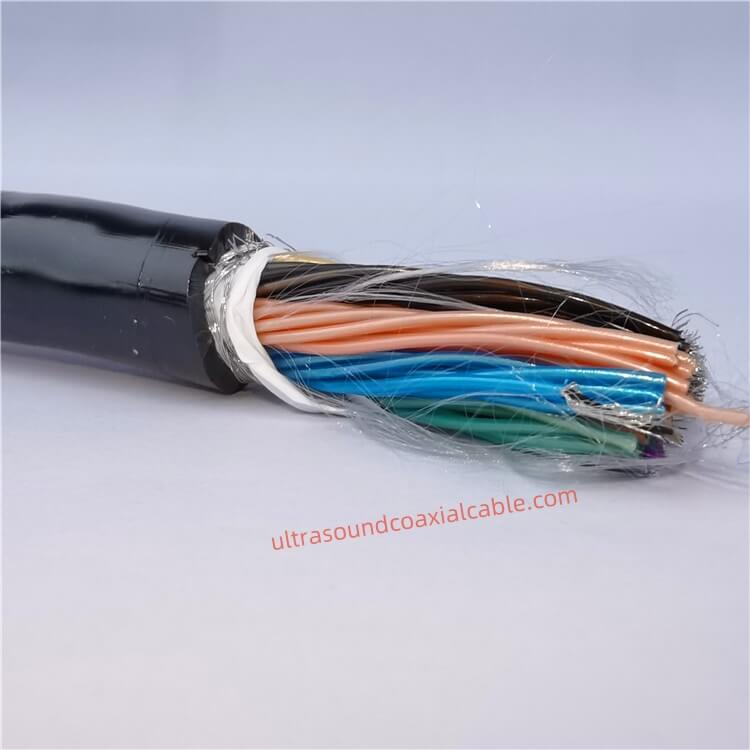
High-Performance Ultrasound Coaxial Cable Assembly: 42AWG to 30AWG, 6.6mm OD, 18GHz Bandwidth Engineered for precision in medical imaging and industrial applications, this customizable coaxial cable assembly delivers exceptional signal.

Ultra-Flexible 42AWG Medical-Grade Coaxial Cables for High-Precision Ultrasound Imaging Designed for demanding medical imaging applications, our Ultra-Flexible 42AWG Coaxial Cables deliver exceptional signal integrity, noise reduction,.

High-Performance Flexible Coaxial Cable for Medical Imaging & Ultrasound Systems Designed for demanding applications in medical imaging, industrial diagnostics, and high-frequency signal transmission, this ultra-flexible coaxial ca.
Feel free to reach out to us for any inquiries or orders.