In the demanding world of medical, industrial, and scientific diagnostics, the integrity of data is paramount. Ultrasound technology, renowned for… - Professional Ultrasound Coaxial Cable Solutions
Learn more about, latest news, frequently asked questions
In the demanding world of medical, industrial, and scientific diagnostics, the integrity of data is paramount. Ultrasound technology, renowned for its non-invasive imaging and testing capabilities, relies heavily on one critical component: the coaxial cable that connects the probe or transducer to the main processing unit. A frequently asked question among engineers and procurement specialists is whether these vital ultrasound coaxial cables can perform reliably in hazardous locations. The resounding answer is yes, but with specific qualifications. Their suitability is not inherent; it is a result of intentional, high-performance engineering that addresses extreme environmental challenges head-on.
This article explores the rigorous standards, robust construction, and advanced materials that enable ultrasound coaxial cables to deliver uncompromised performance where it matters most.
A “hazardous location” extends far beyond the concept of a physically rough environment. For ultrasound coaxial cables, these conditions represent a combination of factors that can degrade performance, compromise safety, and lead to system failure. Key hazardous conditions include:
The ability of an ultrasound coaxial cable to withstand these harsh conditions is a direct function of its design and material composition. Leading manufacturers like FRS leverage advanced engineering to meet these challenges.
The primary defense against electromagnetic interference is sophisticated shielding. While many standard cables use a single braid, cables for hazardous locations often feature a multi-layer approach. For instance, high-performance models incorporate both a spiral shield with over 90% coverage and a braided shield of tinned copper with 85% coverage . This dual-shield design creates a Faraday cage effect, effectively blocking external EMI and preventing signal leakage, which is critical for obtaining high-resolution images in electrically noisy environments like industrial plants or near MRI machines .
The choice of materials is what truly differentiates a rugged cable from a standard one.
Certifications are not just paperwork; they are independent validation of a cable’s safety and performance. Cables destined for hazardous locations must comply with rigorous international standards. For medical devices, this includes IEC 60601-1 for electrical safety and biocompatibility per ISO 10993 . For military and aerospace applications, MIL-specifications (e.g., MIL-C-17) govern performance, ensuring reliability in critical missions . Compliance with RoHS and REACH regulations further ensures that the cables are manufactured without hazardous substances, making them safer for both users and the environment .
The real-world use cases for these rugged cables span multiple high-stakes industries, demonstrating their versatility and reliability.
The global ultrasound coaxial cable market, projected to grow from an estimated 500millionin2025toapproximately850 million by 2033, reflects a rising demand for reliability across sectors . A significant driver is the expansion of portable ultrasound devices in point-of-care medicine and the increased adoption of ultrasonic non-destructive testing in industrial maintenance. This growth underscores a critical market trend: end-users are not just buying cables; they are investing in guaranteed signal integrity, minimized downtime, and operational safety in the most challenging conditions imaginable .
When selecting an ultrasound coaxial cable for a hazardous location, the decision must be driven by technical specifications and proven performance. It requires a partner that understands the application’s physics and environmental challenges. FRS specializes in engineering custom coaxial solutions that meet exacting standards, ensuring that your systems perform with precision and reliability, no matter the environment. The critical factor is to partner with a manufacturer that can demonstrate expertise through material science, adherence to certifications, and a history of solving complex connectivity challenges .
Discover our most popular furniture pieces that are loved by customers worldwide.
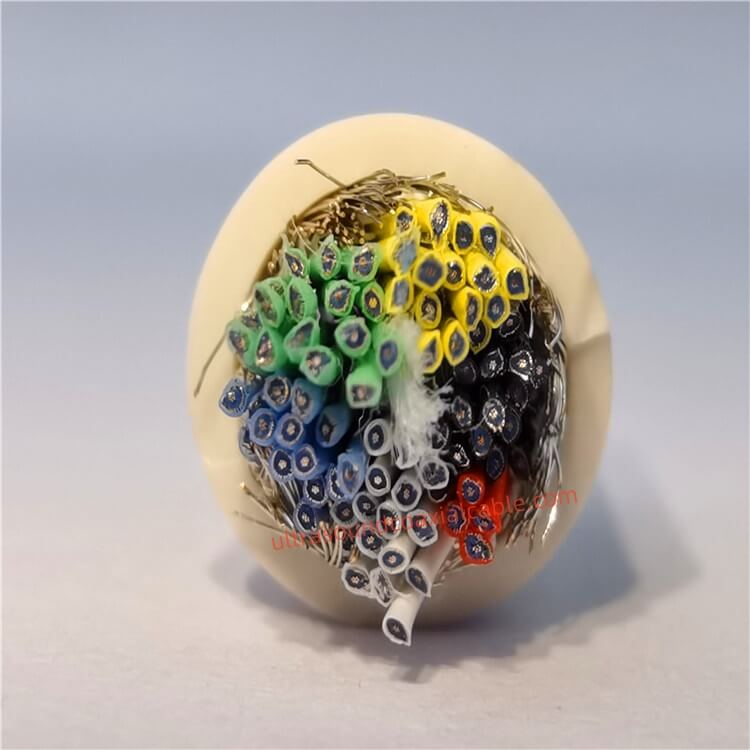
Product OverviewThe Ultrasound Coaxial Cable is a specialized cable engineered to deliver ultra-low signal loss, exceptional shielding, and unmatched durability in critical environments. Designed for medical imaging, industrial testi.
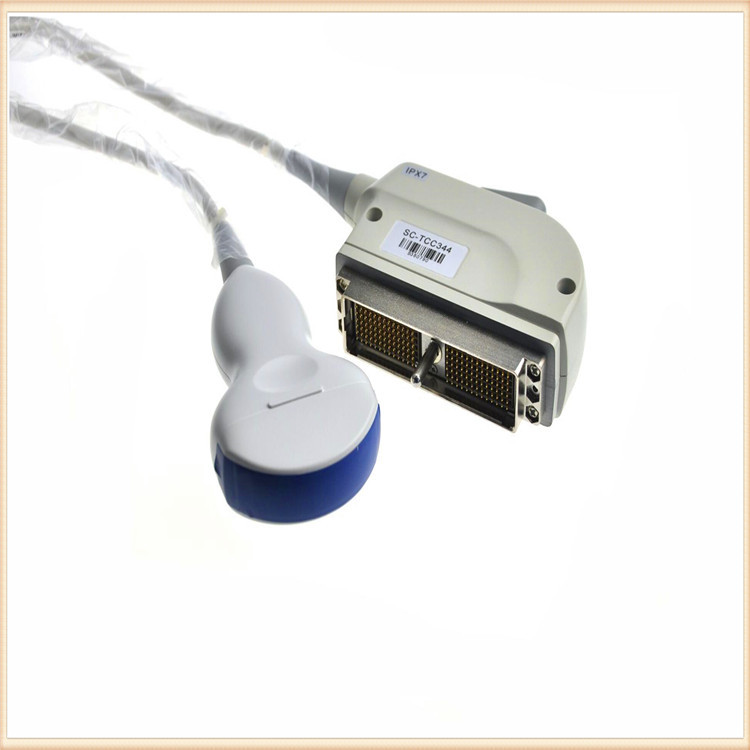
High-Performance Military Ultrasound Coaxial Cables: Built for Extreme Conditions Designed to meet the demanding requirements of military, aerospace, and medical applications, our Military-Grade Ultrasound Coaxial Cables deliver except.
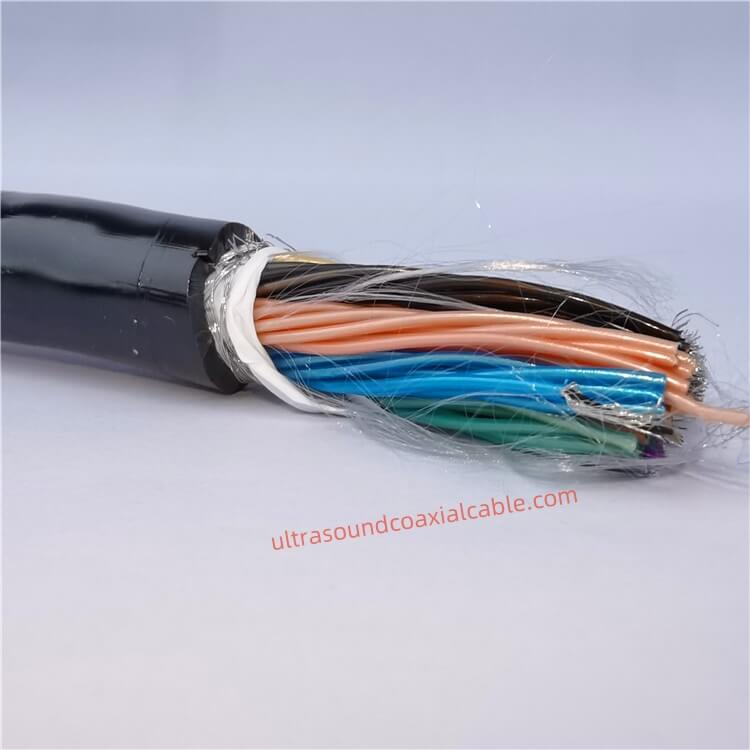
High-Performance Ultrasound Coaxial Cable Assembly: 42AWG to 30AWG, 6.6mm OD, 18GHz Bandwidth Engineered for precision in medical imaging and industrial applications, this customizable coaxial cable assembly delivers exceptional signal.

High-Performance Flexible Coaxial Cable for Medical Imaging & Ultrasound Systems Designed for demanding applications in medical imaging, industrial diagnostics, and high-frequency signal transmission, this ultra-flexible coaxial ca.
Feel free to reach out to us for any inquiries or orders.