Can ultrasound coaxial cables be sterilized? | High-Quality Ultrasound Coaxial Cable | ultrasound coaxial cable Manufacturer & Factory-FRS

Can ultrasound coaxial cables be sterilized?

Ensuring Safety and Performance: A Deep Dive into Sterilizing Medical-Grade Ultrasound Coaxial Cables​ Medical and industrial applications of ultrasound technology… - Professional Ultrasound Coaxial Cable Solutions

Information

Learn more about, latest news, frequently asked questions

Ensuring Safety and Performance: A Deep Dive into Sterilizing Medical-Grade Ultrasound Coaxial Cables

Medical and industrial applications of ultrasound technology demand precision, reliability, and adherence to strict hygiene standards. One critical component in these systems is the ​ultrasound coaxial cable, which transmits high-frequency signals between transducers and imaging devices. A common question among engineers, healthcare professionals, and procurement teams is: Can ultrasound coaxial cables withstand sterilization processes without compromising performance? Let’s explore the science, materials, and best practices behind sterilizing these specialized cables.


Why Sterilization Matters for Ultrasound Coaxial Cables

In medical settings, ultrasound probes and their associated cables often come into direct or indirect contact with patients, bodily fluids, or surgical environments. Sterilization is essential to:

  • Prevent cross-contamination​ between patients.
  • Comply with regulatory standards​ (e.g., FDA, ISO 13485).
  • Maintain equipment longevity​ by eliminating corrosive biological residues.

For industrial applications, such as food processing or pharmaceutical manufacturing, sterilization ensures cables remain free from microbial growth that could disrupt sensitive measurements.


Sterilization Methods Compatible with Ultrasound Coaxial Cables

Not all sterilization techniques are suitable for coaxial cables due to their complex construction. Here’s a breakdown of proven methods:

1. ​Autoclaving (Steam Sterilization)​

Autoclaving uses high-pressure saturated steam at temperatures up to 135°C. While effective for many medical tools, it poses challenges for coaxial cables:

  • Material Resilience: Cables must use ​heat-resistant polymers​ like PTFE (Teflon) or silicone for insulation, which can withstand repeated autoclave cycles.
  • Shield Integrity: The braided or foil shielding must resist oxidation from moisture. Aluminum shields, for example, may degrade over time, whereas tinned copper offers better corrosion resistance.
  • Connector Durability: Stainless steel or gold-plated connectors are preferred to prevent rust or pitting.

Best for: Reusable medical probes in operating rooms or clinics where steam sterilization is routine.

2. ​Ethylene Oxide (EtO) Gas

EtO is a low-temperature sterilization method ideal for heat-sensitive components. It penetrates packaging and cable layers effectively but requires:

  • Aeration Time: Residual gas must dissipate to avoid toxicity, which can delay equipment reuse.
  • Material Compatibility: Silicone jackets and radiation-crosslinked polymers are less prone to EtO-induced degradation.

Best for: Cables integrated into single-use or disposable probe systems.

3. ​Hydrogen Peroxide Plasma (H₂O₂)​

This low-temperature process uses ionized hydrogen peroxide to kill pathogens. Advantages include:

  • No Residues: Unlike EtO, H₂O₂ breaks down into water and oxygen.
  • Compatibility with Thin Insulation: Suitable for micro-coaxial cables used in minimally invasive devices.

Best for: Delicate cables in endoscopes or intravascular ultrasound (IVUS) systems.

4. ​Chemical Disinfectants

For non-critical applications, wiping cables with ​70% isopropyl alcohol (IPA)​​ or ​glutaraldehyde solutions​ is common. However:

  • Material Swelling: Prolonged exposure to alcohol can soften certain plastics, affecting signal integrity.
  • Shield Corrosion: Chlorine-based disinfectants may damage metallic components.

Best for: Surface cleaning of cables in non-sterile environments (e.g., physiotherapy clinics).


Design Features That Enable Sterilization

To ensure cables survive repeated sterilization, manufacturers incorporate:

  • High-Temperature Materials: PTFE insulation, silicone jackets, and nickel-plated connectors maintain flexibility and conductivity under stress.
  • Sealed Connectors: IP67-rated seals prevent moisture ingress during autoclaving.
  • Low-Porosity Shielding: Foil-and-braid combinations minimize microbial harborage points.

Real-World Applications of Sterilizable Coaxial Cables

  1. Surgical Ultrasound: In laparoscopic procedures, sterilized cables connect intra-abdominal probes to imaging consoles, ensuring real-time visualization without infection risks.
  2. Veterinary Diagnostics: Clinics reuse transvaginal probes for livestock exams, relying on autoclave-safe cables.
  3. Pharmaceutical Cleanrooms: Coaxial cables in ultrasonic homogenizers undergo vaporized hydrogen peroxide (VHP) sterilization to meet GMP standards.

Choosing the Right Sterilizable Cable: Key Questions

When sourcing ultrasound coaxial cables, ask suppliers:

  • ​“What’s the maximum autoclave cycle count your cables can endure?”​
  • ​“Are materials validated for EtO or plasma sterilization?”​
  • ​“Can you provide biocompatibility certifications (ISO 10993)?”​

Maintenance Tips for Longevity

  • Inspect Post-Sterilization: Check for cracks, stiffness, or signal loss.
  • Avoid Overlapping Cycles: Unnecessary sterilization accelerates wear.
  • Store Properly: Keep cables coiled loosely in dry, temperature-controlled environments.

The Future of Sterilizable Ultrasound Cables

Innovations like ​nano-coated shields​ (to repel biofilms) and ​smart sensors​ (to monitor degradation in real-time) are on the horizon. As minimally invasive procedures grow, demand for rugged, sterilization-ready cables will only increase.


In a Nutshell
Yes, ultrasound coaxial cables can be sterilized—but success hinges on material science, design precision, and adherence to protocols. Whether you’re battling pathogens in an OR or maintaining sterile production lines, choosing the right cable ensures both safety and performance. After all, in high-stakes environments, reliability isn’t just a feature—it’s a lifeline.

Hot Selling Products

Discover our most popular furniture pieces that are loved by customers worldwide.
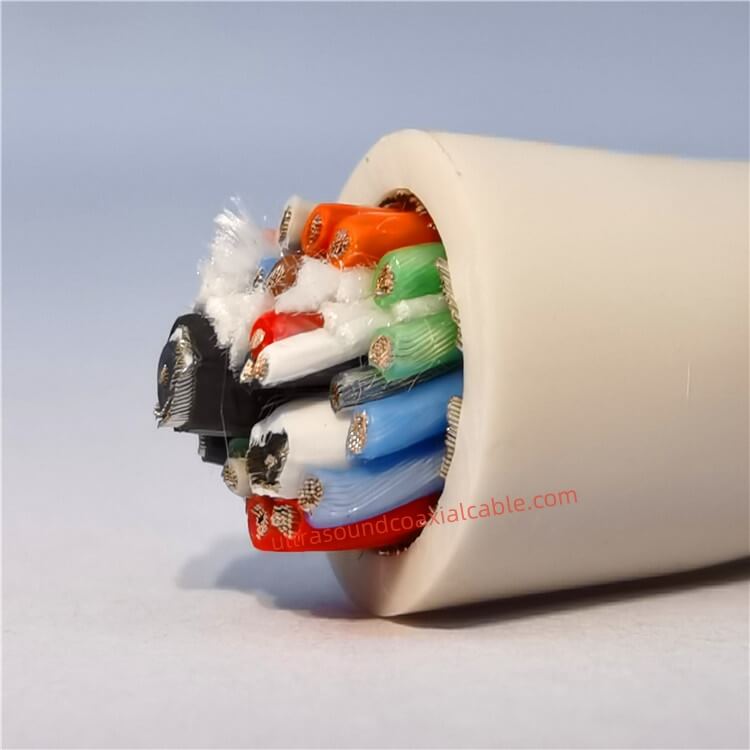
138-Core Medical Ultrasound Probe Coaxial Cable with 0.2mm Diameter – Biocompatible & FDA-Certified

138-Core Medical Ultrasound Probe Coaxial Cable with 0.2mm Diameter – Biocompatible & FDA-Certified

High-Precision 138-Core Medical Ultrasound Coaxial Cables | 0.2mm Ultra-Fine Biocompatible Design for Diagnostic Imaging Product Overview Engineered for advanced medical imaging systems, our 138-Core Medical Ultrasound Probe Coa.
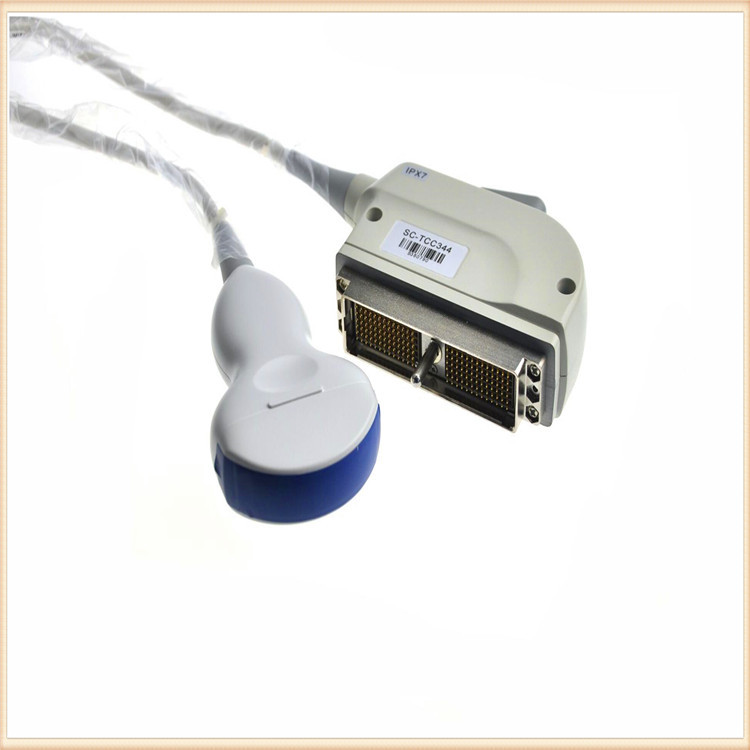
Military-Grade Ultrasound Coaxial Cable – High-Temperature Resistance, 100daN Compression Strength

Military-Grade Ultrasound Coaxial Cable – High-Temperature Resistance, 100daN Compression Strength

High-Performance Military Ultrasound Coaxial Cables: Built for Extreme Conditions Designed to meet the demanding requirements of military, aerospace, and medical applications, our Military-Grade Ultrasound Coaxial Cables deliver except.
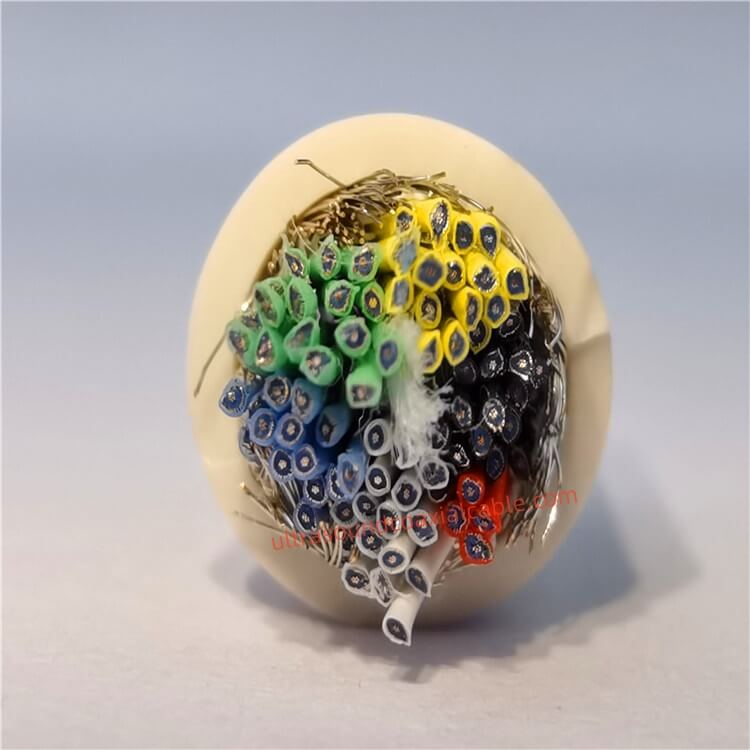
Ultrasound Coaxial Cable|High-Performance Signal Transmission for Precision Applications

Ultrasound Coaxial Cable|High-Performance Signal Transmission for Precision Applications

‌‌Product Overview‌The ‌Ultrasound Coaxial Cable‌ is a specialized cable engineered to deliver ultra-low signal loss, exceptional shielding, and unmatched durability in critical environments. Designed for medical imaging, industrial testi.
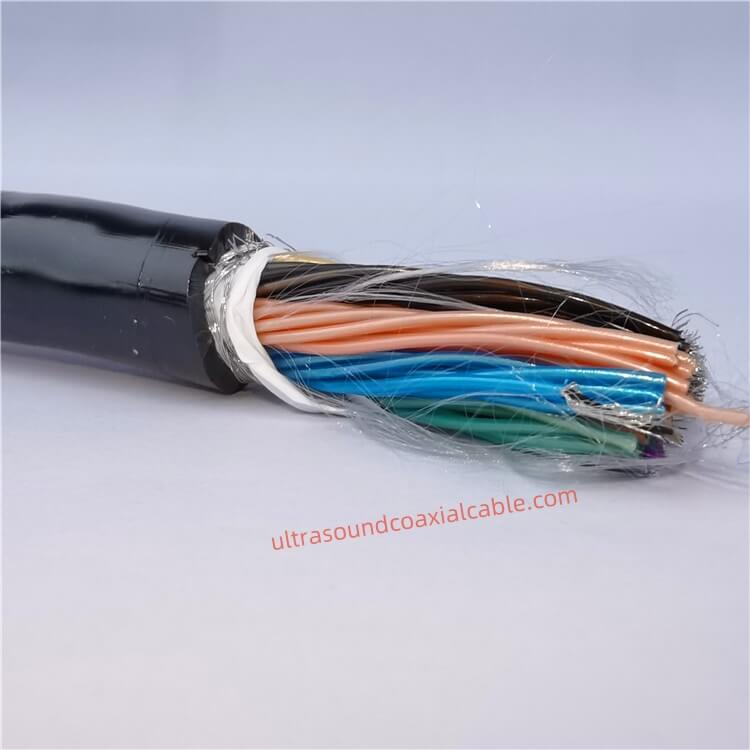
Customizable Ultrasound Coaxial Cable Assembly – 42AWG to 30AWG, 6.6mm OD, 18GHz Bandwidth

Customizable Ultrasound Coaxial Cable Assembly – 42AWG to 30AWG, 6.6mm OD, 18GHz Bandwidth

High-Performance Ultrasound Coaxial Cable Assembly: 42AWG to 30AWG, 6.6mm OD, 18GHz Bandwidth Engineered for precision in medical imaging and industrial applications, this customizable coaxial cable assembly delivers exceptional signal.

Contact Us

Feel free to reach out to us for any inquiries or orders.

Call Us

Have a question? Give us a call!

                   +8618818785005(Whatsapp)

Email Us

Send us an email and we'll get back to you soon.

sales@custom-cable-assemblies.com
       
Home Products Contact