Medical Ultrasound Coaxial Cables: Enabling Multi-Device Integration in Healthcare Introduction Medical ultrasound coaxial cables represent a critical technological bridge in… - Professional Ultrasound Coaxial Cable Solutions
Learn more about, latest news, frequently asked questions
Medical Ultrasound Coaxial Cables: Enabling Multi-Device Integration in Healthcare
Medical ultrasound coaxial cables represent a critical technological bridge in modern healthcare systems, enabling high-fidelity signal transmission between ultrasound equipment and various medical devices. These specialized cables have evolved beyond simple connectivity solutions to become integral components in complex medical setups where interoperability and signal integrity directly impact diagnostic accuracy and patient outcomes. As healthcare increasingly relies on integrated systems, understanding the versatility of ultrasound coaxial cables becomes essential for medical professionals and device manufacturers alike .
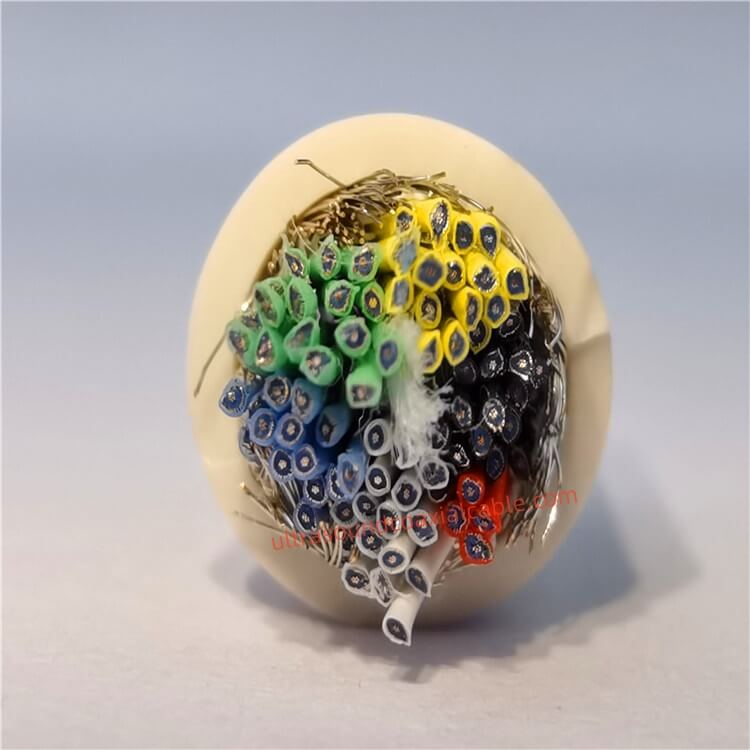
The fundamental strength of medical ultrasound coaxial cables lies in their sophisticated engineering. These cables typically feature micro-coaxial constructions with conductor sizes ranging from 38AWG to 46AWG, providing exceptional flexibility while maintaining signal integrity. The multi-layer shielding—often combining spiral and braid designs—ensures 90% or greater coverage against electromagnetic interference, a critical factor in environments crowded with electronic equipment .
Medical-grade coaxial cables are designed with specific electrical properties that make them compatible across various platforms. With characteristic impedance of 50Ω or 75Ω and capacitance values typically between 50-110pF, these cables can effectively interface with numerous medical devices beyond their primary ultrasound systems. The materials used, including fluoropolymer insulation and medical-grade silicone or PVC jackets, ensure both electrical performance and compliance with stringent healthcare environment requirements .
Ultrasound coaxial cables enable the integration of ultrasound with other imaging modalities, creating powerful diagnostic combinations. In ultrasound-MRI fusion procedures, specialized coaxial cables transmit ultrasound data to MRI systems, allowing radiologists to correlate real-time ultrasound images with pre-acquired MRI scans. Similarly, in ultrasound-CT guided biopsies, these cables maintain signal purity while operating alongside CT scanning equipment, providing physicians with multiple imaging perspectives during precise interventional procedures .
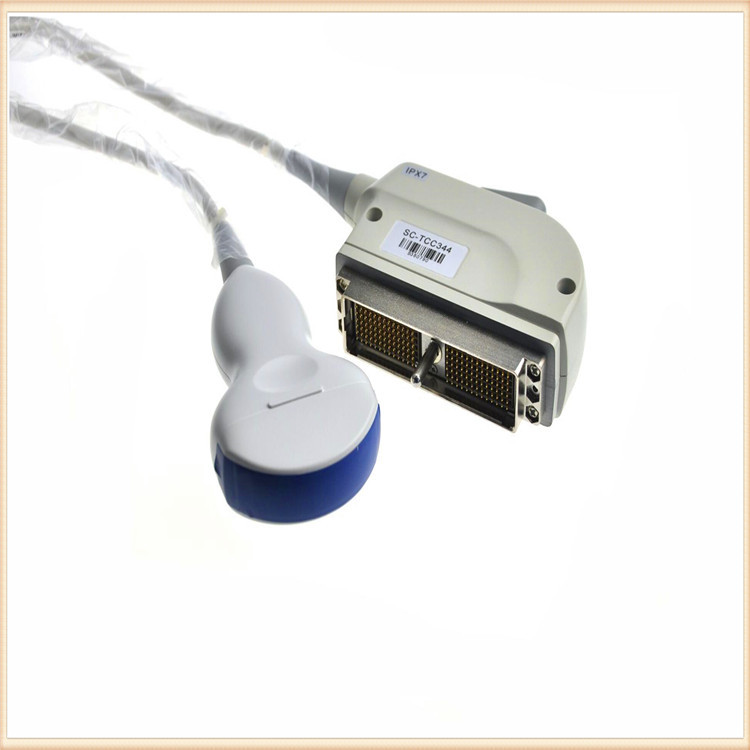
The compatibility of ultrasound coaxial cables with surgical systems has transformed numerous medical procedures. In robot-assisted surgeries, these cables connect ultrasound probes to robotic surgical systems, providing surgeons with real-time tissue imaging during minimally invasive operations. For cardiac interventions, ultrasound cables integrate with electrophysiology mapping systems to guide catheter ablation procedures, while in neurosurgery, they interface with neuromonitoring equipment to protect critical neural structures during complex operations .
Modern patient monitoring systems frequently incorporate ultrasound technology through compatible coaxial cabling. Vital sign monitors with ultrasound capabilities use these cables to provide continuous hemodynamic monitoring, while ventilator systems integrate ultrasound for assessing lung function in critically ill patients. In therapeutic applications, ultrasound cables work in concert with shock wave lithotripters for kidney stone treatment and hyperthermia systems for cancer therapy, where precise temperature monitoring is essential .
The ability of ultrasound coaxial cables to interface with multiple medical devices hinges on adherence to rigorous international standards. ISO 13485 certification represents a baseline requirement for medical cable manufacturers, ensuring consistent quality management systems. Additionally, ISO 10993 biocompatibility standards guarantee that cable materials pose no risk to patients, even during direct contact procedures .
Electrical safety standards such as IEC 60601-1 govern the performance of these cables in medical environments, addressing concerns like electrical isolation and leakage current. For specific regions, certifications like FDA 510(k) clearance in the United States and CE marking under the European Medical Device Regulation demonstrate compliance with local regulatory frameworks .
The growing emphasis on electromagnetic compatibility (EMC) has led to more stringent testing requirements, particularly for cables used in multi-device environments. Modern ultrasound coaxial cables must demonstrate minimal electromagnetic emissions while maintaining immunity to external interference, as specified in standards like IEC 60601-1-2 .
The global market for medical ultrasound coaxial cables is experiencing significant growth, projected to expand at a CAGR of 5.8% from 2023 to 2030. This growth is largely driven by the increasing demand for integrated medical systems that improve diagnostic capabilities and workflow efficiency. Over 60% of global ultrasound coaxial cable production is allocated to medical devices, with an increasing portion dedicated to multi-application scenarios .
Several key trends are fueling the adoption of compatible ultrasound coaxial cables:
Geographically, the Asia-Pacific region leads in growth potential, with China projecting a 12.5% CAGR through 2028, driven by healthcare infrastructure expansion and government initiatives to upgrade medical facilities .
FRS has established itself as a leader in developing medical coaxial cables that excel in multi-device environments. Our cables feature patented shielding technologies that provide up to 95% EMI protection, ensuring clear signal transmission even in electromagnetically crowded medical settings. The advanced fluoropolymer insulation used in FRS cables maintains stable electrical properties across a temperature range of -40°C to 150°C, guaranteeing reliability in various clinical scenarios .
What distinguishes FRS cables is our application-specific design approach. We engineer each cable solution with the complete clinical workflow in mind, considering factors like flexibility requirements (withstanding over 300,000 bend cycles), sterilization compatibility (resistance to autoclave, EtO, and plasma sterilization methods), and connector standardization for seamless equipment integration .
Our customization capabilities allow healthcare facilities to implement cable solutions that bridge their specific device combinations. FRS offers hybrid cable assemblies that combine ultrasound signals with power transmission, data communication, and even video signals, reducing cable clutter and simplifying clinical setups. This integrated approach has made FRS the preferred partner for major medical device OEMs developing next-generation integrated diagnostic systems .
The integration of ultrasound with other medical devices presents several technical challenges that premium coaxial cables effectively address:
In multi-device environments, maintaining ultrasound signal quality becomes increasingly difficult. FRS cables tackle this challenge through impedance stability within ±2Ω across operating frequencies and low capacitance designs (60-110pF) that minimize signal degradation. Our triple-layer shielding methodology—combining foil, braid, and spiral shields—provides unparalleled protection against electromagnetic interference from adjacent equipment .
Medical cables face physical challenges ranging from frequent repositioning to rigorous cleaning protocols. FRS engineers cables to withstand over 10,000 mating cycles and resist damage from repeated sterilization. The use of medical-grade materials with resistance to chemicals, moisture, and abrasion ensures long-term reliability in busy clinical settings .
As medical devices become more compact, the cables connecting them must follow suit. FRS specializes in high-density micro-coaxial cables with conductors as fine as 46AWG, enabling smaller bend radii and reduced weight without sacrificing electrical performance. Our advanced connector designs maintain secure connections in compact form factors, crucial for portable and handheld device combinations .
The evolution of medical ultrasound coaxial cables continues to align with broader healthcare technology trends. Wireless connectivity interfaces are being developed to complement traditional cabled connections, offering flexibility for certain applications while maintaining the reliability of physical cables for critical imaging tasks. Fiber-optic hybrid cables are emerging for ultra-high-resolution applications where traditional copper conductors reach their bandwidth limitations .
The growing emphasis on data security in connected medical systems is driving the development of cables with enhanced shielding against data interception. Similarly, smart cable technologies with embedded sensors are being explored to monitor cable integrity, usage patterns, and performance metrics, enabling predictive maintenance and quality assurance .
As healthcare continues toward greater integration and interoperability, medical ultrasound coaxial cables will remain essential components in creating connected, efficient, and effective medical systems. The ability of these sophisticated cables to bridge different medical technologies directly contributes to improved patient care, more accurate diagnostics, and more efficient clinical workflows .
The future of medical imaging lies not in standalone devices but in integrated systems where ultrasound coaxial cables serve as the vital connections that enable comprehensive patient assessment and treatment. Through continued innovation and adherence to the highest quality standards, these cables will continue to expand their role in multi-device medical environments, supporting healthcare professionals in delivering better outcomes through technology integration .
Discover our most popular furniture pieces that are loved by customers worldwide.
Product OverviewThe Ultrasound Coaxial Cable is a specialized cable engineered to deliver ultra-low signal loss, exceptional shielding, and unmatched durability in critical environments. Designed for medical imaging, industrial testi.
High-Performance Military Ultrasound Coaxial Cables: Built for Extreme Conditions Designed to meet the demanding requirements of military, aerospace, and medical applications, our Military-Grade Ultrasound Coaxial Cables deliver except.

High-Performance Flexible Coaxial Cable for Medical Imaging & Ultrasound Systems Designed for demanding applications in medical imaging, industrial diagnostics, and high-frequency signal transmission, this ultra-flexible coaxial ca.

Ultra-Flexible 42AWG Medical-Grade Coaxial Cables for High-Precision Ultrasound Imaging Designed for demanding medical imaging applications, our Ultra-Flexible 42AWG Coaxial Cables deliver exceptional signal integrity, noise reduction,.
Feel free to reach out to us for any inquiries or orders.