Can I use silicone grease on ultrasound coaxial cable connectors? | High-Quality Ultrasound Coaxial Cable | ultrasound coaxial cable Manufacturer & Factory-FRS

Can I use silicone grease on ultrasound coaxial cable connectors?

How to Protect Ultrasound Coaxial Cable Connectors: The Role of Silicone Grease​ Ultrasound coaxial cables are critical in medical imaging,… - Professional Ultrasound Coaxial Cable Solutions

Information

Learn more about, latest news, frequently asked questions

How to Protect Ultrasound Coaxial Cable Connectors: The Role of Silicone Grease

Ultrasound coaxial cables are critical in medical imaging, industrial testing, and communication systems, where signal integrity and durability are paramount. One common challenge users face is maintaining these connectors over time, especially in harsh environments. Silicone grease has emerged as a popular solution for sealing and protecting electrical connections, but can it be safely used on ultrasound coaxial cable connectors? Let’s dive into the science, best practices, and product recommendations to ensure optimal performance.


Why Silicone Grease? The Benefits for Ultrasound Coaxial Connectors

Silicone grease is a versatile compound designed to repel moisture, resist corrosion, and lubricate metal contacts. For ultrasound coaxial connectors—commonly used in high-frequency applications—this lubricant offers three key advantages:

  1. Weatherproofing​Ultrasound systems often operate in environments with humidity, splashes, or even submersion (e.g., marine or medical imaging). Silicone grease forms a non-conductive, waterproof barrier that seals gaps between connectors, preventing corrosion and signal degradation .
  2. Reducing Signal Loss​Contaminants like dust or oxidation can disrupt high-frequency signals. By filling microscopic gaps in connectors, silicone grease minimizes arcing and ensures stable electrical contact, which is critical for maintaining image clarity in medical ultrasounds .
  3. Longevity of Connectors​Repeated plugging and unplugging can wear down connector contacts. Silicone grease acts as a lubricant, reducing friction and extending the lifespan of both the connector and the cable .

How to Apply Silicone Grease Correctly

Using silicone grease improperly can backfire. Follow these steps for maximum effectiveness:

  1. Clean the Connector First​Remove dirt, grease, or oxidation from the connector using isopropyl alcohol and a lint-free cloth. Contaminants trapped under the grease can worsen corrosion .
  2. Apply a Thin, Even Layer​Use a small brush or your fingertip (wearing a glove) to spread a pea-sized amount of grease on the connector’s threads and contact points. Avoid over-saturating, as excess grease can trap debris .
  3. Focus on Critical Areas​Pay extra attention to:
    • Threaded Couplings: For screws or hex nuts, ensure grease penetrates the threads.
    • Contact Pins: Lubricate the metal pins to prevent oxidation during mating .
  4. Test the Connection​After sealing, gently wiggle the connector to check for stability. A well-greased joint should resist loosening under vibration or thermal cycling .

Recommended Products: Why FRS Stands Out

When selecting silicone grease for ultrasound coaxial connectors, prioritize formulations tailored for high-frequency applications. ​FRS (Flexible Rubber Solutions)​​ offers premium-grade products that meet these demands:

  • FRS-890 High-Temp Silicone Grease​Designed for extreme temperatures (-60°C to 200°C), this grease resists hardening and maintains flexibility, ideal for industrial ultrasound equipment exposed to fluctuating conditions .
  • FRS-55 Marine-Grade Grease​With added UV and saltwater resistance, it’s perfect for coastal medical facilities or outdoor diagnostic tools. Its non-corrosive formula ensures compatibility with aluminum and stainless steel connectors .

Both products are UL-certified and RoHS-compliant, making them safe for sensitive medical and industrial applications.


Common Mistakes to Avoid

Even with the right grease, improper handling can compromise results:

  • Overheating: Avoid using silicone grease near open flames or high-heat sources, as it may degrade.
  • Mixing with Conductive Lubricants: Some greases contain metals like copper, which can short-circuit connectors. Stick to pure silicone formulations .
  • Ignoring Compatibility: Test grease on a small area first if using it on gold-plated contacts, as certain formulations may leave residues .

Maintenance Tips for Long-Term Performance

  • Reapply Annually: Silicone grease degrades over time. Schedule annual inspections and reapplication for critical systems.
  • Monitor for Swelling: If the grease becomes brittle or cracks, replace it immediately to avoid moisture ingress .
  • Pair with Protective Casings: For outdoor installations, use silicone shrink tubing (e.g., FRS’s cold-shrink tubes) for added insulation .

Conclusion

Silicone grease is a game-changer for protecting ultrasound coaxial connectors, offering waterproofing, corrosion resistance, and extended durability. By choosing high-quality products like those from ​FRS​ and following proper application techniques, you can ensure reliable performance in even the toughest environments. Whether you’re maintaining medical imaging systems or industrial testing equipment, investing in the right grease and maintenance routine will save time, reduce downtime, and safeguard your infrastructure.

For more details on FRS’s silicone solutions, visit their official product page or consult their technical support team.

Hot Selling Products

Discover our most popular furniture pieces that are loved by customers worldwide.

Ultra-Flexible Coaxial Cable for Ultrasound Transducers – 44AWG, 0.15dB/m Attenuation at 1GHz

Ultra-Flexible Coaxial Cable for Ultrasound Transducers – 44AWG, 0.15dB/m Attenuation at 1GHz

High-Performance Flexible Coaxial Cable for Medical Imaging & Ultrasound Systems Designed for demanding applications in medical imaging, industrial diagnostics, and high-frequency signal transmission, this ultra-flexible coaxial ca.

High-Precision Ultrasound Coaxial Cable for Medical Imaging – Low Noise, Flexible Design, 42AWG

High-Precision Ultrasound Coaxial Cable for Medical Imaging – Low Noise, Flexible Design, 42AWG

Ultra-Flexible 42AWG Medical-Grade Coaxial Cables for High-Precision Ultrasound Imaging Designed for demanding medical imaging applications, our Ultra-Flexible 42AWG Coaxial Cables deliver exceptional signal integrity, noise reduction,.
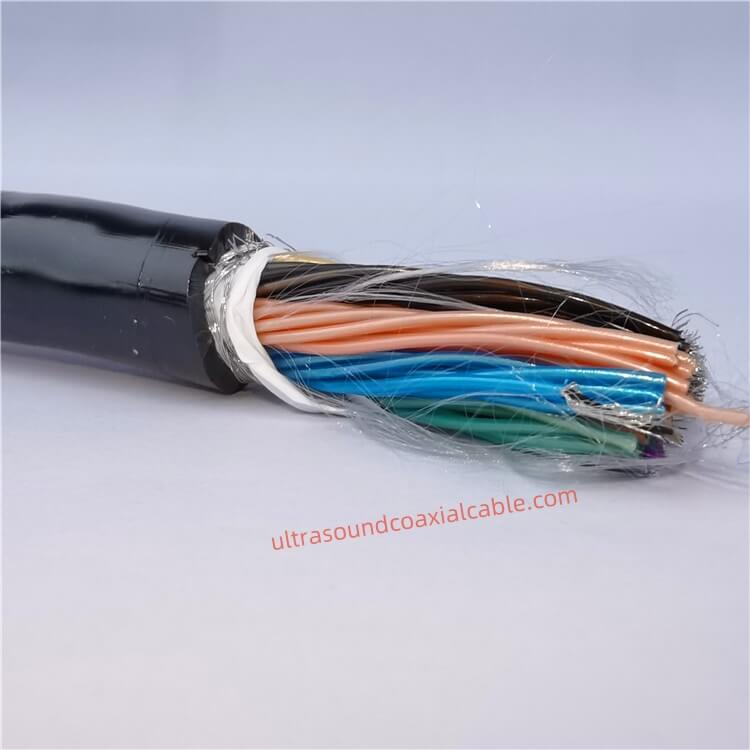
Customizable Ultrasound Coaxial Cable Assembly – 42AWG to 30AWG, 6.6mm OD, 18GHz Bandwidth

Customizable Ultrasound Coaxial Cable Assembly – 42AWG to 30AWG, 6.6mm OD, 18GHz Bandwidth

High-Performance Ultrasound Coaxial Cable Assembly: 42AWG to 30AWG, 6.6mm OD, 18GHz Bandwidth Engineered for precision in medical imaging and industrial applications, this customizable coaxial cable assembly delivers exceptional signal.
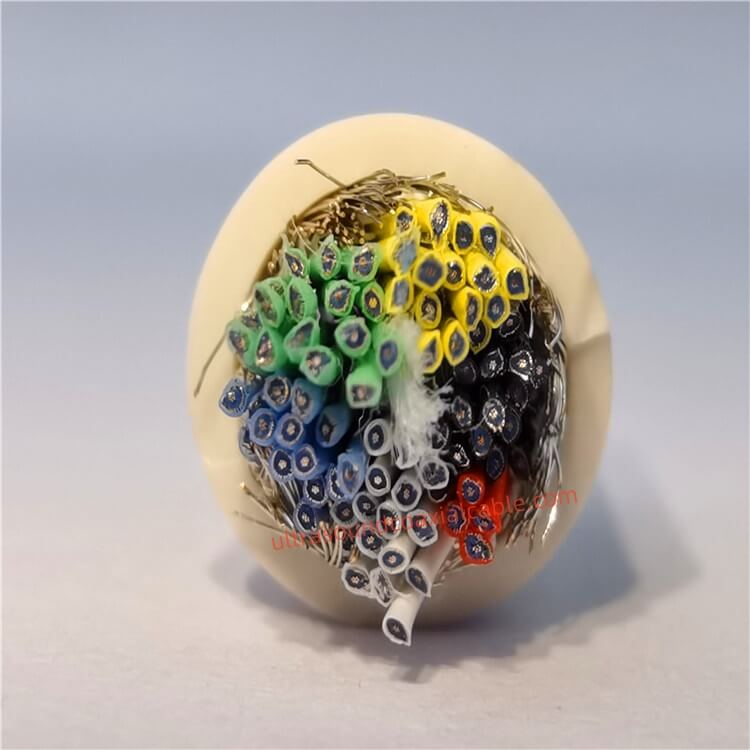
Ultrasound Coaxial Cable|High-Performance Signal Transmission for Precision Applications

Ultrasound Coaxial Cable|High-Performance Signal Transmission for Precision Applications

‌‌Product Overview‌The ‌Ultrasound Coaxial Cable‌ is a specialized cable engineered to deliver ultra-low signal loss, exceptional shielding, and unmatched durability in critical environments. Designed for medical imaging, industrial testi.

Contact Us

Feel free to reach out to us for any inquiries or orders.

Call Us

Have a question? Give us a call!

                   +8618818785005(Whatsapp)

Email Us

Send us an email and we'll get back to you soon.

sales@custom-cable-assemblies.com
       
Home Products Contact