Can I splice an ultrasound coaxial cable if needed? | High-Quality Ultrasound Coaxial Cable | ultrasound coaxial cable Manufacturer & Factory-FRS

Can I splice an ultrasound coaxial cable if needed?

When Ultrasound Coaxial Cables Need Repairs: A Comprehensive Guide to Safe and Effective Splicing​ Ultrasound coaxial cables are critical components… - Professional Ultrasound Coaxial Cable Solutions

Information

Learn more about, latest news, frequently asked questions

When Ultrasound Coaxial Cables Need Repairs: A Comprehensive Guide to Safe and Effective Splicing

Ultrasound coaxial cables are critical components in medical imaging, industrial testing, and telecommunications. Whether you’re repairing a damaged cable in a hospital’s diagnostic equipment or maintaining high-frequency data lines in aerospace systems, knowing how to splice these cables properly can save time, reduce costs, and ensure reliable performance. This guide explores the essentials of splicing ultrasound coaxial cables, including tools, techniques, and industry best practices.


Why Splicing Ultrasound Coaxial Cables Matters

Ultrasound coaxial cables transmit high-frequency signals with precision, making them indispensable in applications like echocardiography, industrial non-destructive testing, and satellite communications. Over time, cables may fray, kink, or disconnect due to wear and tear, accidental damage, or environmental stressors. Splicing allows you to repair or extend these cables without replacing entire systems, minimizing downtime and preserving signal integrity.

However, ultrasound coaxial cables differ from standard RF or TV coaxials. Their construction often includes specialized shielding, dielectric materials, and connectors tailored for high-frequency stability. Improper splicing can introduce signal loss, interference, or even complete failure.


Key Tools and Materials for Splicing Ultrasound Coaxial Cables

To achieve a professional-grade splice, you’ll need:

  1. High-Precision Strippers: Tools like the Coax Stripmaster® (mentioned in ) ensure clean cuts without damaging the center conductor or shielding.
  2. Compression Tools: For secure, vibration-resistant connections, use crimping tools compatible with ultrasound-grade connectors (e.g., F-type or BNC).
  3. Heat-Shrink Tubing: Adds insulation and strain relief, crucial for medical or outdoor applications.
  4. Signal Testers: Verify continuity and signal quality post-splice.
  5. FRS Ultrasonic Splicing Kits​ (Recommended): Designed for precision in high-frequency environments, these kits include tools optimized for ultrasound coaxials.

Step-by-Step Splicing Process

1. Assess the Damage

Inspect the cable for breaks, fraying, or corrosion. For ultrasound applications, even minor damage can degrade signal clarity. Focus on the center conductor, dielectric layer, and shielding—common failure points in high-stress environments.

2. Prepare the Cables

  • Strip the Outer Jacket: Use a coaxial stripper to remove ½ inch of the outer layer, exposing the braided shield. Avoid scoring too deeply to prevent conductor damage .
  • Expose the Center Conductor: Trim the shield and dielectric to reveal ¼ inch of the inner conductor. Ensure a clean, burr-free edge.

3. Align and Connect

  • Twist Shields Together: For temporary fixes, twist the braided shields of both cables. For permanent repairs, use a compression connector or solder (ideal for high-frequency stability).
  • Secure Connectors: Apply F-type connectors using a torque wrench to avoid overtightening, which can warp the dielectric.

4. Insulate and Test

  • Encapsulate with Heat-Shrink: Slide tubing over the splice and shrink it uniformly using a heat gun. This prevents moisture ingress and mechanical stress.
  • Signal Verification: Use a spectrum analyzer or multimeter to check for impedance mismatches or noise.

Common Mistakes to Avoid

  • Using Non-Specialized Tools: Standard wire cutters or scissors can crush the center conductor, ruining signal integrity .
  • Overlooking Shield Alignment: Misaligned shields introduce interference, critical in ultrasound imaging where clarity is paramount.
  • Skipping Stress Relief: Without proper strain relief, repeated bending can re-break the splice.

Why Choose FRS for Ultrasound Coaxial Solutions?​

FRS (Frequency Response Systems) is a leader in high-frequency cable technology, offering:

  • Medical-Grade Materials: UL-certified cables resistant to sterilization processes (autoclaving, chemical agents).
  • Low-Loss Dielectrics: Foam polyethylene cores minimize signal attenuation, essential for 10+ GHz applications.
  • Custom Splicing Kits: Pre-terminated cables and proprietary connectors streamline repairs in tight spaces.

For industries requiring traceable quality, FRS cables meet ISO 13485 standards for medical devices and MIL-STD-810 for military-grade durability.


Final Tips for Longevity

  • Regular Maintenance: Inspect cables in harsh environments (moisture, UV exposure) every 6–12 months.
  • Proper Storage: Coil cables loosely to avoid kinking. Use silica gel packs in humid climates.
  • Training: Invest in technician training for complex splicing tasks, especially in life-critical fields like healthcare.

Conclusion
Splicing ultrasound coaxial cables is feasible with the right tools and techniques, but precision is non-negotiable. Whether repairing a medical imaging system or reinforcing industrial test rigs, prioritizing quality materials and methods ensures long-term reliability. For unmatched performance, trust FRS—your partner in high-frequency connectivity solutions.

Need expert guidance? Explore FRS’s line of ultrasound coaxial cables and splicing accessories today. 🔧📡

Hot Selling Products

Discover our most popular furniture pieces that are loved by customers worldwide.
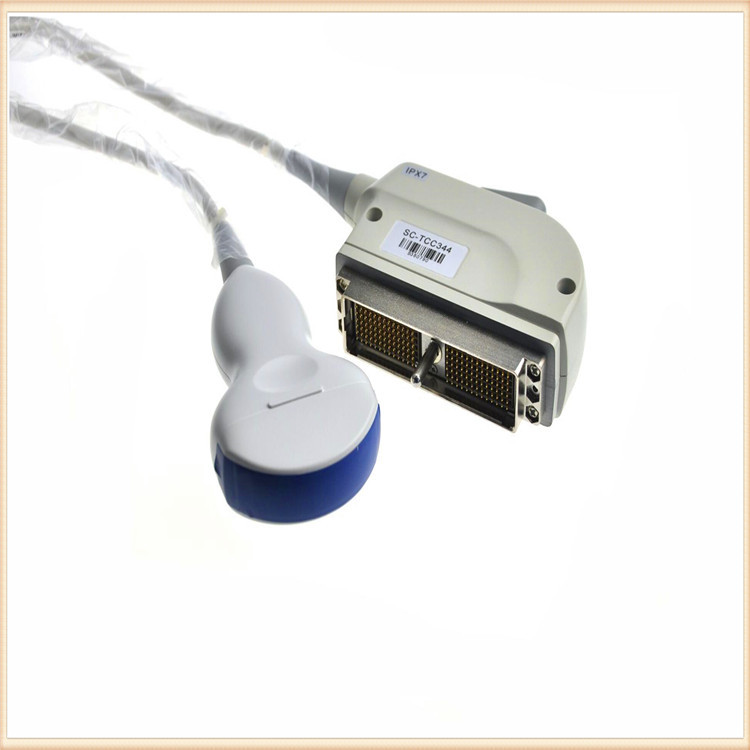
Military-Grade Ultrasound Coaxial Cable – High-Temperature Resistance, 100daN Compression Strength

Military-Grade Ultrasound Coaxial Cable – High-Temperature Resistance, 100daN Compression Strength

High-Performance Military Ultrasound Coaxial Cables: Built for Extreme Conditions Designed to meet the demanding requirements of military, aerospace, and medical applications, our Military-Grade Ultrasound Coaxial Cables deliver except.
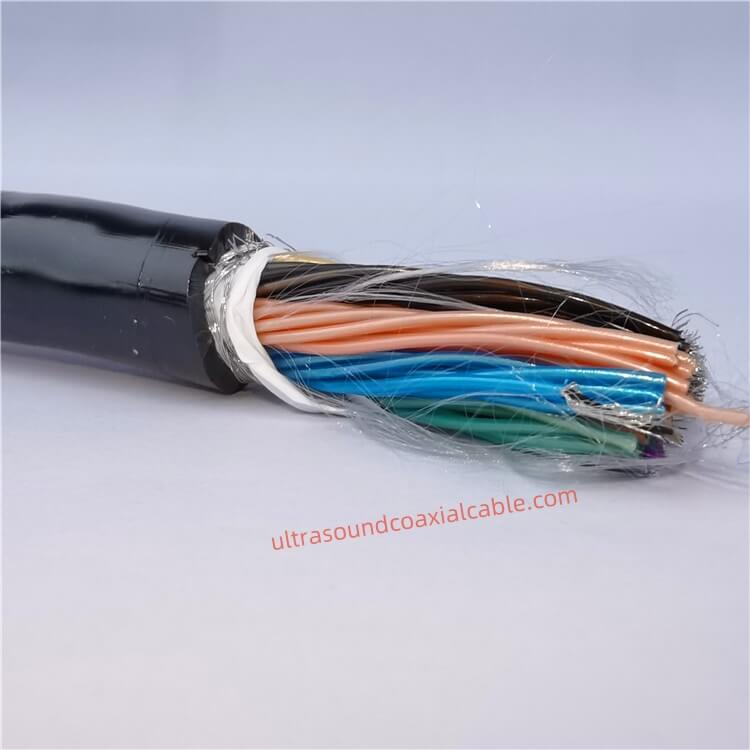
Customizable Ultrasound Coaxial Cable Assembly – 42AWG to 30AWG, 6.6mm OD, 18GHz Bandwidth

Customizable Ultrasound Coaxial Cable Assembly – 42AWG to 30AWG, 6.6mm OD, 18GHz Bandwidth

High-Performance Ultrasound Coaxial Cable Assembly: 42AWG to 30AWG, 6.6mm OD, 18GHz Bandwidth Engineered for precision in medical imaging and industrial applications, this customizable coaxial cable assembly delivers exceptional signal.
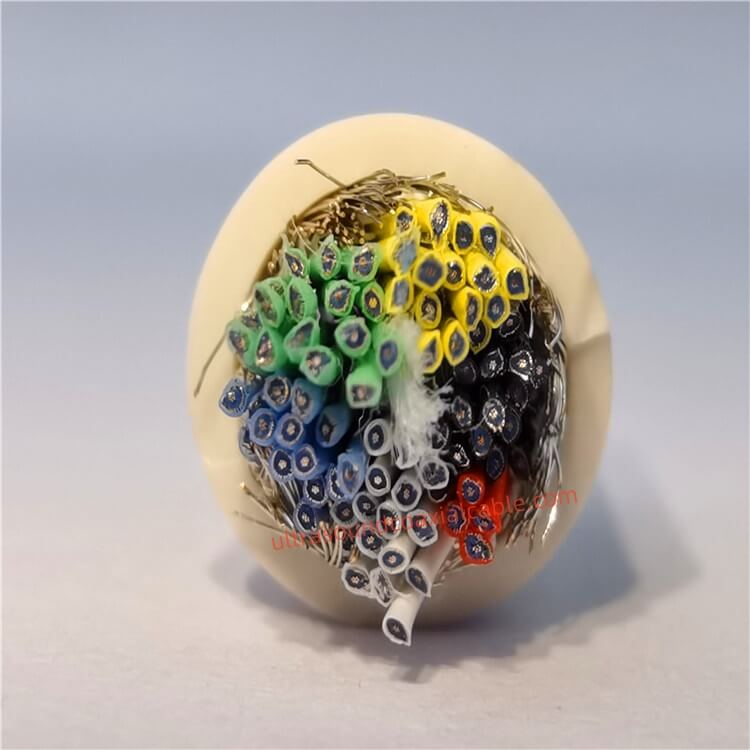
Ultrasound Coaxial Cable|High-Performance Signal Transmission for Precision Applications

Ultrasound Coaxial Cable|High-Performance Signal Transmission for Precision Applications

‌‌Product Overview‌The ‌Ultrasound Coaxial Cable‌ is a specialized cable engineered to deliver ultra-low signal loss, exceptional shielding, and unmatched durability in critical environments. Designed for medical imaging, industrial testi.
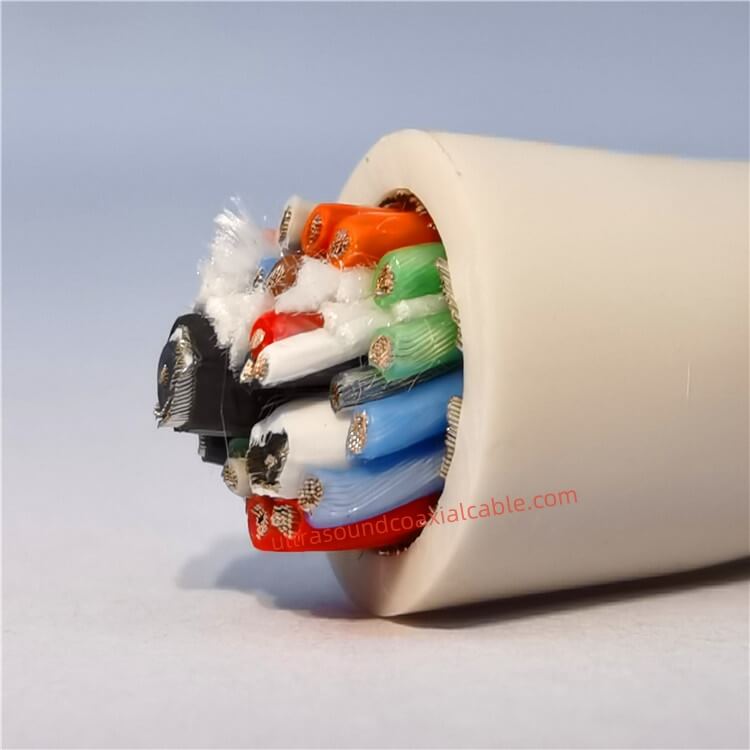
138-Core Medical Ultrasound Probe Coaxial Cable with 0.2mm Diameter – Biocompatible & FDA-Certified

138-Core Medical Ultrasound Probe Coaxial Cable with 0.2mm Diameter – Biocompatible & FDA-Certified

High-Precision 138-Core Medical Ultrasound Coaxial Cables | 0.2mm Ultra-Fine Biocompatible Design for Diagnostic Imaging Product Overview Engineered for advanced medical imaging systems, our 138-Core Medical Ultrasound Probe Coa.

Contact Us

Feel free to reach out to us for any inquiries or orders.

Call Us

Have a question? Give us a call!

                   +8618818785005(Whatsapp)

Email Us

Send us an email and we'll get back to you soon.

sales@custom-cable-assemblies.com
       
Home Products Contact