What Makes Ultrasound Coaxial Cables Essential for Modern Material Inspection? In industries where precision and reliability are non-negotiable—like aerospace, automotive,… - Professional Ultrasound Coaxial Cable Solutions
Learn more about, latest news, frequently asked questions
What Makes Ultrasound Coaxial Cables Essential for Modern Material Inspection?
In industries where precision and reliability are non-negotiable—like aerospace, automotive, and manufacturing—ultrasound coaxial cables play a silent but critical role. These specialized cables are the backbone of ultrasonic testing (UT), enabling engineers to detect hidden flaws in materials with unparalleled accuracy. But what exactly do they bring to the table, and why are they indispensable for material inspection? Let’s dive into the technical backbone of modern NDT (Non-Destructive Testing) and explore how premium-grade ultrasound coaxial cables, like those from FRS, elevate inspection standards.
Ultrasound coaxial cables are engineered to transmit high-frequency sound waves (typically 0.5–20 MHz) with minimal loss, ensuring that ultrasonic signals reach deep into materials and return with crystal-clear data. Unlike standard cables, these specialized designs combine:
For example, FRS’s 42AWG coaxial cables use a dual-shield design to eliminate noise pickup, even in high-vibration industrial settings. This ensures that even subtle defects—like micro-cracks in turbine blades—are detected reliably.
Ultrasound coaxial cables are the unsung heroes behind critical NDT workflows. Here’s where they shine:
Modern aircraft rely heavily on carbon fiber-reinforced polymers (CFRP) and other composites. Ultrasound coaxial cables power phased array (PAUT) systems to map internal structures, identifying delamination or voids invisible to X-rays . FRS cables, with their <1 dB/m attenuation, ensure high-resolution imaging even in thick composite sections.
From crash-test dummies to engine blocks, ultrasonic testing validates material integrity. Coaxial cables enable rapid scanning of welds and castings, detecting cracks that could compromise safety. For instance, FRS’s flexible 38AWG cables fit into tight spaces, making them ideal for inspecting automotive transmission housings.
Corrosion in oil pipelines or structural weaknesses in bridges can lead to catastrophic failures. Ultrasound coaxial cables facilitate long-range inspections, transmitting signals through thick steel or concrete. FRS’s oil-resistant cables thrive in harsh environments, providing consistent performance in humidity or chemical exposure.
While primarily associated with materials, ultrasound coaxial cables also support medical imaging and industrial automation. FRS’s biocompatible cables meet ISO 10993 standards, bridging the gap between healthcare and heavy industry.
With brands like Smiths Interconnect and Apex NDT offering alternatives, FRS has carved a niche through innovation and reliability. Here’s what sets their ultrasound coaxial cables apart:
FRS cables use silver-plated copper conductors to boost signal conductivity, reducing attenuation by 30% compared to standard copper cables. This is crucial for high-frequency applications like micro-ultrasound in pharmaceutical tablet testing.
From 24AWG industrial probes to 44AWG medical-grade cables, FRS tailors designs to meet specific frequency and durability needs. Their modular connectors (e.g., SMA, BNC) ensure compatibility with phased array systems and automated inspection robots.
FRS cables undergo rigorous testing for flex life (10+ million cycles) and vibration resistance. In automotive assembly lines, where probes move rapidly across surfaces, this durability minimizes downtime and repair costs.
All FRS cables adhere to ISO 9001 and IEC 60601 standards, ensuring they meet stringent safety requirements for both industrial and medical applications.
As industries adopt AI-driven NDT systems and IoT-enabled sensors, ultrasound coaxial cables must evolve. FRS is leading this charge with:
Ultrasound coaxial cables are more than just wires—they’re the lifeline of modern material inspection. Whether you’re safeguarding aircraft components or ensuring pipeline integrity, FRS delivers the precision, durability, and innovation needed to keep industries ahead of the curve.
Ready to transform your NDT workflow? Explore FRS’s ultrasound coaxial cable solutions today and experience unmatched performance in material inspection.
Discover our most popular furniture pieces that are loved by customers worldwide.

High-Performance Flexible Coaxial Cable for Medical Imaging & Ultrasound Systems Designed for demanding applications in medical imaging, industrial diagnostics, and high-frequency signal transmission, this ultra-flexible coaxial ca.

Ultra-Flexible 42AWG Medical-Grade Coaxial Cables for High-Precision Ultrasound Imaging Designed for demanding medical imaging applications, our Ultra-Flexible 42AWG Coaxial Cables deliver exceptional signal integrity, noise reduction,.
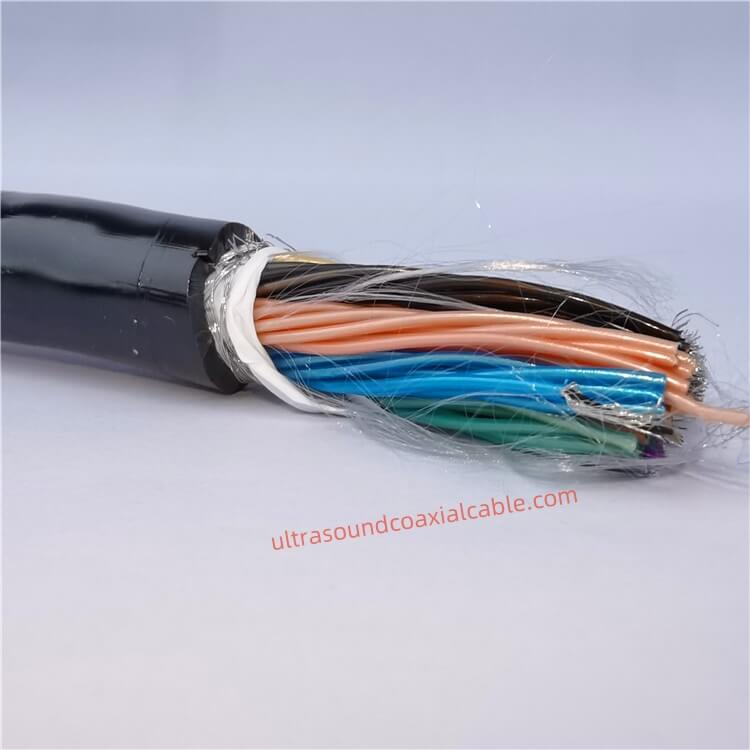
High-Performance Ultrasound Coaxial Cable Assembly: 42AWG to 30AWG, 6.6mm OD, 18GHz Bandwidth Engineered for precision in medical imaging and industrial applications, this customizable coaxial cable assembly delivers exceptional signal.
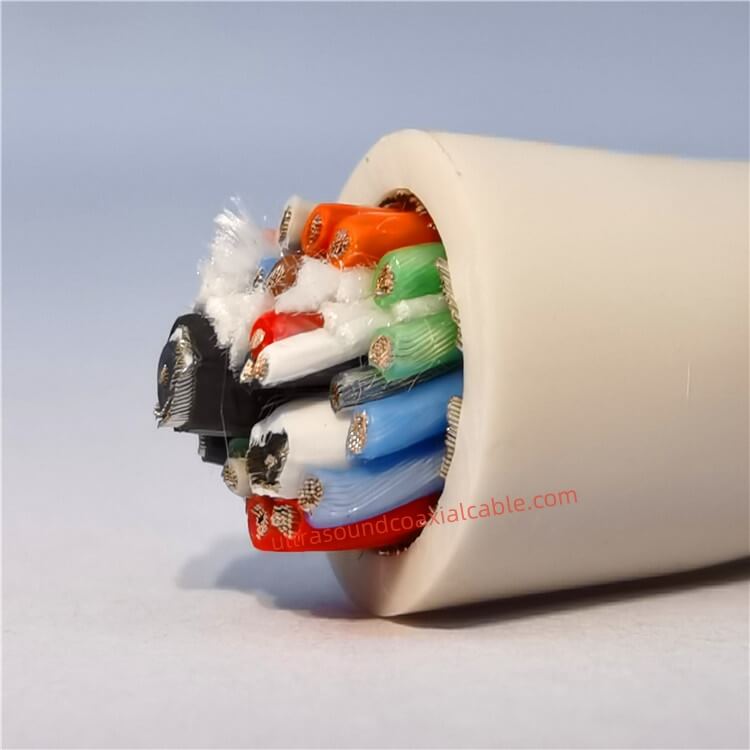
High-Precision 138-Core Medical Ultrasound Coaxial Cables | 0.2mm Ultra-Fine Biocompatible Design for Diagnostic Imaging Product Overview Engineered for advanced medical imaging systems, our 138-Core Medical Ultrasound Probe Coa.
Feel free to reach out to us for any inquiries or orders.