Underwater Applications of Ultrasound Coaxial Cables: Key Considerations and Innovations Ultrasound coaxial cables have become indispensable in modern technology, enabling… - Professional Ultrasound Coaxial Cable Solutions
Learn more about, latest news, frequently asked questions
Underwater Applications of Ultrasound Coaxial Cables: Key Considerations and Innovations
Ultrasound coaxial cables have become indispensable in modern technology, enabling precise signal transmission for imaging, diagnostics, and industrial systems. But when it comes to underwater environments—whether for marine exploration, medical procedures, or industrial inspections—their suitability hinges on specialized design and engineering. Let’s dive into how these cables perform underwater, their unique advantages, and the challenges they address.
Water introduces unique challenges for electronic systems. Salinity, pressure, temperature fluctuations, and corrosion can degrade conventional cables, leading to signal loss or physical damage. Ultrasound coaxial cables, however, are engineered to meet these demands. Their construction typically includes:
For example, underwater cameras and sonar systems rely on these cables to transmit high-frequency signals without distortion, even at depths exceeding 1,000 meters .
Ultrasound coaxial cables are critical in marine sonar technology. They transmit high-frequency sound waves (typically 20 kHz to 1 MHz) to detect underwater objects, map seabeds, or locate marine life. Unlike optical systems, ultrasound penetrates water effectively, even in turbid conditions. Cables used here must handle:
For instance, oil and gas companies deploy these cables in underwater drones for pipeline inspections, where reliability is paramount .
Innovative medical procedures now use ultrasound coaxial cables for underwater diagnostics. For example:
These applications demand cables with micro-diameters (as thin as 0.2 mm) and biocompatibility to ensure patient safety .
Underwater robots (ROVs) and automated systems use ultrasound coaxial cables for real-time data transmission. In offshore wind farms or underwater construction, these cables:
For example, explosion-proof camera housings paired with ultrasound cables enable safe inspections in hazardous underwater environments .
Saltwater accelerates corrosion, but modern cables combat this through:
Water absorbs high-frequency signals, causing attenuation. Solutions include:
Underwater cables must bend without breaking. Engineers achieve this by:
A leading oceanographic institute uses ultrasound coaxial cables in autonomous underwater vehicles (AUVs) to map coral reefs. The cables’ ability to withstand pressures up to 6,000 psi and transmit data at 10 Gbps ensures accurate mapping even in extreme depths .
In fish farms, ultrasound cables power non-invasive biomass sensors. These systems track fish health and optimize feeding schedules, reducing waste. The cables’ waterproofing and corrosion resistance make them ideal for saline environments .
High-frequency ultrasound coaxial cables guide welding robots in offshore oil platforms. Their precision minimizes errors while operating in strong currents, showcasing their versatility beyond imaging .
As underwater applications expand, so do innovations in ultrasound coaxial cables:
Ultrasound coaxial cables are not just suitable for underwater use—they’re essential. From mapping the ocean floor to enabling cutting-edge medical procedures, their design innovations address the harshest aquatic challenges. Whether you’re working in marine science, industrial maintenance, or healthcare, these cables deliver the reliability and precision needed for underwater success.
By prioritizing materials like corrosion-resistant conductors, robust shielding, and flexible designs, manufacturers ensure that ultrasound coaxial cables remain a cornerstone of underwater technology. As demand grows, so will advancements, solidifying their role in tomorrow’s aquatic applications.
Discover our most popular furniture pieces that are loved by customers worldwide.

High-Performance Flexible Coaxial Cable for Medical Imaging & Ultrasound Systems Designed for demanding applications in medical imaging, industrial diagnostics, and high-frequency signal transmission, this ultra-flexible coaxial ca.
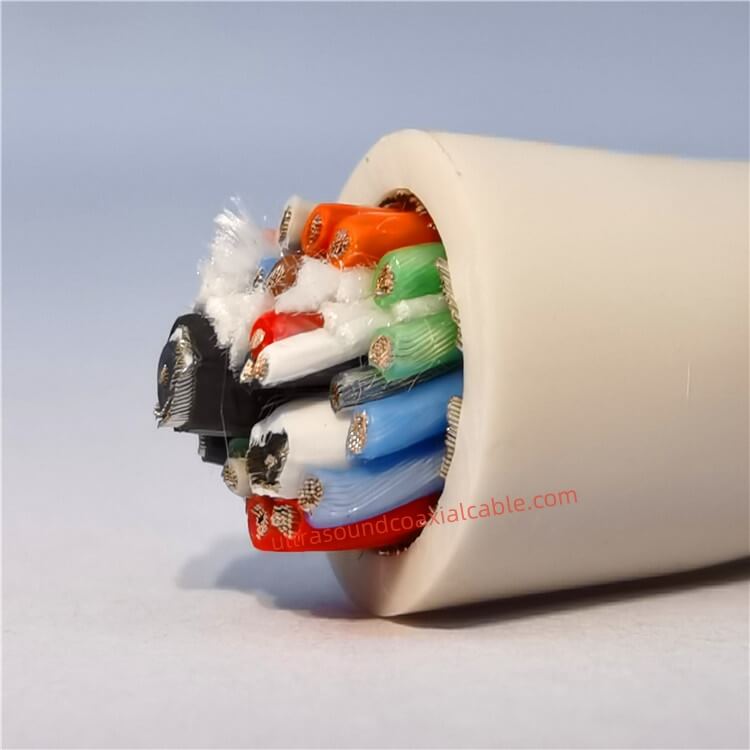
High-Precision 138-Core Medical Ultrasound Coaxial Cables | 0.2mm Ultra-Fine Biocompatible Design for Diagnostic Imaging Product Overview Engineered for advanced medical imaging systems, our 138-Core Medical Ultrasound Probe Coa.

Ultra-Flexible 42AWG Medical-Grade Coaxial Cables for High-Precision Ultrasound Imaging Designed for demanding medical imaging applications, our Ultra-Flexible 42AWG Coaxial Cables deliver exceptional signal integrity, noise reduction,.
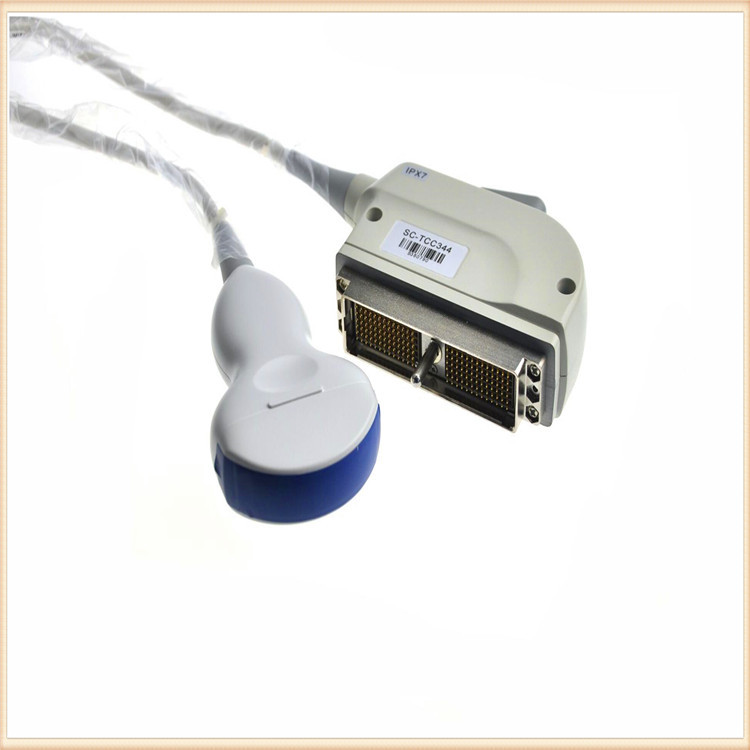
High-Performance Military Ultrasound Coaxial Cables: Built for Extreme Conditions Designed to meet the demanding requirements of military, aerospace, and medical applications, our Military-Grade Ultrasound Coaxial Cables deliver except.
Feel free to reach out to us for any inquiries or orders.