Ultrasound coaxial cables are critical components in medical imaging, industrial testing, and diagnostic systems where signal integrity is paramount. When… - Professional Ultrasound Coaxial Cable Solutions
Learn more about, latest news, frequently asked questions
Ultrasound coaxial cables are critical components in medical imaging, industrial testing, and diagnostic systems where signal integrity is paramount. When these specialized cables generate excessive heat during operation, it signals underlying issues that can compromise system performance, patient safety, or inspection accuracy. Understanding the causes behind this heating phenomenon is essential for selecting appropriate cables and preventing potential equipment failure.
Coaxial cables heat up primarily due to electrical resistance encountered when current flows through the conductor. This resistance converts electrical energy into thermal energy, manifesting as heat. In ultrasound applications where high-frequency signals are transmitted, the effect becomes more pronounced due to skin effect—a phenomenon where high-frequency currents concentrate near the conductor’s surface, effectively reducing its cross-sectional area and increasing resistance .
Impedance mismatch represents a particularly significant issue in ultrasound applications. When the cable’s characteristic impedance (typically 50Ω for medical ultrasound equipment) doesn’t precisely match the connected devices, signal reflections occur. These reflections cause standing waves that generate heat as energy is lost during transmission. Medical imaging systems require impedance stability within ±2Ω to maintain signal integrity and prevent heating issues .
Connector problems account for a substantial percentage of heating issues in ultrasound coaxial cables. Poorly designed or damaged connectors increase resistance at connection points, creating hotspots. Loose connections, corrosion, or oxidation on connectors exacerbate this problem by degrading the electrical path. In high-vibration industrial environments, connector integrity becomes even more critical as mechanical stress can loosen interfaces over time .
Signal loss in coaxial cables directly correlates with heat generation. When electrical energy is lost during transmission, it predominantly converts to heat. Ultrasound applications are particularly demanding, with signal loss specifications requiring less than 0.15 dB/m at 1 GHz to maintain image clarity and prevent excessive heating. FRS ultrasound coaxial cables address this challenge through precision engineering that minimizes attenuation even under repeated flexing conditions .
Environmental factors significantly influence coaxial cable temperature. High ambient temperatures in medical sterilization units or industrial settings reduce a cable’s ability to dissipate heat, causing operational temperatures to rise. Similarly, cables installed near heat sources or arranged too densely with inadequate ventilation trap heat, accelerating degradation of insulation materials .
The cable construction itself plays a crucial role in heat management. FRS ultrasound coaxial cables incorporate advanced materials like fluoropolymer insulation (PTFE/PFA) that withstand temperatures up to 150°C while maintaining stable dielectric properties. This specialized construction provides superior heat resistance compared to standard coaxial cables using conventional polyethylene or PVC insulation .
Ultrasound systems operate at higher frequencies (typically 2-15 MHz for medical imaging, even higher for industrial applications) where heating effects become more pronounced. As frequency increases, so does the energy converted to heat during signal transmission. Similarly, higher power levels necessary for advanced imaging techniques like elastography or 3D/4D ultrasound generate more heat through increased current flow .
The global ultrasound coaxial cable market, projected to reach approximately $90 billion by 2032, reflects growing demand for cables that can handle increasingly powerful and frequent imaging applications without overheating. This expansion drives innovation in thermal management technologies, particularly in medical imaging which accounts for over 60% of ultrasound coaxial cable production .
Insulation quality directly impacts a cable’s ability to withstand operational heating. High-quality medical-grade materials like radiation-cross-linked polymers offer better heat resistance than standard insulation. FRS cables utilize specialized fluoropolymer insulation that maintains dielectric properties across a wide temperature range (-40°C to 150°C), ensuring stable performance under thermal stress .
Shielding effectiveness also influences heating characteristics. Multi-layer shielding configurations (spiral and braid) providing up to 90% coverage not only protect against electromagnetic interference but also aid in heat dissipation. FRS cables employ advanced shielding technologies using silver-plated copper alloys that offer superior thermal conductivity compared to standard materials .
Adherence to international standards ensures cables meet safety and performance requirements, including thermal management. Compliance with IEC 60601 for medical electrical equipment safety and ISO 13485 for quality management systems provides assurance that cables will perform within specified temperature parameters under clinical conditions .
The importance of standards compliance is reflected in market trends, with the medical imaging sector showing 12% annual growth in portable and handheld devices. These applications demand cables that maintain performance despite compact designs that challenge heat dissipation capabilities. FRS commitment to compliance provides customers with documented evidence for regulatory submissions, potentially reducing time to market for new equipment .
FRS addresses coaxial cable heating through precision engineering and advanced material science. Our ultrasound coaxial cables incorporate silver-plated copper alloy conductors that provide optimal conductivity while resisting oxidation that can increase resistance over time. The proprietary fluoropolymer insulation maintains stable capacitance (approximately 110 pF/m) across temperature variations, preserving signal fidelity while managing heat buildup .
The mechanical design of FRS cables enhances heat dissipation through optimized conductor geometry and specialized jacketing materials. Medical-grade silicone or polyurethane jackets used in FRS cables offer superior thermal resistance compared to standard PVC, while maintaining flexibility necessary for clinical environments. This balanced approach ensures reliable performance throughout the cable’s operational lifespan, validated for up to 30 years in some applications .
Different applications present unique thermal challenges that require tailored solutions. Medical imaging cables demand flexibility and compatibility with sterilization processes, while industrial non-destructive testing (NDT) applications may require operation at temperatures up to 150°C for pipeline inspections. FRS offers specialized cable series engineered for these specific environments, with validation for over 10,000 flex cycles and thermal stability across extreme operating conditions .
The FRS DuraFlex Vibration-Resistant Series exemplifies this application-specific approach, incorporating multi-layer construction with enhanced strain relief at connection points where heating often initiates. This design demonstrates a 40% improvement in lifespan compared to traditional coaxial configurations, exceeding ASTM F2945-20 standards for mechanical stress resistance .
While compliant ultrasound coaxial cables may involve higher initial investment, they significantly reduce total cost of ownership through extended service life and reduced downtime. Heating-related failures in critical applications like medical diagnostics or industrial inspections can result in substantial operational disruptions. FRS cables engineered with thermal management in mind demonstrate documented service life of 20-50 years, compared to 2-5 years for standard cables under similar conditions .
The economic impact of cable heating extends beyond replacement costs to include system performance factors. Overheating cables degrade signal integrity, potentially resulting in image artifacts that necessitate retakes in medical imaging or false readings in industrial testing. FRS solutions minimize these issues through stable impedance characteristics (50Ω ± 2Ω) maintained across the cable’s operational temperature range .
As ultrasound technology advances toward higher frequencies and miniaturization, thermal management becomes increasingly critical. Emerging applications requiring frequencies above 15 MHz for enhanced resolution generate more heat, demanding cables capable of efficient heat dissipation in compact form factors. FRS invests in R&D to anticipate these trends, developing solutions that address evolving thermal challenges while maintaining compliance with international standards .
Understanding why ultrasound coaxial cables heat up during use is essential for selecting appropriate components that ensure system reliability, image accuracy, and operational safety. Through advanced materials, precision engineering, and adherence to international standards, FRS ultrasound coaxial cables address the root causes of heating while delivering the performance required in demanding medical and industrial applications.
Discover our most popular furniture pieces that are loved by customers worldwide.
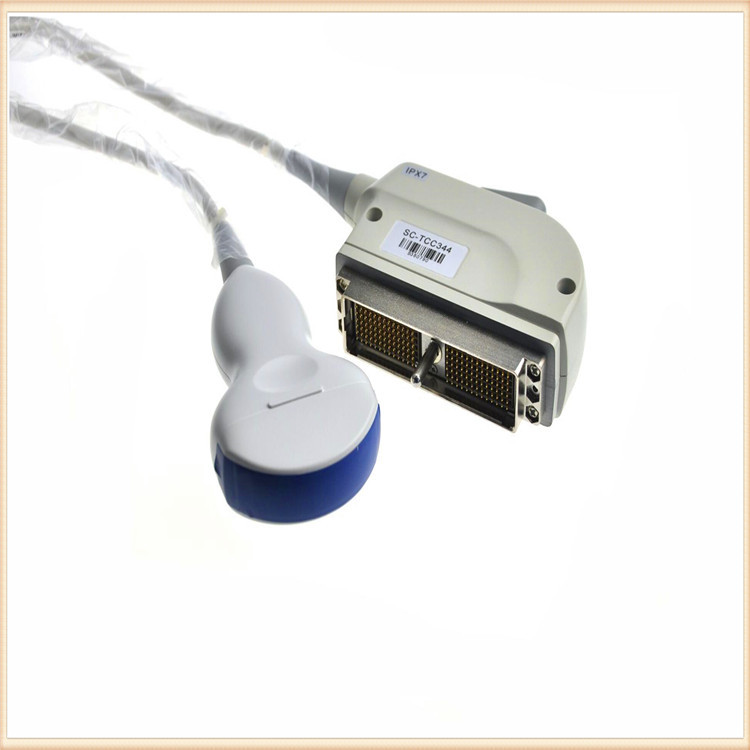
High-Performance Military Ultrasound Coaxial Cables: Built for Extreme Conditions Designed to meet the demanding requirements of military, aerospace, and medical applications, our Military-Grade Ultrasound Coaxial Cables deliver except.

High-Performance Flexible Coaxial Cable for Medical Imaging & Ultrasound Systems Designed for demanding applications in medical imaging, industrial diagnostics, and high-frequency signal transmission, this ultra-flexible coaxial ca.

Ultra-Flexible 42AWG Medical-Grade Coaxial Cables for High-Precision Ultrasound Imaging Designed for demanding medical imaging applications, our Ultra-Flexible 42AWG Coaxial Cables deliver exceptional signal integrity, noise reduction,.
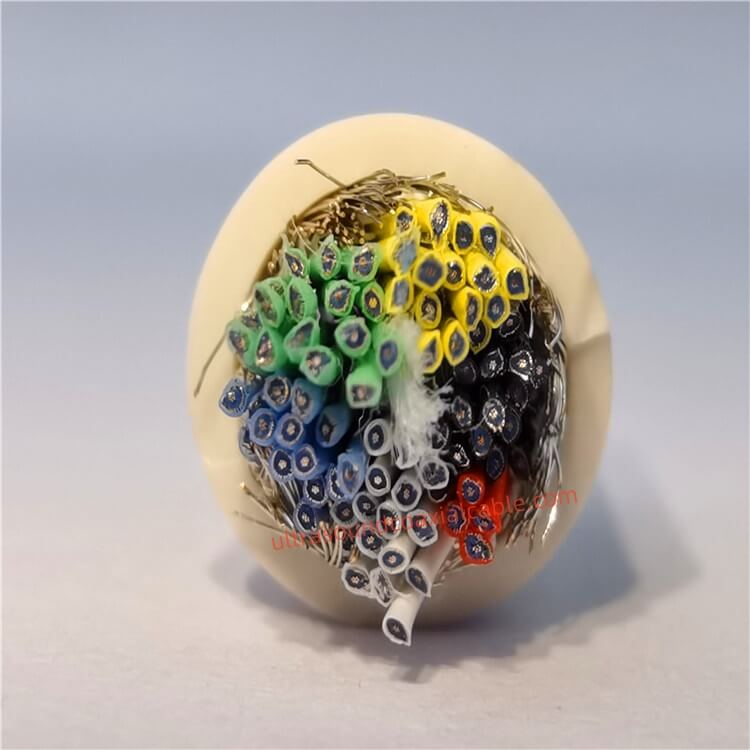
Product OverviewThe Ultrasound Coaxial Cable is a specialized cable engineered to deliver ultra-low signal loss, exceptional shielding, and unmatched durability in critical environments. Designed for medical imaging, industrial testi.
Feel free to reach out to us for any inquiries or orders.