When it comes to replacing ultrasound coaxial cables, medical facilities and equipment manufacturers face a critical decision: stick with original… - Professional Ultrasound Coaxial Cable Solutions
Learn more about, latest news, frequently asked questions
When it comes to replacing ultrasound coaxial cables, medical facilities and equipment manufacturers face a critical decision: stick with original equipment manufacturer (OEM) parts or opt for aftermarket alternatives. This choice directly impacts diagnostic accuracy, equipment uptime, and operational costs. Understanding the fundamental differences between these two options is essential for making informed procurement decisions in the medical imaging industry.
OEM Ultrasound Coaxial Cables are manufactured by the original equipment manufacturer or their authorized suppliers. These cables carry the device manufacturer’s branding, are sold through official channels, and are guaranteed to meet the specific technical specifications of the ultrasound system. They represent the “factory original” solution that came with the equipment.
Aftermarket Ultrasound Coaxial Cables are produced by third-party manufacturers to match or exceed OEM performance standards. These cables are designed to work seamlessly with specific ultrasound systems (such as GE, Philips, or Siemens equipment) using identical connectors and electrical specifications. When sourced from reputable manufacturers like FRS, aftermarket cables undergo rigorous testing and certification processes to ensure they meet or surpass OEM quality requirements.
The primary function of any ultrasound coaxial cable is to transmit high-frequency signals (typically 1MHz-100MHz) with minimal loss and interference. Both OEM and high-quality aftermarket cables must maintain low attenuation (<0.5 dB/m at 50MHz) and precise impedance matching (50Ω or 75Ω ±2%) to ensure diagnostic image quality. Premium aftermarket cables from manufacturers like FRS often incorporate triple-layer shielding (braided copper, foil, and dielectric insulation) with 90%+ shielding efficiency to block electromagnetic interference in hospital environments.
Medical ultrasound coaxial cables face demanding operational conditions, including repeated flexing, sterilization cycles, and exposure to cleaning chemicals. While OEM cables are reliable, they can degrade quickly in harsh clinical environments. Aftermarket solutions from specialized manufacturers often use advanced materials and construction techniques to enhance durability. FRS’s medical-grade silicone or PUR outer jackets resist chemicals and abrasion, with autoclave-safe options that withstand temperatures up to 135°C. These cables typically offer 3x longer lifespan compared to generic alternatives, reducing replacement frequency and equipment downtime.
OEM cables rely on the manufacturer’s quality control processes, which vary by brand. Reputable aftermarket manufacturers implement comprehensive testing protocols that often exceed OEM requirements. FRS conducts rigorous in-house testing for tensile strength, corrosion resistance, bend cycle endurance, and signal integrity. Every cable undergoes attenuation testing, impedance matching verification, and performance validation before shipment.
For ultrasound coaxial cables used in medical applications, ISO 13485 certification is arguably the most critical quality standard. This certification specifies requirements for a comprehensive quality management system focused on the design, production, and supply of medical devices. FRS maintains ISO 13485 certification, demonstrating commitment to consistent design and production of ultrasound coaxial cables that meet regulatory requirements and customer specifications.
Medical cables must contribute to overall system compliance with IEC 60601-1, which governs electrical safety for medical equipment. This standard includes requirements for protection against electric shock, mechanical hazards, and excessive radiation. Additionally, UL/CSA certifications provide safety validation for electrical components sold in North American markets. FRS’s cables comply with these standards, ensuring they meet the highest levels of electrical safety for medical applications.
For cables that may come into contact with patients, compliance with ISO 10993 (biological evaluation of medical devices) is essential to ensure biological safety and prevent adverse reactions. RoHS and REACH directives limit the use of hazardous substances in electrical equipment, making cables environmentally friendly and safe for handling. FRS’s medical ultrasound coaxial cables meet these material safety requirements.
ASTM F2945 provides specific test methods and performance criteria for cables used in medical applications, ensuring they can withstand the rigors of clinical environments. IPC/WHMA-A-620 defines acceptance criteria for cable and wire harness assemblies, including workmanship and quality requirements. These standards are particularly important for aftermarket manufacturers seeking to demonstrate equivalent or superior performance compared to OEM solutions.
The global ultrasound coaxial cable market is experiencing steady growth, driven by increasing demand for medical imaging and industrial non-destructive testing applications. The market is moderately concentrated, with key players including I-PEX, Junkosha, and Times Microwave Systems holding significant market share. However, specialized manufacturers like FRS have established strong positions through technological innovation and comprehensive quality certifications.
Medical ultrasound probes account for the largest application segment, representing over 60% of global production. The shift toward portable and handheld ultrasound machines, a market segment growing at approximately 12% annually, places a premium on cables that are thin, flexible, and exceptionally durable. Industrial ultrasonic probes for non-destructive testing represent another significant application area, requiring robust cables that can withstand harsh industrial environments.
Copper and silver-clad copper conductors dominate the market, with ongoing innovation in miniaturization, flexibility, and signal integrity. The convergence of broadband expansion and medical innovation positions ultrasound coaxial cables as a cornerstone of next-generation healthcare. Key trends include AI integration (smart cables with embedded sensors), sustainability (recyclable materials), and support for high-frequency applications (4K and 8K ultrasound imaging).
OEM cables are often the preferred choice when internal hospital policies require brand-name parts or when device warranties are dependent on using OEM components. Some equipment manufacturers may void warranties if non-OEM cables are used, making OEM the safer choice for new installations or equipment under warranty.
For small-scale procurement or single-unit replacements, OEM cables offer the convenience of direct compatibility without extensive validation. When sourcing limited quantities for new installations or specific device models, OEM solutions provide peace of mind regarding fit and function.
Some healthcare organizations prioritize brand consistency across their equipment fleet, preferring to maintain the original manufacturer’s ecosystem. This approach simplifies procurement processes and ensures alignment with existing service contracts and technical support arrangements.
Aftermarket ultrasound coaxial cables typically offer 30-50% cost savings compared to OEM equivalents, making them particularly attractive for large-scale hospital purchasing or system upgrades. For healthcare networks managing multiple ultrasound systems across multiple facilities, the cost savings can be substantial without compromising performance or safety.
Aftermarket manufacturers like FRS offer flexible lead times and direct support, reducing dependency on OEM distributors. This flexibility is particularly valuable during supply chain disruptions, component shortages, or when dealing with discontinued or legacy equipment models.
Aftermarket manufacturers often provide extensive customization options that OEMs may not offer. FRS, for example, offers custom gauge configurations from 30AWG to 48AWG, multi-core configurations up to 256 channels, and specialized shielding solutions for challenging clinical environments. This level of customization allows healthcare providers to optimize cable performance for specific applications or environmental conditions.
For reusable medical cables that undergo frequent sterilization and handling, aftermarket solutions often provide superior durability and longer service life. Many aftermarket manufacturers offer extended warranties (typically 12 months for reusable cables) and comprehensive technical support, reducing the total cost of ownership over the equipment’s lifecycle.
Pain Point: Poor image quality, signal loss, or interference patterns in ultrasound images can result from cable degradation, improper impedance matching, or inadequate shielding.
Solution: Both OEM and high-quality aftermarket cables must maintain precise impedance matching and low attenuation. FRS’s triple-layer shielding technology and rigorous signal integrity testing ensure minimal signal loss and maximum image clarity, often outperforming standard OEM cables in challenging electromagnetic environments.
Pain Point: Frequent cable failures lead to equipment downtime, delayed procedures, and increased maintenance costs.
Solution: Aftermarket cables from specialized manufacturers often use reinforced construction and medical-grade materials that withstand thousands of flex cycles and repeated sterilization. FRS’s cables are designed for 3x longer lifespan compared to generic alternatives, reducing replacement frequency and minimizing equipment downtime.
Pain Point: Uncertainty about connector compatibility, electrical specifications, or regulatory compliance when using aftermarket cables.
Solution: Reputable aftermarket manufacturers provide comprehensive compatibility documentation, technical specifications, and regulatory certifications. FRS offers detailed technical data sheets, connector compatibility guides, and full regulatory compliance documentation, ensuring seamless integration with existing ultrasound systems.
Pain Point: Rising healthcare costs and budget constraints make OEM cable replacements increasingly expensive.
Solution: Aftermarket cables provide significant cost savings without compromising quality. FRS’s volume pricing, custom packaging options, and extended warranties help healthcare organizations manage procurement budgets while maintaining high standards of care.
The decision between OEM and aftermarket ultrasound coaxial cables ultimately depends on your specific requirements, budget constraints, and risk tolerance. For new equipment under warranty or when brand alignment is critical, OEM cables may be the preferred choice. However, for cost-sensitive applications, volume procurement, or when seeking enhanced durability and customization options, high-quality aftermarket solutions from certified manufacturers like FRS offer compelling advantages.
When evaluating aftermarket options, prioritize manufacturers with comprehensive quality certifications (ISO 13485, IEC 60601-1), proven track records in medical applications, and robust testing protocols. Look for suppliers that offer technical support, customization capabilities, and transparent documentation of performance specifications and regulatory compliance.
By understanding the differences between OEM and aftermarket ultrasound coaxial cable replacements, healthcare providers and equipment manufacturers can make informed decisions that balance performance, cost, and reliability—ultimately ensuring optimal diagnostic outcomes and operational efficiency.
Discover our most popular furniture pieces that are loved by customers worldwide.

Ultra-Flexible 42AWG Medical-Grade Coaxial Cables for High-Precision Ultrasound Imaging Designed for demanding medical imaging applications, our Ultra-Flexible 42AWG Coaxial Cables deliver exceptional signal integrity, noise reduction,.
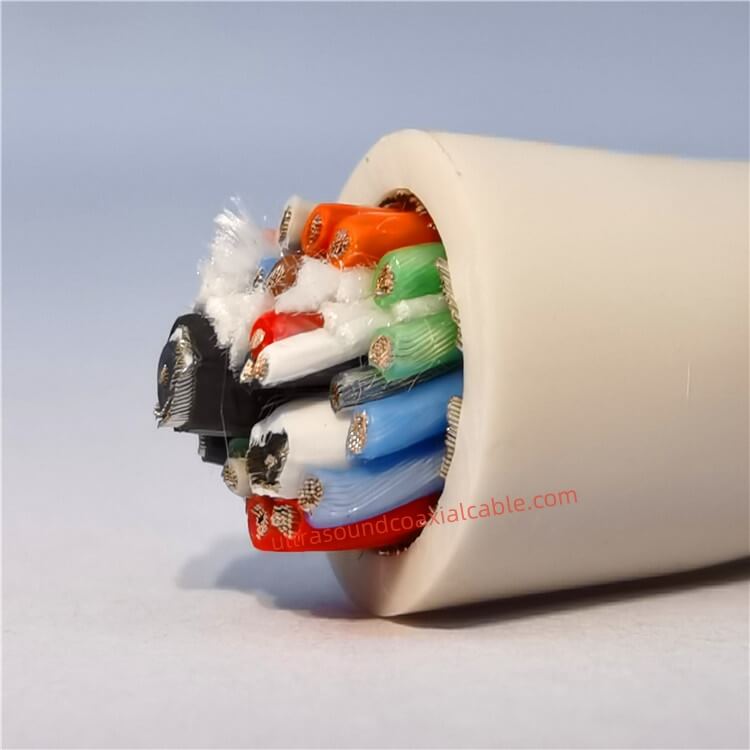
High-Precision 138-Core Medical Ultrasound Coaxial Cables | 0.2mm Ultra-Fine Biocompatible Design for Diagnostic Imaging Product Overview Engineered for advanced medical imaging systems, our 138-Core Medical Ultrasound Probe Coa.

High-Performance Flexible Coaxial Cable for Medical Imaging & Ultrasound Systems Designed for demanding applications in medical imaging, industrial diagnostics, and high-frequency signal transmission, this ultra-flexible coaxial ca.
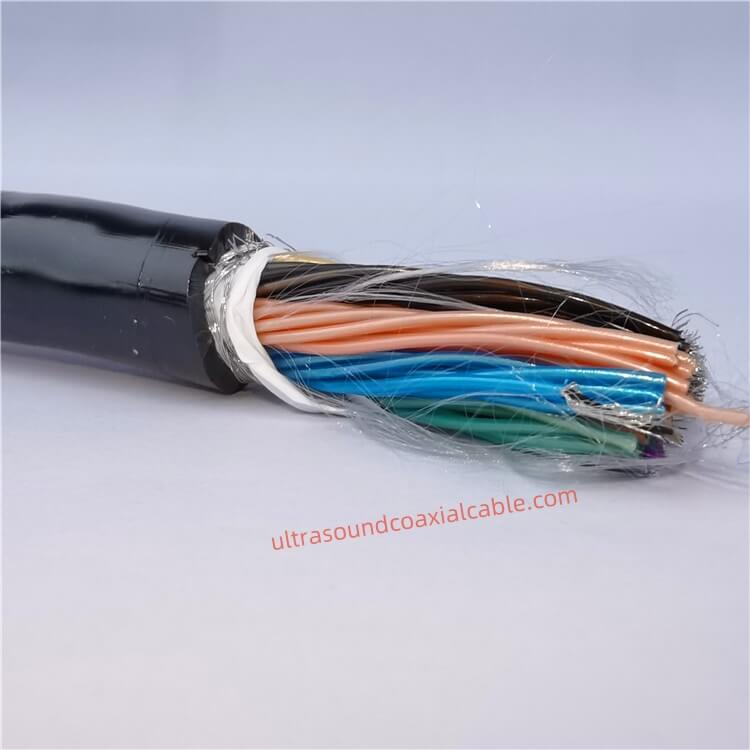
High-Performance Ultrasound Coaxial Cable Assembly: 42AWG to 30AWG, 6.6mm OD, 18GHz Bandwidth Engineered for precision in medical imaging and industrial applications, this customizable coaxial cable assembly delivers exceptional signal.
Feel free to reach out to us for any inquiries or orders.