What voltage ratings do ultrasound coaxial cables have? | High-Quality Ultrasound Coaxial Cable | ultrasound coaxial cable Manufacturer & Factory-FRS

What voltage ratings do ultrasound coaxial cables have?

Understanding Voltage Ratings in Ultrasound Coaxial Cables: A Comprehensive Guide​ Ultrasound technology has revolutionized medical diagnostics and industrial inspections, offering… - Professional Ultrasound Coaxial Cable Solutions

Information

Learn more about, latest news, frequently asked questions

Understanding Voltage Ratings in Ultrasound Coaxial Cables: A Comprehensive Guide

Ultrasound technology has revolutionized medical diagnostics and industrial inspections, offering non-invasive imaging and precise analysis of internal structures. At the heart of this technology lies the ​ultrasound coaxial cable, a critical component that ensures signal integrity and energy transmission. One of the most frequently asked questions by engineers, technicians, and procurement teams is: What voltage ratings do ultrasound coaxial cables have? This article dives deep into the factors influencing voltage ratings, common specifications, and practical considerations for selecting the right cable for your application.


1. Why Voltage Ratings Matter in Ultrasound Systems

Ultrasound coaxial cables transmit high-frequency electrical signals between transducers and equipment. These signals must remain stable and distortion-free, especially in demanding environments like medical imaging or underwater sonar systems. The voltage rating of a cable determines its ability to handle electrical potential differences without compromising performance or safety.

  • Signal Integrity: Voltage fluctuations can introduce noise, distorting the ultrasound image or data. A cable with an inadequate voltage rating may degrade signal quality over time.
  • Safety: Overvoltage scenarios, such as power surges or improper connections, can damage cables or even pose safety risks to operators.
  • Durability: Cables rated for higher voltages often incorporate advanced insulation materials, enhancing their longevity in harsh conditions.

2. Common Voltage Ratings for Ultrasound Coaxial Cables

Ultrasound coaxial cables are designed for specific voltage ranges, depending on their application. Below are the most prevalent categories:

Low-Voltage Cables (≤300 V)​

  • Applications: Diagnostic ultrasound probes, portable medical devices, and consumer-grade imaging systems.
  • Design Features:
    • Thin insulation layers (e.g., polyethylene or fluoropolymers) to minimize signal attenuation.
    • Flexible copper conductors for easy maneuverability in tight spaces.
    • Shielding to reject electromagnetic interference (EMI) from surrounding electronics.
  • Examples: RG-59 and RG-6 cables are widely used in ultrasound systems due to their balance of flexibility and low attenuation .

Medium-Voltage Cables (300 V–15 kV)​

  • Applications: Industrial non-destructive testing (NDT), underwater sonar systems, and high-power ultrasound equipment.
  • Design Features:
    • Thicker polyethylene or PTFE insulation for enhanced dielectric strength.
    • Braided shielding to withstand mechanical stress in rugged environments.
    • Semi-rigid or corrugated outer jackets for durability.
  • Examples: RG-8/U and RG-213 cables are popular in industrial settings, supporting voltages up to 15 kV .

High-Voltage Cables (>15 kV)​

  • Applications: Specialized medical devices (e.g., cardiac ablation), high-energy research, and aerospace systems.
  • Design Features:
    • Multi-layer insulation (e.g., FEP or ETFE) to handle extreme voltage gradients.
    • Corrugated copper shielding to prevent arcing.
    • High-temperature-resistant materials for stability in fluctuating environments.
  • Examples: Custom-engineered cables with solid polyethylene cores are often required for voltages exceeding 30 kV .

3. Key Factors Influencing Voltage Ratings

The voltage capacity of an ultrasound coaxial cable isn’t arbitrary—it’s dictated by several design and operational variables:

A. Insulation Material

  • Polyethylene (PE)​: Cost-effective and lightweight, suitable for low-to-medium voltages.
  • Fluoropolymers (PTFE, FEP)​: Offer superior heat and chemical resistance, ideal for high-voltage applications.
  • Solid Dielectrics: Provide uniform electrical properties but are less flexible than foam alternatives .

B. Conductor Thickness

  • Thicker copper or silver-plated conductors reduce resistive losses, allowing higher current handling without overheating.
  • Stranded conductors enhance flexibility but may sacrifice some power-handling capacity .

C. Shielding Effectiveness

  • Braided shields (60–95% coverage) deflect external EMI but may introduce minor signal leakage at very high voltages.
  • Foil shields combined with braid offer a balanced solution for medium-voltage systems .

D. Operating Temperature

  • High temperatures degrade insulation over time. For example, PTFE cables can withstand up to 250°C, making them suitable for industrial ovens or engine diagnostics .

4. Application-Specific Considerations

Choosing the right voltage rating requires aligning the cable’s specifications with its intended use:

Medical Imaging

  • Low-Voltage Focus: Diagnostic ultrasound probes prioritize flexibility and precision. Cables must comply with medical safety standards (e.g., biocompatibility) and minimize electromagnetic interference near sensitive electronics .
  • Example: A 128-element phased-array transducer might use a 24 AWG RG-174 cable rated for 500 V.

Industrial NDT

  • High-Voltage Demands: Equipment like ultrasonic thickness gauges for pipeline inspections often operates at 10–20 kV. Cables must resist oil, moisture, and mechanical abrasion.
  • Example: A corrugated RG-8/U cable with FEP insulation handles 15 kV in oil refineries .

Aerospace and Defense

  • Dual Requirements: Systems may need both high voltage (for power transmission) and low noise (for sensor signals). Hybrid cables with separate shielding layers are common.
  • Example: A 50 Ω RG-58 cable with a braided shield and PTFE dielectric operates at 25 kV in missile guidance systems .

5. How to Verify Voltage Compatibility

When selecting an ultrasound coaxial cable, follow these steps:

  1. Check Manufacturer Specifications: Look for terms like “maximum RMS voltage” or “dielectric withstand voltage.”
  2. Test Under Real Conditions: Simulate operating environments (temperature, humidity) to identify breakdown points.
  3. Consult Standards: Adhere to industry guidelines like IEC 60092-371 for marine cables or UL 44 for flexible cables .

Conclusion: Balancing Voltage, Performance, and Safety

Ultrasound coaxial cables are the unsung heroes of high-frequency signal transmission. Their voltage ratings directly impact system reliability, safety, and accuracy. Whether you’re designing a portable ultrasound device or a high-power industrial sensor, understanding the interplay between insulation, shielding, and conductor geometry is essential. By aligning your choice with application-specific demands—from medical imaging to aerospace engineering—you can ensure seamless performance and long-term durability.

Remember, a cable isn’t just a conduit—it’s a critical link in the chain of innovation. Invest wisely, and let your ultrasound systems thrive.

Hot Selling Products

Discover our most popular furniture pieces that are loved by customers worldwide.
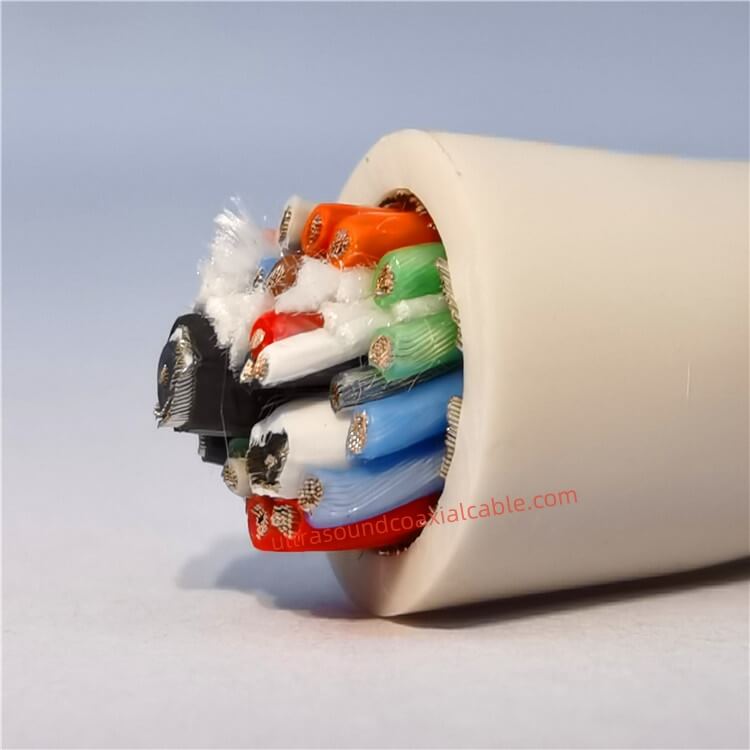
138-Core Medical Ultrasound Probe Coaxial Cable with 0.2mm Diameter – Biocompatible & FDA-Certified

138-Core Medical Ultrasound Probe Coaxial Cable with 0.2mm Diameter – Biocompatible & FDA-Certified

High-Precision 138-Core Medical Ultrasound Coaxial Cables | 0.2mm Ultra-Fine Biocompatible Design for Diagnostic Imaging Product Overview Engineered for advanced medical imaging systems, our 138-Core Medical Ultrasound Probe Coa.
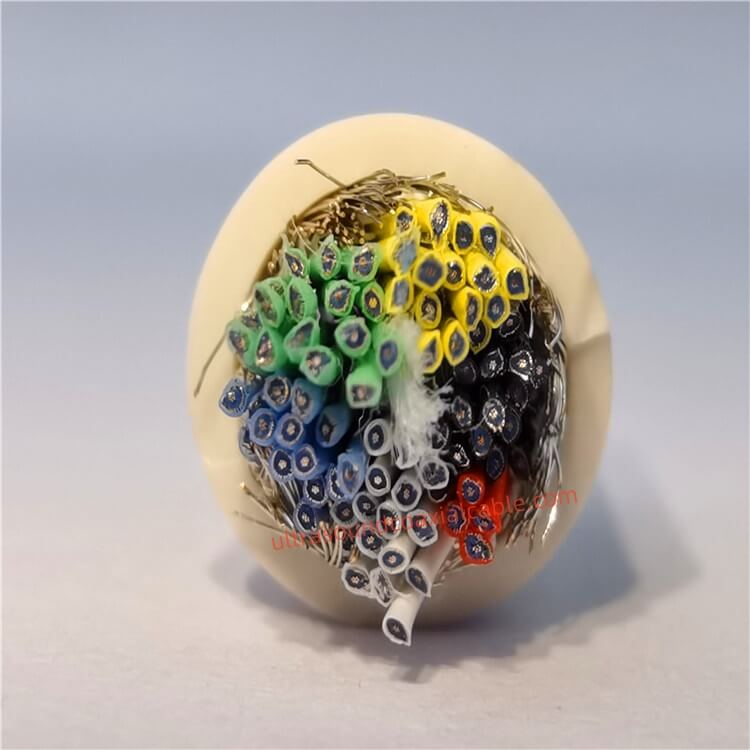
Ultrasound Coaxial Cable|High-Performance Signal Transmission for Precision Applications

Ultrasound Coaxial Cable|High-Performance Signal Transmission for Precision Applications

‌‌Product Overview‌The ‌Ultrasound Coaxial Cable‌ is a specialized cable engineered to deliver ultra-low signal loss, exceptional shielding, and unmatched durability in critical environments. Designed for medical imaging, industrial testi.

High-Precision Ultrasound Coaxial Cable for Medical Imaging – Low Noise, Flexible Design, 42AWG

High-Precision Ultrasound Coaxial Cable for Medical Imaging – Low Noise, Flexible Design, 42AWG

Ultra-Flexible 42AWG Medical-Grade Coaxial Cables for High-Precision Ultrasound Imaging Designed for demanding medical imaging applications, our Ultra-Flexible 42AWG Coaxial Cables deliver exceptional signal integrity, noise reduction,.
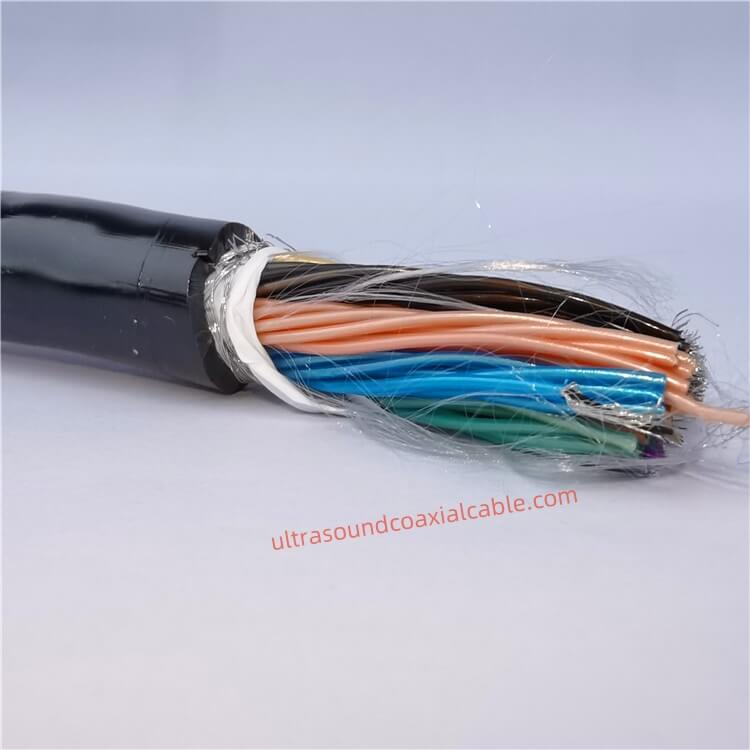
Customizable Ultrasound Coaxial Cable Assembly – 42AWG to 30AWG, 6.6mm OD, 18GHz Bandwidth

Customizable Ultrasound Coaxial Cable Assembly – 42AWG to 30AWG, 6.6mm OD, 18GHz Bandwidth

High-Performance Ultrasound Coaxial Cable Assembly: 42AWG to 30AWG, 6.6mm OD, 18GHz Bandwidth Engineered for precision in medical imaging and industrial applications, this customizable coaxial cable assembly delivers exceptional signal.

Contact Us

Feel free to reach out to us for any inquiries or orders.

Call Us

Have a question? Give us a call!

                   +8618818785005(Whatsapp)

Email Us

Send us an email and we'll get back to you soon.

sales@custom-cable-assemblies.com
       
Home Products Contact