What Makes an Ultrasound Coaxial Cable Suitable for Industrial Use? | High-Quality Ultrasound Coaxial Cable | ultrasound coaxial cable Manufacturer & Factory-FRS

What Makes an Ultrasound Coaxial Cable Suitable for Industrial Use?

Industrial environments demand robust and reliable components, and ​ultrasound coaxial cables​ are no exception. Unlike standard cables, these specialized coaxial… - Professional Ultrasound Coaxial Cable Solutions

Information

Learn more about, latest news, frequently asked questions

Industrial environments demand robust and reliable components, and ​ultrasound coaxial cables​ are no exception. Unlike standard cables, these specialized coaxial cables must maintain signal integrity while withstanding extreme conditions, from temperature fluctuations to physical stress. This article explores the key features that make certain ultrasound coaxial cables ideally suited for demanding industrial applications.

Key Characteristics of Industrial-Grade Ultrasound Coaxial Cables

1. Superior Shielding for Electromagnetic Interference (EMI) Resistance

Industrial settings are often saturated with electromagnetic noise from heavy machinery, motors, and wireless equipment. A suitable industrial ​coaxial cable​ incorporates advanced shielding to combat this. High-performance designs feature multiple shielding layers, such as a combination of a ​spiral shield​ with minimum 90% coverage and a ​braid shield​ offering 85% nominal coverage . This multi-layer approach ensures superior protection against EMI, guaranteeing that the sensitive signals transmitted for ultrasonic non-destructive testing (NDT) or flaw detection remain accurate and uncontaminated. For the most critical environments, ​triaxial cables (Triax)​​ with an additional shield layer provide extreme noise protection .

2. Durable Construction and Material Science

Durability is non-negotiable. Industrial ultrasound cables face constant flexing, abrasion, and potential exposure to chemicals or oils. Key material choices include:

  • Conductors:​​ ​Silver-plated copper alloy​ conductors are common, enhancing high-frequency performance and resisting corrosion, which is crucial for long-term reliability .
  • Insulation:​​ Materials like ​fluoropolymer (PTFE)​​ are preferred for their superior dielectric strength, chemical inertness, and thermal stability, often withstanding temperatures up to 150°C .
  • Jacketing:​​ The outer sheath must be tough. ​PVC​ is common, but for harsher environments, ​polyurethane (TPU)​​ jackets offer excellent abrasion resistance, while ​silicone​ provides flexibility in wide temperature ranges . Cables from brands like ​FRS​ are often designed to withstand rigorous flexing, with some constructions rated for over 10,000 flex cycles without signal degradation .

3. Precise Electrical Performance for High-Frequency Signals

The core function of an ultrasound coaxial cable is to transmit high-frequency signals with minimal loss. Industrial applications require exceptional electrical properties.

  • Stable Impedance:​​ A consistent ​50-ohm impedance​ at operating frequencies (e.g., 10 MHz) is critical for preventing signal reflections that distort readings .
  • Low Capacitance:​​ Cables with a nominal ​capacitance of 110 pF/m​ help preserve signal fidelity over the cable’s length, which is essential for high-resolution imaging in NDT .
  • Low Signal Attenuation:​​ High-quality materials and construction minimize signal loss, which is vital for applications where signal integrity over distance is paramount.

Industrial Applications and Market Drivers

The demand for industrial ultrasound coaxial cables is growing, driven by several key sectors. The ​industrial non-destructive testing (NDT) sector​ has seen a 9% year-on-year increase in equipment sales, directly correlating with cable demand .

  • Flaw Detection in Critical Infrastructure:​​ Used to inspect oil and gas pipelines, aerospace components, and structural welds, where cable failure could lead to catastrophic outcomes.
  • Automotive Manufacturing and ADAS:​​ Modern vehicles rely on ultrasonic sensors for Advanced Driver-Assistance Systems (ADAS) like parking assistance. Each vehicle can incorporate 8-12 sensors, fueling demand for durable, shielded cables .
  • Renewable Energy:​​ Wind turbine blade inspections using ultrasound technology require cables resistant to vibration, moisture, and extreme temperatures .
  • Marine and Offshore Applications:​​ Cables used in these environments require specific ​marine-grade materials​ like tinned copper and polyurethane jackets to resist saltwater corrosion, validated by standards like ​MIL-C-17​ .

Addressing Client Pain Points with Robust Solutions

Industrial users face specific challenges that a well-designed cable must solve:

  • Pain Point: Downtime from Cable Failure.​​ A broken cable halts inspection processes, leading to costly project delays.
    • Solution:​​ Cables built with strong fatigue resistance and robust shielding, like those from ​FRS, are engineered for longevity, reducing unplanned downtime and maintenance costs .
  • Pain Point: Inaccurate Readings in Noisy Environments.​​ EMI can create false positives or mask flaws, compromising quality control.
    • Solution:​​ The multi-layer shielding found in high-grade industrial coaxial cables ensures signals are transmitted clearly, enabling inspectors to make confident decisions based on accurate data .
  • Pain Point: Harsh Operating Conditions.​​ Cables may be exposed to temperature extremes, moisture, or chemicals.
    • Solution:​​ Selecting cables with appropriate jacketing (e.g., TPU for abrasion, silicone for heat) and corrosion-resistant materials ensures reliable performance wherever the job takes it .

The FRS Advantage in Industrial Ultrasound Cables

When selecting a partner for your critical inspection tools, ​FRS​ exemplifies the commitment to quality required for industrial success. ​FRS​ cables are designed with a focus on the factors that matter most: ​signal integrity, ​mechanical durability, and ​environmental resistance. By utilizing premium materials and adhering to stringent manufacturing standards, ​FRS​ ensures that every cable delivers the performance and reliability that industrial professionals depend on for accurate non-destructive testing and precise measurements day in and day out .

Conclusion

An industrial-grade ultrasound coaxial cable is a finely engineered component, distinct from its standard counterparts. Its suitability is determined by its ability to combine ​exceptional shielding, ​rugged durability, and ​precise electrical characteristics. As industrial applications for ultrasound technology continue to expand into more demanding environments, the role of the specialized coaxial cable becomes ever more critical. Investing in a high-quality cable is not just a purchase; it is a commitment to accuracy, safety, and operational efficiency.

Hot Selling Products

Discover our most popular furniture pieces that are loved by customers worldwide.
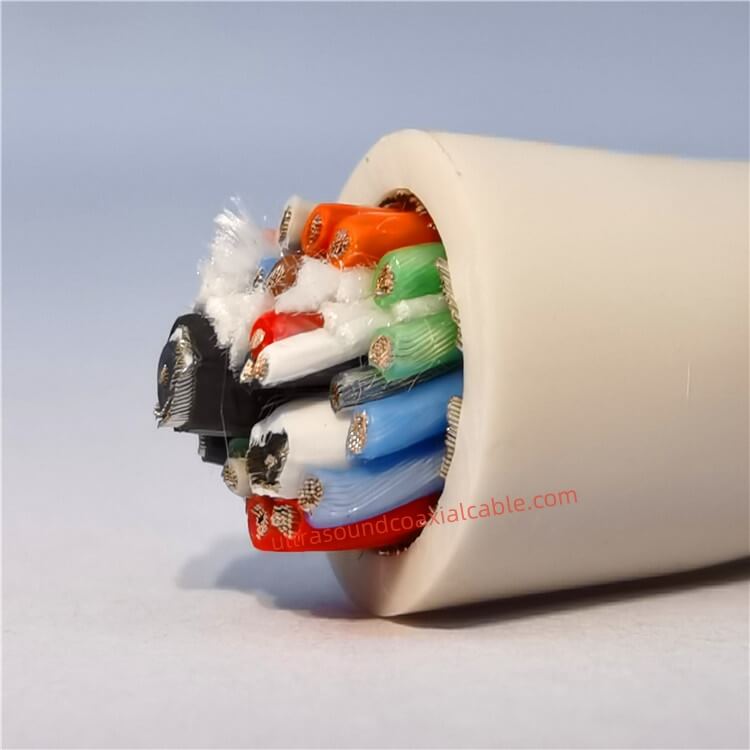
138-Core Medical Ultrasound Probe Coaxial Cable with 0.2mm Diameter – Biocompatible & FDA-Certified

138-Core Medical Ultrasound Probe Coaxial Cable with 0.2mm Diameter – Biocompatible & FDA-Certified

High-Precision 138-Core Medical Ultrasound Coaxial Cables | 0.2mm Ultra-Fine Biocompatible Design for Diagnostic Imaging Product Overview Engineered for advanced medical imaging systems, our 138-Core Medical Ultrasound Probe Coa.

High-Precision Ultrasound Coaxial Cable for Medical Imaging – Low Noise, Flexible Design, 42AWG

High-Precision Ultrasound Coaxial Cable for Medical Imaging – Low Noise, Flexible Design, 42AWG

Ultra-Flexible 42AWG Medical-Grade Coaxial Cables for High-Precision Ultrasound Imaging Designed for demanding medical imaging applications, our Ultra-Flexible 42AWG Coaxial Cables deliver exceptional signal integrity, noise reduction,.

Ultra-Flexible Coaxial Cable for Ultrasound Transducers – 44AWG, 0.15dB/m Attenuation at 1GHz

Ultra-Flexible Coaxial Cable for Ultrasound Transducers – 44AWG, 0.15dB/m Attenuation at 1GHz

High-Performance Flexible Coaxial Cable for Medical Imaging & Ultrasound Systems Designed for demanding applications in medical imaging, industrial diagnostics, and high-frequency signal transmission, this ultra-flexible coaxial ca.
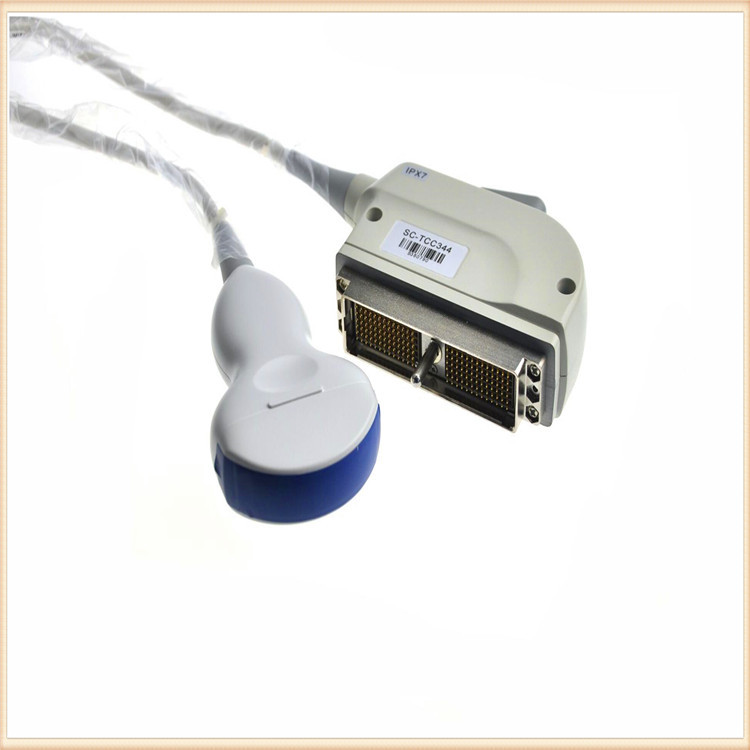
Military-Grade Ultrasound Coaxial Cable – High-Temperature Resistance, 100daN Compression Strength

Military-Grade Ultrasound Coaxial Cable – High-Temperature Resistance, 100daN Compression Strength

High-Performance Military Ultrasound Coaxial Cables: Built for Extreme Conditions Designed to meet the demanding requirements of military, aerospace, and medical applications, our Military-Grade Ultrasound Coaxial Cables deliver except.

Contact Us

Feel free to reach out to us for any inquiries or orders.

Call Us

Have a question? Give us a call!

                   +8618818785005(Whatsapp)

Email Us

Send us an email and we'll get back to you soon.

sales@custom-cable-assemblies.com
       
Home Products Contact