Introduction and Executive Summary High flexibility ultrasound coaxial cables represent the pinnacle of precision engineering in medical imaging technology. These… - Professional Ultrasound Coaxial Cable Solutions
Learn more about, latest news, frequently asked questions
High flexibility ultrasound coaxial cables represent the pinnacle of precision engineering in medical imaging technology. These specialized cables are engineered to transmit high-frequency ultrasound signals with exceptional fidelity while maintaining unparalleled flexibility for clinical maneuverability. As the critical link between ultrasound transducers and processing units, these cables directly impact diagnostic accuracy, patient comfort, and equipment longevity. This comprehensive guide explores the technical specifications, industry standards, market dynamics, and practical applications of high flexibility ultrasound coaxial cables, providing medical device manufacturers and healthcare providers with essential insights for informed decision-making.
High flexibility ultrasound coaxial cables feature a sophisticated multi-layer architecture optimized for medical applications. The core components include a central conductor typically made of high-purity copper or silver-plated copper alloy, dielectric insulation material, metallic shielding, and a protective outer jacket. Medical-grade coaxial cables require exceptionally fine conductors, often ranging from 38AWG to 46AWG (approximately 0.12mm to 0.06mm in diameter), to accommodate the high channel counts needed in modern ultrasound systems.
Impedance Matching: Most medical ultrasound systems operate at standardized impedances of 50Ω or 75Ω. Mismatched impedance can cause signal reflections that degrade image quality. Premium ultrasound coaxial cables maintain consistent impedance (±2Ω) across their operating frequency range to ensure accurate signal transmission.
Low Capacitance: Medical ultrasound cables typically feature capacitance values between 50pF and 110pF. Lower capacitance cables (50-60pF) are ideal for high-frequency applications where signal preservation is critical, while higher capacitance cables (110pF) may be suitable for specific transducer types.
Signal Attenuation: Premium medical coaxial cables maintain attenuation below 0.15 dB/m at 1 GHz, ensuring minimal signal loss even in long cable runs. This low insertion loss characteristic is crucial for maintaining image clarity in diagnostic applications.
Fatigue Resistance: Medical coaxial cables should withstand 300,000+ flex cycles without performance degradation. This exceptional durability is achieved through advanced materials like fluoropolymer insulation and specialized shielding designs that maintain integrity during repeated bending and twisting.
Ultra-Fine Construction: Advanced designs feature 0.2mm ultra-thin diameter micro-coaxial construction, enabling precise maneuverability in confined anatomical spaces. This high flexibility minimizes patient discomfort during prolonged procedures while maintaining signal integrity.
High flexibility ultrasound coaxial cables must adhere to stringent regulatory standards to ensure patient and operator safety. Key certifications include:
Medical-grade materials compliant with ISO 13485 and FDA 21 CFR Part 11 ensure safe contact with human tissue. These materials include medical-grade silicone and polyimide, which are resistant to autoclave, ethylene oxide (EtO), and chemical sterilization processes without performance degradation.
The ultrasound coaxial cable market demonstrates robust growth, expanding from USD 48.24 billion in 2024 to USD 52.16 billion in 2025. With an expected CAGR of 8.11%, the sector is projected to reach USD 90.05 billion by 2032. This expansion is fueled by increasing demand for next-generation diagnostic imaging, military-grade communications, and industrial non-destructive testing applications.
Portable Ultrasound Adoption: The growing portable ultrasound market (expanding 12% annually) drives innovation in cable miniaturization without performance compromise. Portable and handheld ultrasound devices prioritize lightweight, flexible cables with small bend radii.
Endoscopic Applications: Development of flexible miniature coaxial cables for endoscopic ultrasound applications in gastrointestinal diagnostics represents a significant growth segment. These applications require ultra-fine cables capable of navigating complex anatomical pathways.
Advanced Shielding Technologies: Implementation of advanced shielding technologies to minimize electromagnetic interference in high-resolution ultrasound systems is a critical trend. Premium medical coaxial cables incorporate multiple shielding layers with 95% braid coverage to ensure superior protection against EMI.
High-resolution diagnostic ultrasound, including cardiac, obstetric, and abdominal imaging, demands cables with exceptional signal integrity. These applications typically require 72-channel or higher configurations with impedance stability within ±2Ω. Cardiology systems benefit from coaxial cables with silver-plated conductors that provide optimal high-frequency response for detailed Doppler measurements.
Surgical and interventional applications require cables that withstand sterilization protocols including autoclaving at 135°C. Autoclave-ready coaxial cables feature ETFE insulation and platinum-cured silicone jackets that maintain performance through repeated sterilization cycles. These cables also incorporate enhanced shielding to prevent interference from electrosurgical units.
Veterinary and emergency medicine applications often need ruggedized cables that tolerate harsh environments. These implementations benefit from cables with abrasion-resistant outer jackets and reinforced strain relief at connection points. Durability-enhanced series exceed standard flex life requirements by 40%, making them ideal for mobile medical units and field applications.
Signal Integrity: Advanced shielding technologies provide 95% braid coverage, minimizing electromagnetic interference critical for environments with high electromagnetic interference (e.g., MRI suites). Low capacitance (as low as 50 pF/m) reduces signal loss, enabling accurate capture of subtle tissue variations in ultrasound diagnostics.
Flexibility and Durability: Ultra-fine 0.2mm diameter construction enables precise maneuverability in confined anatomical spaces. Reinforced connector interfaces withstand 10,000+ bending cycles without cracking, ensuring reliability in high-use clinical settings.
Leading manufacturers like FRS offer extensive customization options, including:
ISO-certified manufacturing facilities ensure consistent quality across production batches. Full traceability with lot-numbered cables and comprehensive production history documentation supports audit readiness for medical device manufacturers.
As cable length increases, signal attenuation becomes more pronounced. For cables longer than approximately 20 meters, duplicate excitation pulses or echoes may occur due to reflected electrical energy redriving the transducer. Solutions include implementing preamplifiers at the transducer end and using low-loss cable designs with specialized dielectric materials that reduce attenuation.
Hospital environments contain numerous sources of electromagnetic interference that can degrade signal quality. Premium medical coaxial cables incorporate multiple shielding layers (spiral shields with tinned copper wire offering 90% coverage combined with braid shields providing 85% coverage) to ensure superior protection against EMI.
Connector terminations are common failure points in portable ultrasound equipment. Proper strain relief implementation within 6 inches of connection points prevents mechanical stress on terminations. Medical-grade connectors with appropriate IP ratings withstand repeated cleaning and autoclaving cycles.
FRS Ultrasonic Solutions stands as a leading manufacturer of high flexibility ultrasound coaxial cables, with over 20 years of manufacturing experience in ultra-fine cable technology. Our ISO9001, ISO13485, IATF 16949, and ISO 14001 certifications demonstrate our commitment to quality excellence.
FRS offers comprehensive technical support, including:
Case Study 1: A leading endoscope manufacturer reduced ECG interference by 32 dB using FRS low-loss cables, improving diagnostic accuracy in cardiac units.
Case Study 2: A hospital chain eliminated 85% of cable replacements in operating rooms by switching to FRS autoclave-resistant designs, saving $98,000 annually.
High flexibility ultrasound coaxial cables represent a critical component in modern medical imaging systems, directly impacting diagnostic accuracy, patient comfort, and equipment reliability. By understanding the technical specifications, industry standards, and application requirements, medical device manufacturers and healthcare providers can make informed decisions that optimize system performance and patient outcomes. Partnering with experienced manufacturers like FRS ensures access to cutting-edge cable technology, comprehensive technical support, and reliable supply chain solutions for medical imaging applications.
Discover our most popular furniture pieces that are loved by customers worldwide.

High-Performance Flexible Coaxial Cable for Medical Imaging & Ultrasound Systems Designed for demanding applications in medical imaging, industrial diagnostics, and high-frequency signal transmission, this ultra-flexible coaxial ca.

Ultra-Flexible 42AWG Medical-Grade Coaxial Cables for High-Precision Ultrasound Imaging Designed for demanding medical imaging applications, our Ultra-Flexible 42AWG Coaxial Cables deliver exceptional signal integrity, noise reduction,.
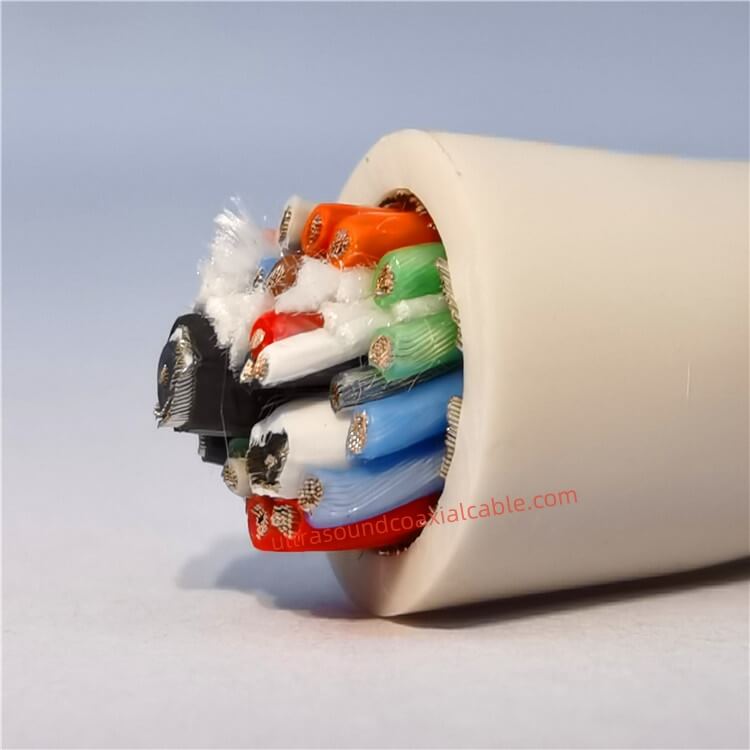
High-Precision 138-Core Medical Ultrasound Coaxial Cables | 0.2mm Ultra-Fine Biocompatible Design for Diagnostic Imaging Product Overview Engineered for advanced medical imaging systems, our 138-Core Medical Ultrasound Probe Coa.
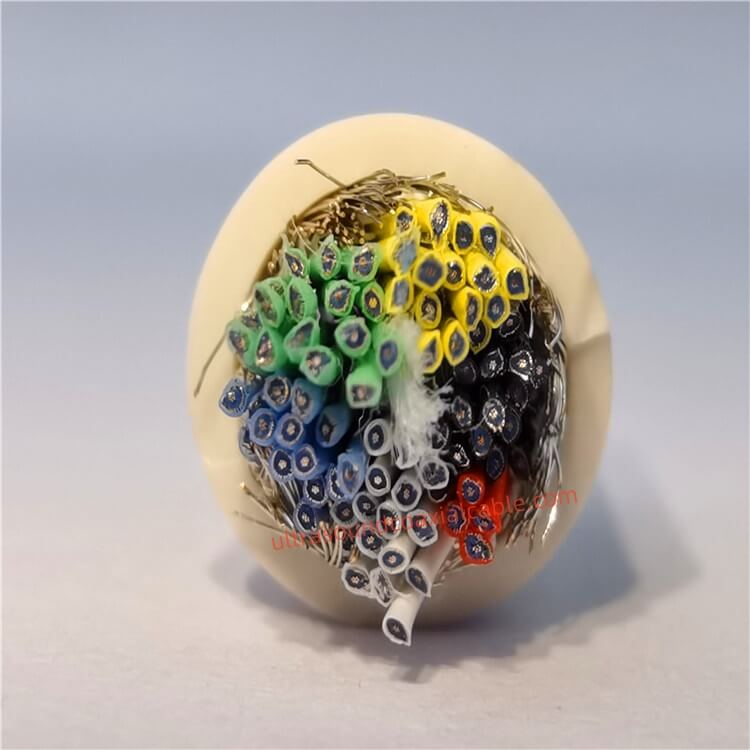
Product OverviewThe Ultrasound Coaxial Cable is a specialized cable engineered to deliver ultra-low signal loss, exceptional shielding, and unmatched durability in critical environments. Designed for medical imaging, industrial testi.
Feel free to reach out to us for any inquiries or orders.