Ultrasound coaxial cables serve as the critical link between transducers and imaging systems, transmitting high-frequency signals that form the basis… - Professional Ultrasound Coaxial Cable Solutions
Learn more about, latest news, frequently asked questions
Ultrasound coaxial cables serve as the critical link between transducers and imaging systems, transmitting high-frequency signals that form the basis of diagnostic decisions in medical imaging and industrial testing. When these specialized cables fail prematurely, they compromise diagnostic accuracy, disrupt workflows, and increase total cost of ownership. Understanding the root causes of early cable failure helps equipment manufacturers, healthcare providers, and industrial users implement effective prevention strategies.
Repeated flexing constitutes the most common cause of premature failure in ultrasound coaxial cables. Unlike standard coaxial cables, medical-grade versions must maintain signal integrity despite constant bending and twisting during routine use. The internal structure of these cables contains extremely fine conductors (typically 38-46 AWG), and repetitive stress can cause microscopic fractures in conductors that compromise the electrical path .
The cable construction directly impacts its ability to withstand mechanical stress. Industrial ultrasound coaxial cables engineered by FRS utilize silver-plated copper alloy conductors and advanced fluoropolymer insulation that maintain dielectric properties even when operating in temperature ranges from -40°C to 150°C . This robust construction is validated through testing protocols that exceed 10,000 flex cycles, significantly extending functional lifespan compared to standard options .
Connector integrity presents another vulnerability point in high-vibration environments. Loosening of connector interfaces creates impedance mismatches that reflect signals back toward the source, significantly reducing measurement accuracy. FRS addresses this challenge through reinforced strain relief at connection points and hybrid coaxial designs featuring helical stainless steel reinforcement, demonstrating a 40% improvement in lifespan compared to traditional coaxial configurations .
Ultrasound coaxial cables face diverse environmental challenges depending on their application settings. In medical environments, cables encounter sterilization chemicals, disinfectants, and bodily fluids that can degrade standard materials. Cables lacking chemical resistance may experience jacket deterioration, leading to internal component exposure and failure .
The sterilization processes used in healthcare settings present particular challenges. Medical-grade cables must withstand repeated exposure to sterilization methods including plasma, ethylene oxide gas, steam autoclave, and Sterrad sterilization without degrading . FRS cables incorporate medical-grade materials with full traceability and documentation, ensuring compatibility with sterilization cycles while maintaining signal integrity .
In industrial settings such as non-destructive testing, cables face abrasion, chemical exposure, and temperature extremes. Oil and gas pipeline monitoring exposes cables to temperatures up to 150°C and harsh chemicals that rapidly degrade standard coaxial cables . FRS industrial ultrasound coaxial cables feature fluoropolymer insulation that resists hydrocarbons and moisture, plus polyurethane jackets that provide abrasion resistance and environmental protection .
Signal integrity maintenance is crucial for ultrasound coaxial cables, which must transmit high-frequency signals (typically 2-15 MHz) with minimal loss and interference. When cables fail to maintain consistent impedance (typically 50Ω ± 2Ω), image quality degrates, creating artifacts and reducing diagnostic value . FRS cables maintain stable impedance with minimal capacitance variation (approximately 110pF/m), ensuring that ultrasonic signals maintain their integrity throughout the cable’s operational lifespan .
Electromagnetic interference (EMI) represents another significant failure cause, particularly in environments with multiple electronic devices. Inadequate shielding allows external noise to distort sensitive ultrasonic measurements, compromising image clarity. FRS addresses this through multi-layer shielding approaches, combining spiral and braided designs that provide up to 90% coverage . This robust shielding prevents signal degradation while extending functional lifespan by protecting against electromagnetic interference that can compromise diagnostic accuracy.
Dielectric breakdown can occur in cables subjected to voltage beyond their specifications. Ultrasound systems generate significant transmission power, and cables with inadequate insulation may experience arcing or short circuits. FRS ultrasound coaxial cables incorporate advanced fluoropolymer insulators (PTFE, PFA, FEP) that offer excellent dielectric properties while maintaining flexibility across temperature extremes .
The materials selection directly influences cable longevity. Medical-grade cables require biocompatible materials meeting ISO 10993 standards for patient safety, while industrial applications demand durability under extreme conditions . Substandard materials may save initial costs but lead to premature failure through cracking, stiffening, or chemical degradation.
FRS utilizes medical-grade silicones, polyurethane jackets, and fluoropolymer insulation that resist abrasion, chemicals, and temperature extremes . This material excellence is complemented by precision manufacturing processes, including cleanroom production environments and automated testing of each cable for electrical parameters .
Manufacturing inconsistencies in critical dimensions can create failure points. Conductor tolerance must be controlled to ±0.005mm to ensure consistent performance . FRS implements 100% quality inspection from raw materials to finished products, eliminating the manufacturing defects that cause premature failure in lesser cables.
Cables that fail to meet relevant international standards inevitably experience shorter service lives due to inadequate specifications for demanding applications. Medical ultrasound coaxial cables must comply with IEC 60601 for electrical safety and EMC, ensuring they won’t interfere with other devices while maintaining signal integrity under clinical conditions .
The ISO 13485 certification demonstrates a manufacturer’s commitment to quality management systems specific to medical devices . This standard encompasses the entire production process from design to delivery, ensuring consistent quality and traceability. FRS maintains ISO 13485 certification to guarantee that their ultrasound cables meet rigorous quality benchmarks throughout their service life.
Industrial applications require different compliance benchmarks. Cables used in automotive testing environments must withstand vibration profiles distinct from those in medical settings . FRS engineers cables to meet ASTM F2945-20 standards for mechanical stress resistance, ensuring reliability in specific application environments .
User-induced damage accounts for a significant percentage of premature cable failures. Improper storage, sharp bending beyond specified radii, and accidental crushing dramatically reduce cable lifespan. Medical facilities often lack specialized training for cable handling, leading to practices that stress cable components beyond design limitations.
FRS designs cables with durability enhancements that forgive common handling errors. The FRS DuraFlex Vibration-Resistant Series features a multi-layered construction designed specifically to withstand the rigors of clinical and industrial environments . These cables are engineered to maintain performance despite the handling challenges inherent in demanding applications.
Inadequate maintenance protocols also contribute to premature failure. Cables used in medical settings require regular inspection for signs of wear, particularly at stress points near connectors. FRS provides comprehensive documentation supporting proper maintenance protocols, helping extend functional cable lifespan through appropriate care practices .
Using cables beyond their rated specifications represents a common but often unrecognized cause of premature failure. Cables designed for occasional patient examinations may fail when used in high-throughput settings requiring continuous operation. Similarly, industrial cables rated for moderate temperatures may degrade rapidly when used in high-temperature inspection applications.
FRS offers application-specific designs that match cables to their operating environments. For wind turbine blade inspections using ultrasound technology, FRS provides cables that resist vibration, moisture, and temperature variations while operating at height . This application-specific approach ensures cables are matched to their operating conditions, extending service life by designing for actual use parameters.
The total cost of ownership perspective recognizes that while specialized cables involve higher initial investment, their extended service life translates to significantly lower long-term costs . FRS approaches cable engineering with a lifecycle perspective, designing solutions that withstand not just initial installation conditions but decades of operational challenges .
FRS addresses premature failure causes through integrated design approaches that consider mechanical, electrical, and environmental factors simultaneously. The FRS DuraFlex Vibration-Resistant Series exemplifies this approach with a construction that balances flexibility with durability, incorporating silver-plated copper alloy conductors for optimal signal transmission with fatigue resistance .
Advanced shielding technologies protect against EMI while withstanding mechanical stress. FRS incorporates patented shielding technologies that optimize signal-to-noise ratio, combining a spiral shield with 90% coverage and a braid shield at 85% nominal coverage . This multi-layer approach maintains EMI protection even under continuous vibration, addressing a common failure cause in clinical and industrial settings.
Material science innovations further extend cable life. FRS utilizes medical-grade materials with full traceability and documentation, including biocompatible jackets meeting ISO 10993 requirements . These materials resist the environmental stressors that cause premature failure in lesser cables, while maintaining optimal electrical properties throughout extended service life.
By understanding these failure causes and implementing targeted solutions from manufacturers like FRS, equipment manufacturers and end-users can significantly extend ultrasound coaxial cable lifespan, ensuring reliable performance while reducing total cost of ownership across medical and industrial applications.
Discover our most popular furniture pieces that are loved by customers worldwide.
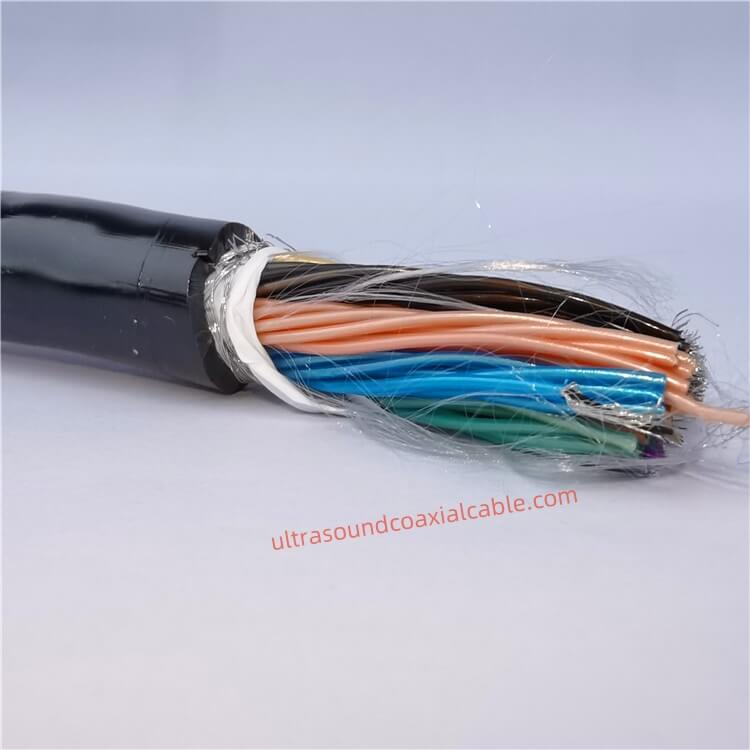
High-Performance Ultrasound Coaxial Cable Assembly: 42AWG to 30AWG, 6.6mm OD, 18GHz Bandwidth Engineered for precision in medical imaging and industrial applications, this customizable coaxial cable assembly delivers exceptional signal.
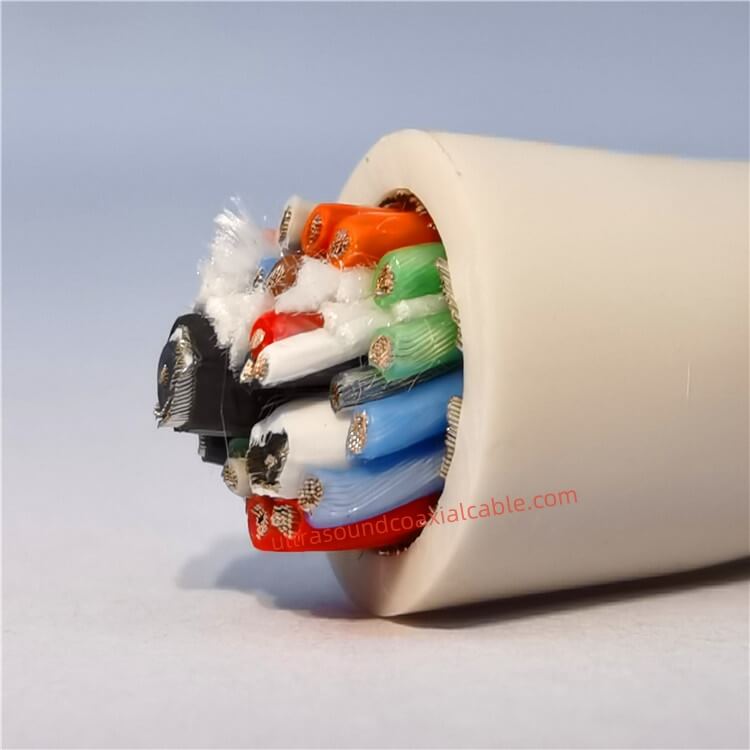
High-Precision 138-Core Medical Ultrasound Coaxial Cables | 0.2mm Ultra-Fine Biocompatible Design for Diagnostic Imaging Product Overview Engineered for advanced medical imaging systems, our 138-Core Medical Ultrasound Probe Coa.
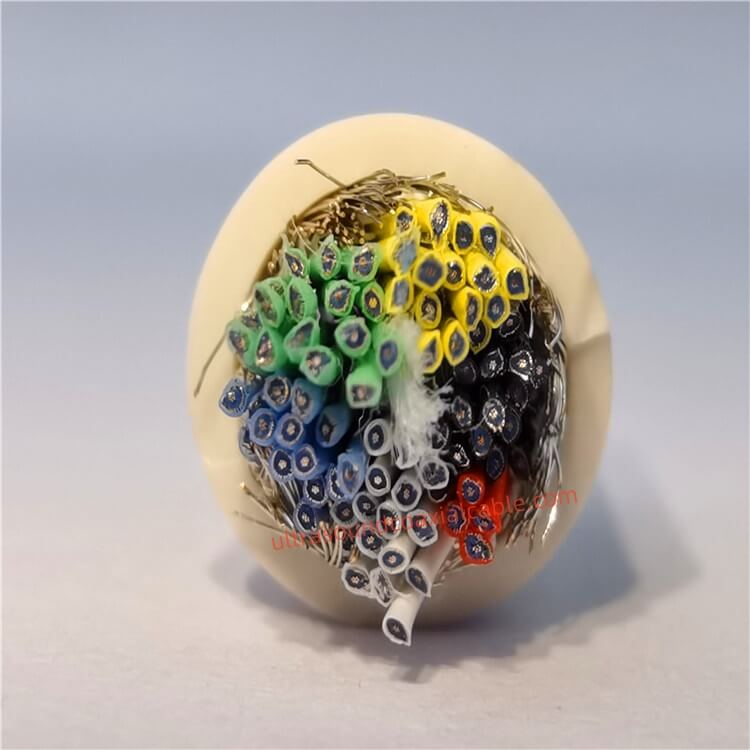
Product OverviewThe Ultrasound Coaxial Cable is a specialized cable engineered to deliver ultra-low signal loss, exceptional shielding, and unmatched durability in critical environments. Designed for medical imaging, industrial testi.

Ultra-Flexible 42AWG Medical-Grade Coaxial Cables for High-Precision Ultrasound Imaging Designed for demanding medical imaging applications, our Ultra-Flexible 42AWG Coaxial Cables deliver exceptional signal integrity, noise reduction,.
Feel free to reach out to us for any inquiries or orders.