Key Performance Requirements for Medical Ultrasound Coaxial Cable in High-Resolution Ultrasound Equipment Introduction and Executive Summary Medical ultrasound coaxial cables… - Professional Ultrasound Coaxial Cable Solutions
Learn more about, latest news, frequently asked questions
Medical ultrasound coaxial cables serve as the critical lifeline between ultrasound transducers and imaging systems, transmitting high-frequency signals that form the basis of diagnostic imaging. In high-resolution ultrasound equipment, these cables must meet exceptionally stringent performance requirements to ensure image clarity, diagnostic accuracy, and patient safety. The global ultrasound coaxial cable market is experiencing robust growth, driven by technological advancements in medical imaging and the increasing adoption of portable ultrasound devices across healthcare facilities worldwide.
High-resolution ultrasound systems demand coaxial cables with ultra-low signal loss characteristics. Premium medical-grade cables must maintain attenuation below 0.5 dB/m at 50MHz, ensuring minimal signal degradation over transmission distances. This level of performance is achieved through high-purity copper conductors and advanced dielectric materials that preserve signal integrity throughout the cable’s operational lifespan.
Standard 50Ω or 75Ω impedance matching is essential for compatibility with ultrasound probes, transducers, and diagnostic equipment. Modern high-resolution systems require cables capable of handling frequency ranges from 1MHz to 100MHz, with some advanced applications extending into higher frequency bands. Proper impedance matching prevents signal reflections that can degrade image quality and introduce artifacts.
Electromagnetic interference (EMI) and radio frequency interference (RFI) pose significant challenges in medical environments filled with electronic equipment. Medical ultrasound coaxial cables must feature triple-layer shielding combining braided copper, foil, and dielectric insulation to achieve 90%+ shielding efficiency. This multi-layer approach effectively blocks external noise while maintaining signal purity, crucial for accurate diagnostic imaging.
Cables designed for high-resolution ultrasound applications must utilize materials that meet stringent medical standards. Silicone or polyurethane (PUR) outer jackets provide chemical resistance, abrasion resistance, and compatibility with repeated sterilization cycles. Autoclavable options capable of withstanding temperatures up to 135°C are essential for medical applications requiring frequent sterilization.
Medical ultrasound coaxial cables must operate reliably across a wide temperature range, typically from -40°C to +125°C for industrial-grade models. This thermal stability ensures consistent performance during sterilization processes and in various clinical environments. The cables must also resist degradation from exposure to cleaning agents, bodily fluids, and other chemicals commonly encountered in medical settings.
Medical ultrasound coaxial cables must comply with multiple international standards to ensure patient safety and device reliability. Key certifications include:
Leading manufacturers like FRS maintain comprehensive quality management systems certified under ISO 9001, IATF 16949, and ISO 14001 standards. These certifications demonstrate a commitment to manufacturing excellence, traceability, and continuous improvement throughout the production process.
The ultrasound coaxial cable market is experiencing significant growth, with the Asia-Pacific region showing particularly strong expansion at approximately 12.5% CAGR. This growth is driven by increasing healthcare infrastructure development, rising prevalence of chronic diseases requiring diagnostic imaging, and technological advancements in medical ultrasound technology.
Medical ultrasound coaxial cables serve multiple critical applications:
Medical Imaging & Diagnostics: Connecting ultrasound probes to consoles for obstetrics, cardiology, oncology, and general diagnostic imaging. These cables must be compatible with leading systems from manufacturers like Philips, GE Healthcare, and Siemens.
Industrial Testing & NDT: Transmitting ultrasound signals for flaw detection in pipelines, aerospace components, and welds. Industrial applications demand cables with enhanced durability and environmental resistance.
Scientific Research: Supporting high-precision signal transfer in acoustic studies, material analysis, and sonar systems where signal integrity is paramount.
Advanced ultrasound coaxial cables incorporate several key innovations:
Miniaturization: Development of ultra-thin cables with diameters as small as 0.2mm for minimally invasive procedures and portable ultrasound devices. These micro-coaxial cables maintain performance while reducing size and weight.
Flexibility: Enhanced flexibility through fluoropolymer insulation technologies that offer 20% higher flexibility compared to previous generations, addressing ergonomic needs during prolonged examinations.
High Channel Counts: Advanced systems now utilize 138-core or higher configurations to support higher resolution imaging capabilities, requiring cables with precise impedance control and minimal crosstalk.
Leading manufacturers offer extensive customization options including:
Problem: Signal loss increases with cable aging, leading to degraded image quality and reduced diagnostic accuracy.
Solution: Implementation of high-purity copper conductors and advanced dielectric materials that maintain signal integrity throughout the cable’s operational lifespan. Regular testing and preventive maintenance protocols help identify degradation before it impacts clinical performance.
Problem: Repeated bending, twisting, and sterilization cycles can lead to cable failure and signal loss.
Solution: Use of reinforced shielding and bend-resistant cores designed for harsh conditions. Medical-grade silicone jackets provide enhanced durability while maintaining flexibility. Proper cable management techniques and training for clinical staff can significantly extend cable lifespan.
Problem: Medical environments contain multiple sources of EMI that can interfere with ultrasound signals.
Solution: Triple-layer shielding technology combining braided copper, foil, and dielectric insulation to achieve 90%+ shielding efficiency. Proper cable routing and separation from other electrical equipment further reduces interference risks.
Problem: Frequent sterilization cycles can damage cable materials and degrade performance.
Solution: Development of autoclave-safe cables capable of withstanding temperatures up to 135°C. Medical-grade materials resistant to alcohol and IPA cleaning ensure long-term reliability in clinical settings.
Established manufacturers like FRS leverage over 20 years of manufacturing experience in ultra-fine ultrasound coaxial cable production. These companies maintain ISO-certified facilities with full-process digital management systems, achieving product yield rates exceeding 99.8%.
Strategic partnerships with leading connector brands and material suppliers ensure access to premium components and competitive pricing. Global logistics networks enable reliable shipping to North America, Europe, and Asia-Pacific markets, supporting medical device manufacturers worldwide.
Manufacturers provide comprehensive engineering support from initial design consultation through mass production. This includes material selection guidance, impedance optimization, and custom connector configurations tailored to specific application requirements. Technical teams collaborate with customers to optimize cable performance for their unique imaging systems.
The adoption of higher-frequency ultrasound technologies continues to drive demand for cables with superior performance characteristics. These applications require cables with enhanced bandwidth capabilities and reduced signal loss at elevated frequencies.
The growth of point-of-care diagnostics and portable ultrasound devices creates demand for smaller, more flexible cables that maintain performance in compact form factors. Miniaturization technologies enable the development of ultra-thin cables suitable for next-generation portable systems.
Emerging technologies include cables with integrated sensors for real-time performance monitoring, predictive maintenance capabilities, and enhanced diagnostic features. These innovations help healthcare providers optimize equipment utilization and reduce downtime.
Medical ultrasound coaxial cables represent a critical component in high-resolution ultrasound equipment, directly impacting diagnostic accuracy, patient safety, and clinical workflow efficiency. By understanding the key performance requirements—including signal integrity, shielding effectiveness, material durability, and regulatory compliance—medical device manufacturers and healthcare providers can make informed decisions that enhance system performance and reliability. As technology continues to advance, the demand for high-performance coaxial cables will only increase, driving innovation and excellence throughout the medical imaging industry.
Discover our most popular furniture pieces that are loved by customers worldwide.
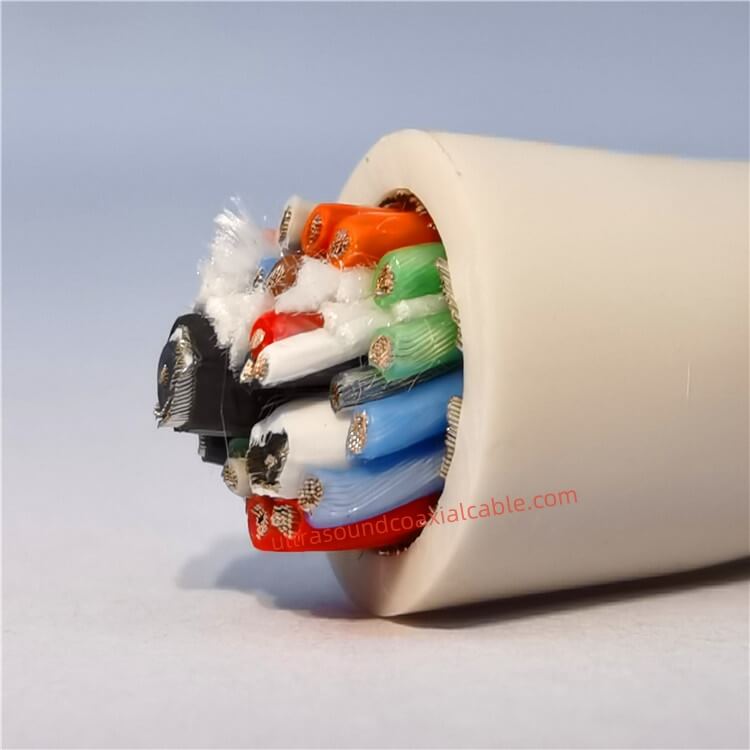
High-Precision 138-Core Medical Ultrasound Coaxial Cables | 0.2mm Ultra-Fine Biocompatible Design for Diagnostic Imaging Product Overview Engineered for advanced medical imaging systems, our 138-Core Medical Ultrasound Probe Coa.
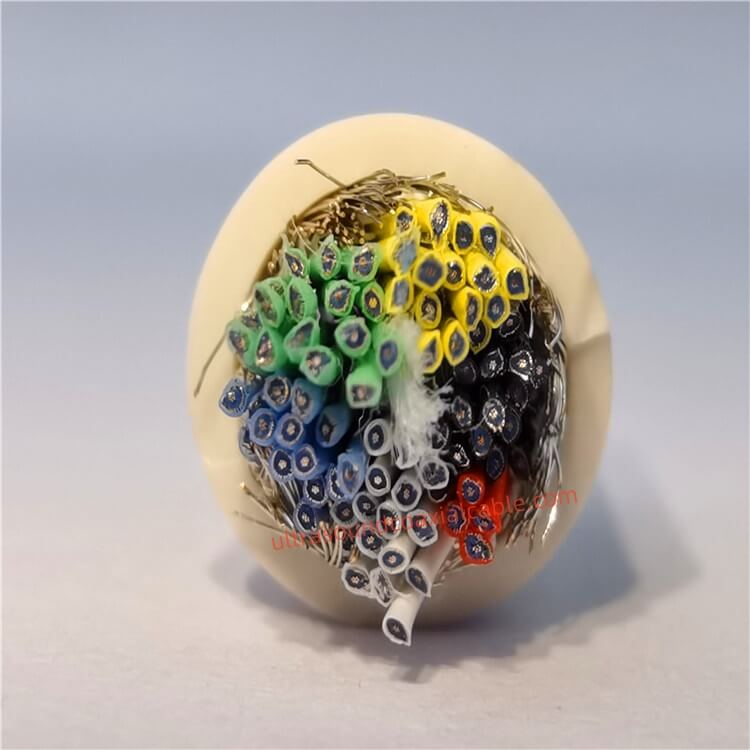
Product OverviewThe Ultrasound Coaxial Cable is a specialized cable engineered to deliver ultra-low signal loss, exceptional shielding, and unmatched durability in critical environments. Designed for medical imaging, industrial testi.

Ultra-Flexible 42AWG Medical-Grade Coaxial Cables for High-Precision Ultrasound Imaging Designed for demanding medical imaging applications, our Ultra-Flexible 42AWG Coaxial Cables deliver exceptional signal integrity, noise reduction,.
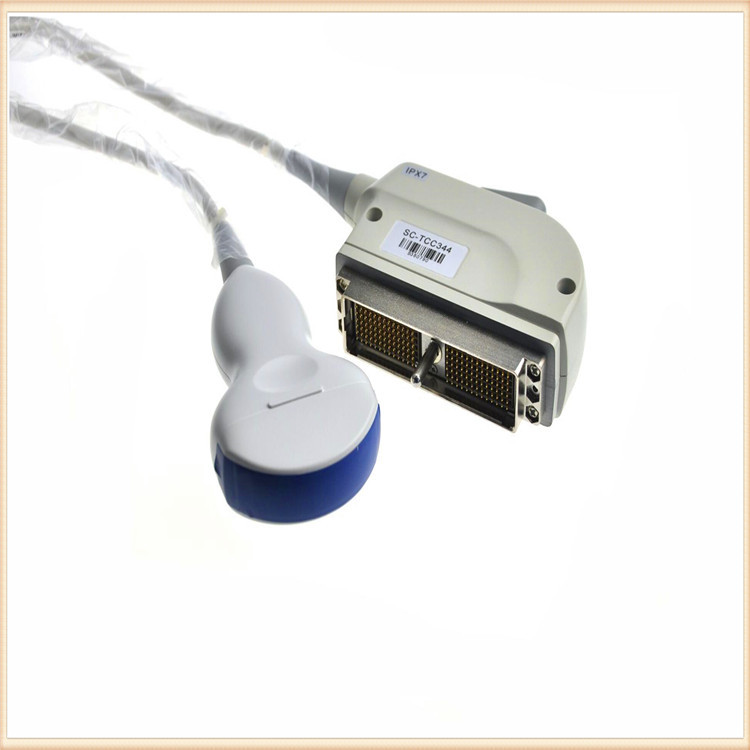
High-Performance Military Ultrasound Coaxial Cables: Built for Extreme Conditions Designed to meet the demanding requirements of military, aerospace, and medical applications, our Military-Grade Ultrasound Coaxial Cables deliver except.
Feel free to reach out to us for any inquiries or orders.