How to prevent signal loss in ultrasound coaxial cables? | High-Quality Ultrasound Coaxial Cable | ultrasound coaxial cable Manufacturer & Factory-FRS

How to prevent signal loss in ultrasound coaxial cables?

Title: Maintaining Signal Integrity in Ultrasound Coaxial Cables: A Comprehensive Guide​ Ultrasound coaxial cables are critical components in medical imaging,… - Professional Ultrasound Coaxial Cable Solutions

Information

Learn more about, latest news, frequently asked questions

Title: Maintaining Signal Integrity in Ultrasound Coaxial Cables: A Comprehensive Guide

Ultrasound coaxial cables are critical components in medical imaging, industrial diagnostics, and precision communication systems. These cables transmit high-frequency signals with minimal distortion, but signal loss can compromise accuracy and performance. Whether you’re troubleshooting inconsistent readings or aiming to optimize long-term reliability, here’s how to safeguard your ultrasound coaxial cables and ensure peak functionality.


1. Understand the Root Causes of Signal Loss

Signal degradation in coaxial cables often stems from three key factors:

  • Impedance Mismatch: Even minor mismatches between cable impedance (typically 50Ω or 75Ω) and connected devices can cause reflections, weakening the signal. For ultrasound applications, mismatched impedance disrupts the delicate balance required for high-resolution imaging .
  • External Interference: Electromagnetic interference (EMI) from nearby machinery, power lines, or wireless devices corrupts signal clarity. Shielded cables are essential, but improper grounding or damaged shielding can negate their effectiveness .
  • Physical Damage: Bent cables, cracked connectors, or worn insulation expose internal conductors to air and contaminants, increasing resistance and signal leakage .

2. Installation Best Practices for Longevity

Proper handling during installation can prevent 80% of signal loss issues. Follow these steps:

A. Minimize Cable Stress

  • Avoid Sharp Bends: Use a minimum bend radius of 5× the cable diameter. Sharp kinks strain the center conductor and disrupt shielding integrity .
  • Secure Properly: Use adhesive cable ties or clamps to anchor cables away from high-traffic areas. Loose cables vibrate under mechanical stress, accelerating wear .

B. Optimize Routing

  • Separate Power and Signal Lines: Keep ultrasound cables at least 12 inches away from power cables to reduce inductive coupling .
  • Elevate in Hostile Environments: In industrial settings, route cables above machinery to avoid oil spills or physical abrasion .

C. Precision Connector Handling

  • Use High-Quality Connectors: Soldered SMA or BNC connectors ensure low-resistance connections. Crimp connectors are prone to oxidation and signal leakage .
  • Torque to Specification: Over-tightening damages threads, while under-tightening creates gaps. Follow manufacturer torque guidelines (e.g., 8–12 in-lbs for SMA).

3. Selecting the Right Cable for Ultrasound Applications

Not all coaxial cables are created equal. Prioritize these features:

  • Low Loss Dielectric: Polyethylene (PE) or fluorinated ethylene propylene (FEP) insulators minimize signal attenuation at MHz frequencies .
  • Dual Shielding: Braided copper combined with foil shielding rejects 95%+ of EMI, crucial for environments with MRI machines or radio transmitters .
  • Flexible Construction: For portable ultrasound devices, choose cables with helically wound shielding to balance durability and maneuverability .

FRS Advantage: Our FRS-MicroCoax series uses a quad-shield design with 99.99% pure copper braid, achieving <0.15 dB/ft attenuation at 1 GHz—ideal for high-frequency ultrasound probes.


4. Maintenance and Troubleshooting Tips

Regular upkeep extends cable lifespan and ensures consistent performance:

A. Visual Inspections

  • Check for cracked insulation, bent connectors, or corrosion. Replace cables with frayed shielding immediately.
  • Use a multimeter to test continuity. Infinite resistance indicates broken conductors .

B. Signal Testing

  • Time-Domain Reflectometry (TDR)​: Pinpoints faults locations by analyzing signal reflections. A spike at 50% of the cable length suggests a midpoint break .
  • Spectrum Analyzers: Monitor noise floors to detect EMI ingress. Spikes above -90 dBm warrant shielding upgrades .

C. Environmental Adaptations

  • Humidity Control: In humid labs, apply silicone grease to connectors to repel moisture.
  • UV Protection: Outdoor cables benefit from UV-resistant jackets to prevent cracking.

5. When to Upgrade: Signs Your Cable Needs Replacement

Even well-maintained cables degrade over time. Replace if you notice:

  • Persistent signal dropout (>5% fluctuation).
  • Increased noise during high-gain scans.
  • Physical deformation (e.g., flattened shielding).

FRS Solution: Our FRS-UltraFlex cables feature a self-healing gel that restores insulation integrity after minor abrasions, reducing replacement frequency by 40%.


Conclusion: Protect Your Investment with Proactive Care

Ultrasound coaxial cables are the unsung heroes of diagnostic accuracy. By understanding signal loss mechanisms, adhering to installation best practices, and investing in high-performance cables like those from ​FRS, you can maintain system reliability and achieve crystal-clear imaging. Whether in a bustling hospital or a rugged industrial site, proactive maintenance and smart choices ensure your equipment delivers year after year.

Trust FRS for Unmatched Signal Integrity
Explore our specialized ultrasound coaxial cables and connectors—engineered to eliminate signal loss and elevate your diagnostic precision.


Keywords integrated: ultrasound coaxial cable, signal loss prevention, shielded cables, impedance matching, EMI protection, FRS cables, medical imaging solutions.

Hot Selling Products

Discover our most popular furniture pieces that are loved by customers worldwide.
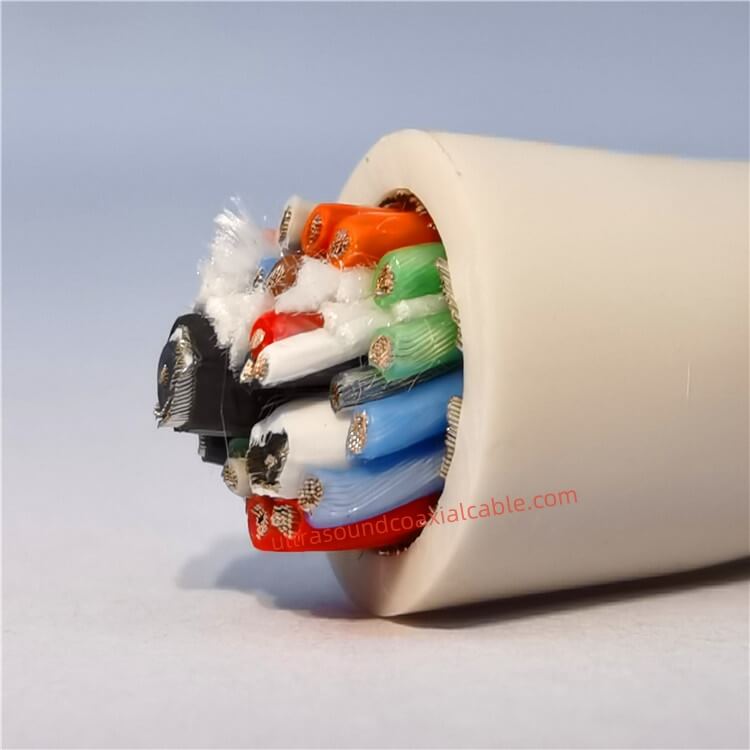
138-Core Medical Ultrasound Probe Coaxial Cable with 0.2mm Diameter – Biocompatible & FDA-Certified

138-Core Medical Ultrasound Probe Coaxial Cable with 0.2mm Diameter – Biocompatible & FDA-Certified

High-Precision 138-Core Medical Ultrasound Coaxial Cables | 0.2mm Ultra-Fine Biocompatible Design for Diagnostic Imaging Product Overview Engineered for advanced medical imaging systems, our 138-Core Medical Ultrasound Probe Coa.

Ultra-Flexible Coaxial Cable for Ultrasound Transducers – 44AWG, 0.15dB/m Attenuation at 1GHz

Ultra-Flexible Coaxial Cable for Ultrasound Transducers – 44AWG, 0.15dB/m Attenuation at 1GHz

High-Performance Flexible Coaxial Cable for Medical Imaging & Ultrasound Systems Designed for demanding applications in medical imaging, industrial diagnostics, and high-frequency signal transmission, this ultra-flexible coaxial ca.
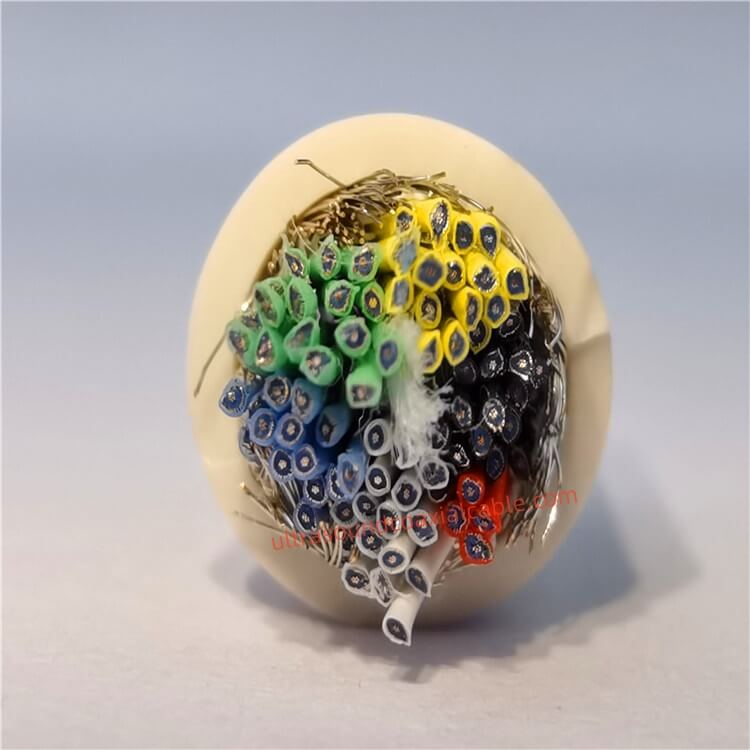
Ultrasound Coaxial Cable|High-Performance Signal Transmission for Precision Applications

Ultrasound Coaxial Cable|High-Performance Signal Transmission for Precision Applications

‌‌Product Overview‌The ‌Ultrasound Coaxial Cable‌ is a specialized cable engineered to deliver ultra-low signal loss, exceptional shielding, and unmatched durability in critical environments. Designed for medical imaging, industrial testi.

High-Precision Ultrasound Coaxial Cable for Medical Imaging – Low Noise, Flexible Design, 42AWG

High-Precision Ultrasound Coaxial Cable for Medical Imaging – Low Noise, Flexible Design, 42AWG

Ultra-Flexible 42AWG Medical-Grade Coaxial Cables for High-Precision Ultrasound Imaging Designed for demanding medical imaging applications, our Ultra-Flexible 42AWG Coaxial Cables deliver exceptional signal integrity, noise reduction,.

Contact Us

Feel free to reach out to us for any inquiries or orders.

Call Us

Have a question? Give us a call!

                   +8618818785005(Whatsapp)

Email Us

Send us an email and we'll get back to you soon.

sales@custom-cable-assemblies.com
       
Home Products Contact