Ensuring Signal Integrity in Ultrasound Coaxial Cables: A Comprehensive Guide Ultrasound coaxial cables are critical components in medical imaging, industrial… - Professional Ultrasound Coaxial Cable Solutions
Learn more about, latest news, frequently asked questions
Ensuring Signal Integrity in Ultrasound Coaxial Cables: A Comprehensive Guide
Ultrasound coaxial cables are critical components in medical imaging, industrial diagnostics, and telecommunications. Signal degradation in these cables can lead to distorted data transmission, compromised equipment performance, and costly downtime. Whether you’re a medical device manufacturer, a hospital technician, or an industrial engineer, understanding how to identify and address signal loss is essential. This guide explores practical methods to check for signal degradation in ultrasound coaxial cables, empowering you to maintain system reliability and optimize operational efficiency.
Ultrasound coaxial cables transmit high-frequency signals with precision. Over time, factors like physical wear, environmental exposure, or improper handling can degrade signal quality. Common issues include:
Before diving into technical tests, conduct a thorough visual check:
Example: A frayed shield in an ultrasound probe cable can introduce noise, degrading image resolution.
Use a multimeter or continuity tester to confirm unbroken signal paths:
Tip: Intermittent faults? Test while flexing the cable to pinpoint breakage.
For precise diagnostics, employ specialized tools:
Case Study: A hospital using FRS’ ULS130 micro-coaxial cables reduced signal loss by 40% after TDR testing revealed a 50Ω impedance mismatch.
High return loss indicates poor impedance matching. Use a network analyzer to:
Best Practice: FRS’ cables are engineered for 50Ω impedance, minimizing return loss in critical applications.
Simulate real-world conditions to uncover hidden vulnerabilities:
Application: Surgical ultrasound cables require waterproofing to prevent signal degradation in sterile environments.
| Issue | Detection Method | Mitigation Strategy |
|---|---|---|
| Connector Corrosion | Visual Inspection | Replace with FRS’ IP67-rated connectors |
| Shielding Damage | TDR Analysis | Use braided shielding cables (FRS’ ULS130) |
| Impedance Mismatch | Network Analyzer | Install impedance-matching transformers |
| Environmental Wear | Stress Testing | Opt for FSR’s military-grade, UV-resistant cables |
At FRS Coaxial Solutions, we specialize in manufacturing high-performance cables tailored for ultrasound and critical applications. Our products stand out with:
Why Choose FRS?
Signal degradation in ultrasound coaxial cables can disrupt operations and compromise safety. By combining visual inspections, continuity tests, and advanced tools like TDRs, you can identify issues early and implement targeted solutions. For organizations prioritizing reliability, partnering with a certified manufacturer like FRS ensures access to cutting-edge cables designed to meet the demands of modern technology.
Ready to elevate your signal integrity? Explore FRS’ ultrasound coaxial cables today and experience unmatched performance.
FRS Coaxial Solutions – Precision Engineered, Reliability Guaranteed.
Contact us for a free sample or consultation
Discover our most popular furniture pieces that are loved by customers worldwide.
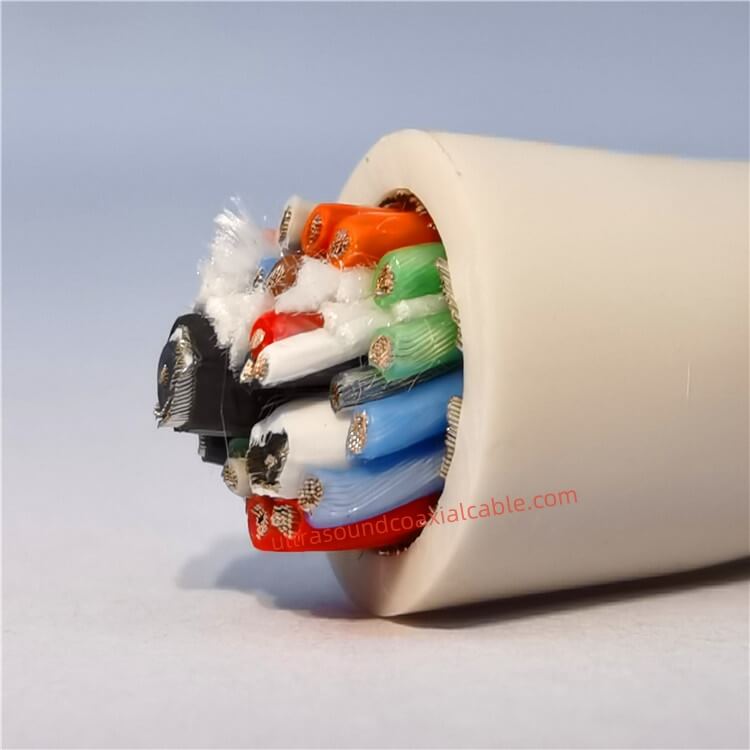
High-Precision 138-Core Medical Ultrasound Coaxial Cables | 0.2mm Ultra-Fine Biocompatible Design for Diagnostic Imaging Product Overview Engineered for advanced medical imaging systems, our 138-Core Medical Ultrasound Probe Coa.

High-Performance Flexible Coaxial Cable for Medical Imaging & Ultrasound Systems Designed for demanding applications in medical imaging, industrial diagnostics, and high-frequency signal transmission, this ultra-flexible coaxial ca.
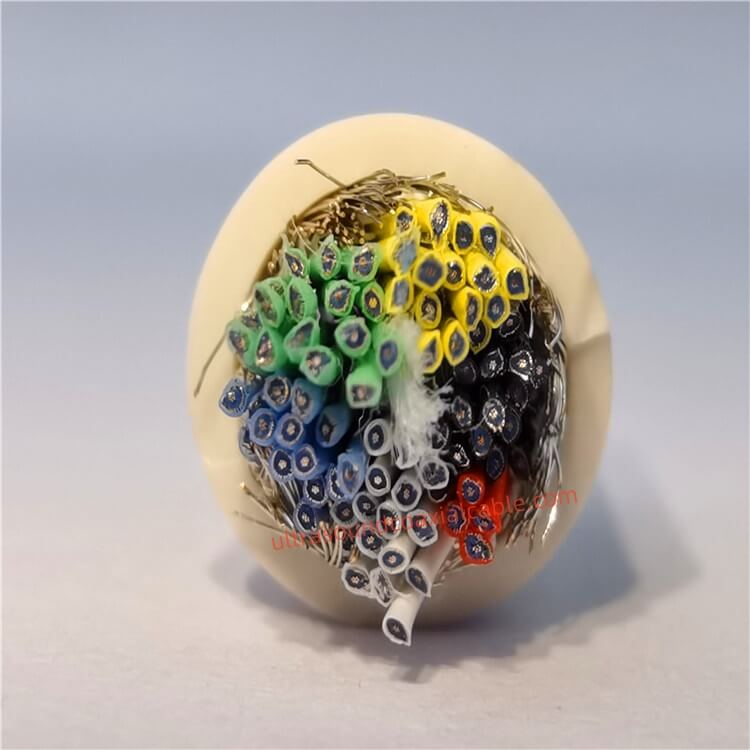
Product OverviewThe Ultrasound Coaxial Cable is a specialized cable engineered to deliver ultra-low signal loss, exceptional shielding, and unmatched durability in critical environments. Designed for medical imaging, industrial testi.

Ultra-Flexible 42AWG Medical-Grade Coaxial Cables for High-Precision Ultrasound Imaging Designed for demanding medical imaging applications, our Ultra-Flexible 42AWG Coaxial Cables deliver exceptional signal integrity, noise reduction,.
Feel free to reach out to us for any inquiries or orders.