How Environmental Factors Shape the Performance of Ultrasound Coaxial Cables Ultrasound coaxial cables are critical components in medical imaging, industrial… - Professional Ultrasound Coaxial Cable Solutions
Learn more about, latest news, frequently asked questions
How Environmental Factors Shape the Performance of Ultrasound Coaxial Cables
Ultrasound coaxial cables are critical components in medical imaging, industrial testing, and aerospace systems, where precise signal transmission is non-negotiable. However, their performance is highly sensitive to environmental conditions. Let’s explore how factors like temperature, humidity, vibration, and electromagnetic interference impact these cables—and how modern designs address these challenges.
Temperature fluctuations can drastically alter the electrical and mechanical properties of coaxial cables.
Product Highlight: Modern ultrasound coaxial cables employ multi-layer shielding and thermally stable dielectrics to withstand temperatures ranging from -200°C to 200°C, making them ideal for MRI-guided procedures or automotive engine inspections.
Water ingress is a major threat to coaxial cable integrity. Moisture can seep into the dielectric layer, causing:
Solutions:
Case Study: Medical probes used in laparoscopic surgery require cables that endure repeated sterilization (steam/humidity). Cables with IP68-rated connectors and hydrophobic coatings ensure longevity in humid environments.
Ultrasound systems in robotics or handheld devices demand cables that survive constant movement.
Innovation: Flexible coaxial designs, like ultra-thin 46 AWG cables, combine stranded conductors and spiral shields to withstand millions of flex cycles without performance degradation.
EMI from nearby motors, radio transmitters, or power lines induces noise in coaxial cables, distorting ultrasound signals.
Application: In crowded RF environments like airports, EMI-resistant coaxial cables with ferrite cores suppress high-frequency noise, ensuring clear imaging in ultrasonic baggage scanners.
Harsh chemicals in industrial or medical settings can corrode cable components.
Example: Ultrasound systems in oil refineries use coaxial cables with stainless-steel overbraids to survive exposure to corrosive gases and abrasive particulates.
Environmental factors are relentless, but advancements in materials science and precision engineering have transformed ultrasound coaxial cables into robust, adaptable solutions. Whether it’s a cable surviving the vacuum of space, the humidity of an operating room, or the vibrations of a factory floor, modern designs prioritize signal integrity, durability, and ease of integration. By understanding these challenges, engineers and technicians can select cables that not only meet today’s demands but also adapt to tomorrow’s innovations.
In short: A great ultrasound coaxial cable isn’t just about specs—it’s about thriving wherever it’s needed, from the depths of the ocean to the edge of the atmosphere.
Discover our most popular furniture pieces that are loved by customers worldwide.

Ultra-Flexible 42AWG Medical-Grade Coaxial Cables for High-Precision Ultrasound Imaging Designed for demanding medical imaging applications, our Ultra-Flexible 42AWG Coaxial Cables deliver exceptional signal integrity, noise reduction,.
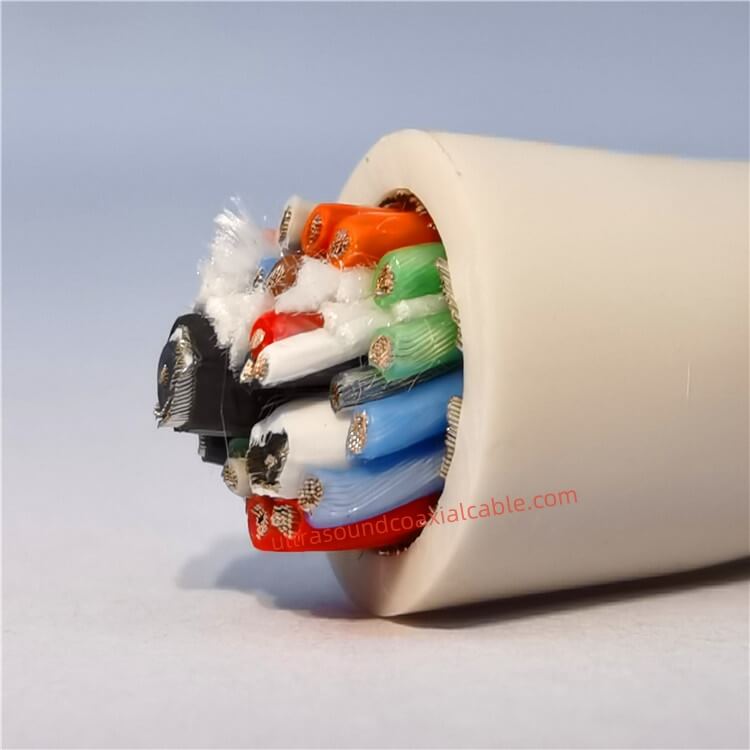
High-Precision 138-Core Medical Ultrasound Coaxial Cables | 0.2mm Ultra-Fine Biocompatible Design for Diagnostic Imaging Product Overview Engineered for advanced medical imaging systems, our 138-Core Medical Ultrasound Probe Coa.
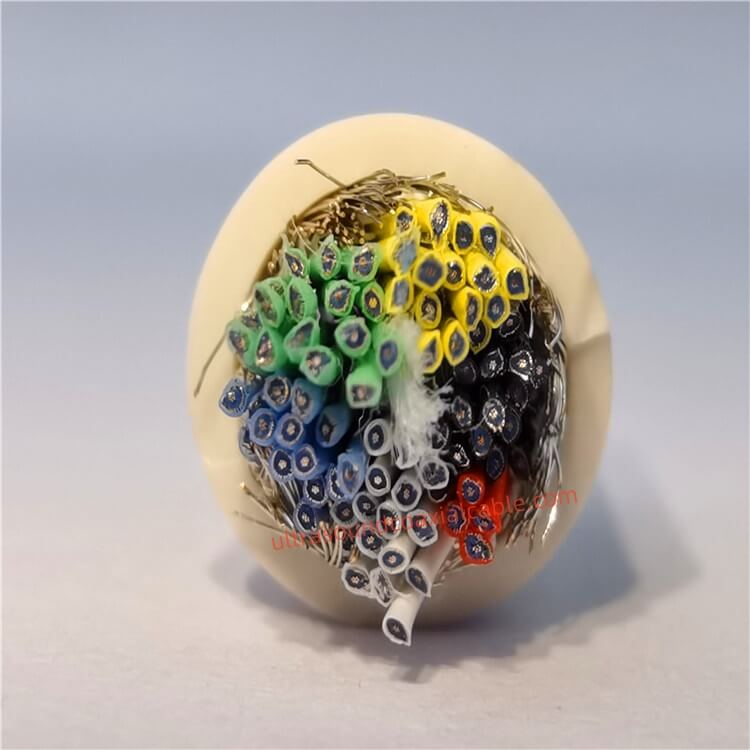
Product OverviewThe Ultrasound Coaxial Cable is a specialized cable engineered to deliver ultra-low signal loss, exceptional shielding, and unmatched durability in critical environments. Designed for medical imaging, industrial testi.
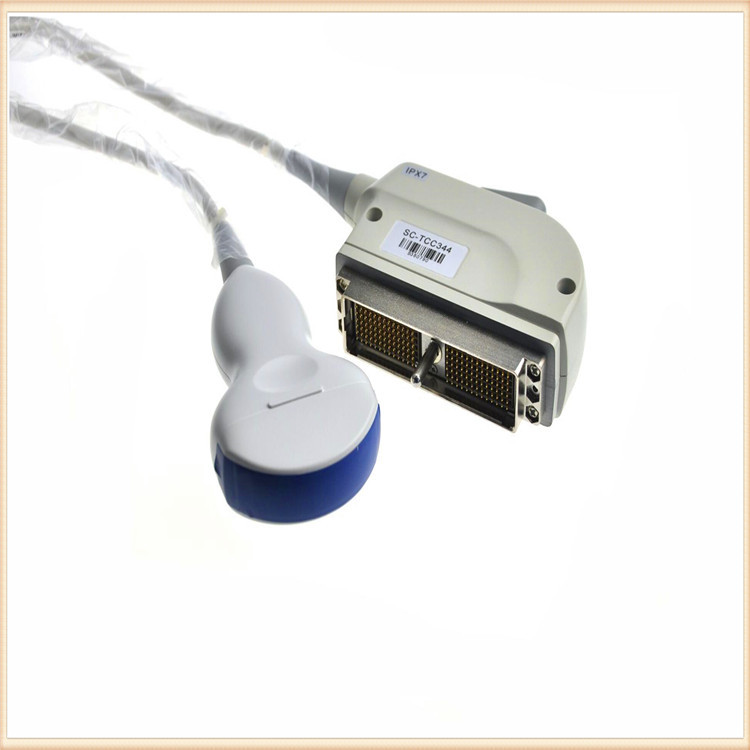
High-Performance Military Ultrasound Coaxial Cables: Built for Extreme Conditions Designed to meet the demanding requirements of military, aerospace, and medical applications, our Military-Grade Ultrasound Coaxial Cables deliver except.
Feel free to reach out to us for any inquiries or orders.