How Are Ultrasound Coaxial Cables Sterilized in Medical Settings?​​ | High-Quality Ultrasound Coaxial Cable | ultrasound coaxial cable Manufacturer & Factory-FRS

How Are Ultrasound Coaxial Cables Sterilized in Medical Settings?​​

Ultrasound coaxial cables are critical components in medical imaging and diagnostic systems, enabling high-frequency signal transmission for procedures ranging from… - Professional Ultrasound Coaxial Cable Solutions

Information

Learn more about, latest news, frequently asked questions

Ultrasound coaxial cables are critical components in medical imaging and diagnostic systems, enabling high-frequency signal transmission for procedures ranging from routine abdominal scans to complex interventional therapies. However, their repeated use in clinical environments demands stringent sterilization protocols to prevent cross-contamination and ensure patient safety. In this comprehensive guide, we explore the most effective sterilization methods for ultrasound coaxial cables, industry standards, and best practices for maintaining their performance and longevity.


1. Understanding the Challenges of Sterilizing Ultrasound Coaxial Cables

Ultrasound coaxial cables consist of a central conductor, insulation layers, shielding, and an outer jacket. These materials must withstand rigorous cleaning and disinfection without degrading structural integrity or signal accuracy. Key challenges include:

  • Material Sensitivity: Many cables contain heat-sensitive polymers or delicate shielding that can warp or corrode under high temperatures.
  • Complex Geometry: Cables often have flexible, coiled designs that trap debris, making thorough cleaning difficult.
  • Regulatory Compliance: Medical devices must adhere to standards like ISO 13485, AAMI ST58, and FDA guidelines for sterilization and reuse.

2. Key Sterilization Methods for Ultrasound Coaxial Cables

A. High-Level Disinfection (HLD)​

For semi-critical devices (e.g., endocavitary probes), HLD is mandatory. Common methods include:

  • Chemical Disinfectants: Solutions like 2% glutaraldehyde or 70% isopropyl alcohol (IPA) are applied via spray or immersion. IPA is preferred for its rapid evaporation and residue-free cleaning but must be used cautiously to avoid damaging cable jackets .
  • Electrolyzed Water: A newer eco-friendly option that generates oxidizing agents to neutralize pathogens without toxic residues.

B. Steam Autoclaving

  • Process: Cables are exposed to pressurized steam at 121–134°C for 15–30 minutes.
  • Applications: Critical devices (e.g., vascular probes) requiring sterility.
  • Limitations: Not suitable for cables with heat-sensitive components unless explicitly validated .

C. Ethylene Oxide (EtO) Gas Sterilization

  • Advantages: Effective for heat- and moisture-sensitive materials.
  • Process: Cables are sealed in gas-permeable pouches and exposed to EtO gas for 12–16 hours.
  • Post-Sterilization: Requires aeration to eliminate residual toxins .

D. Hydrogen Peroxide Plasma

  • Mechanism: Combines hydrogen peroxide vapor with plasma energy to break down microbial DNA.
  • Benefits: Fast cycle times (30–60 minutes) and compatibility with most plastics.

E. UV-C Irradiation

  • Use Case: Surface disinfection for cables stored in clinical settings.
  • Limitations: Limited penetration depth; ineffective for internal contamination.

3. Pre-Sterilization Preparation: Critical Steps

Proper cleaning is essential before sterilization to remove organic debris (e.g., gel residues, bodily fluids) that shield pathogens:

  1. Mechanical Cleaning: Use a soft brush or lint-free cloth with mild detergent to wipe the cable surface. Avoid abrasive tools that damage insulation .
  2. Ultrasonic Bath: For stubborn contaminants, immerse cables in an enzymatic ultrasonic solution for 10–15 minutes.
  3. Drying: Air-dry cables thoroughly to prevent moisture entrapment during sterilization.

4. Industry Standards and Compliance

  • Spaulding Classification: Guides sterilization requirements based on device risk:
    • Critical: Sterilization (e.g., surgical probes).
    • Semi-Critical: High-level disinfection (e.g., endoscopic probes).
    • Non-Critical: Intermediate-level disinfection (e.g., external-use probes) .
  • FDA Guidelines: Mandate validation of sterilization processes, including biological indicators (e.g., Bacillus stearothermophilus spores) to confirm efficacy .

5. Maintenance and Longevity: Best Practices

  • Avoid Over-Bending: Cables should be stored with a minimum bend radius of 6–12 times their diameter to prevent conductor breakage .
  • Regular Inspections: Check for cracked insulation, fraying, or corrosion. Replace cables showing signs of wear.
  • Controlled Storage: Keep cables in a dry, dust-free environment away from UV exposure and chemical fumes.

6. FRS: Your Trusted Partner in Medical-Grade Coaxial Cables

When selecting ultrasound coaxial cables, partnering with a ​reputable manufacturer​ ensures compliance with stringent medical standards and optimal performance. ​FRS​ stands out as a leader in this field:

  • Medical-Grade Materials: FRS cables use biocompatible polymers and shielding materials certified for autoclaving, EtO, and hydrogen peroxide sterilization.
  • Custom Solutions: Whether for portable ultrasound devices or high-end imaging systems, FRS offers tailored cables with reinforced durability and signal integrity.
  • Regulatory Compliance: All products adhere to ISO 13485, AAMI ST58, and FDA requirements, streamlining your quality assurance processes.

For healthcare providers and OEMs, investing in ​FRS ultrasound coaxial cables​ means prioritizing patient safety, operational efficiency, and long-term cost savings.


Conclusion

Sterilizing ultrasound coaxial cables is a cornerstone of infection control in medical settings. By combining advanced sterilization methods like autoclaving, EtO gas, and hydrogen peroxide plasma with rigorous pre-cleaning protocols, healthcare facilities can ensure their equipment remains safe and effective. Brands like ​FRS​ play a pivotal role in delivering solutions that meet both clinical demands and regulatory standards.

Elevate your practice’s hygiene standards and operational reliability with FRS—where innovation meets precision in medical-grade connectivity.

Hot Selling Products

Discover our most popular furniture pieces that are loved by customers worldwide.
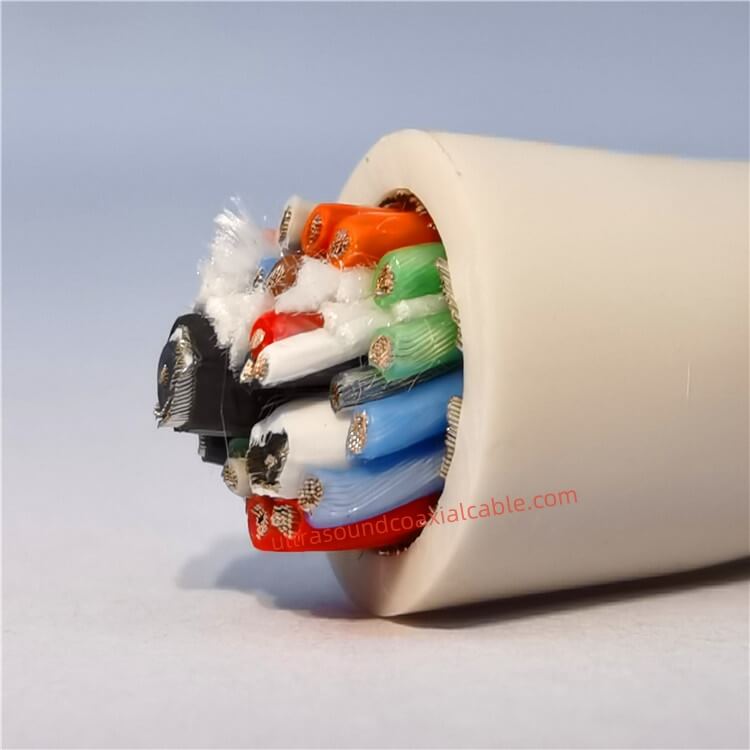
138-Core Medical Ultrasound Probe Coaxial Cable with 0.2mm Diameter – Biocompatible & FDA-Certified

138-Core Medical Ultrasound Probe Coaxial Cable with 0.2mm Diameter – Biocompatible & FDA-Certified

High-Precision 138-Core Medical Ultrasound Coaxial Cables | 0.2mm Ultra-Fine Biocompatible Design for Diagnostic Imaging Product Overview Engineered for advanced medical imaging systems, our 138-Core Medical Ultrasound Probe Coa.
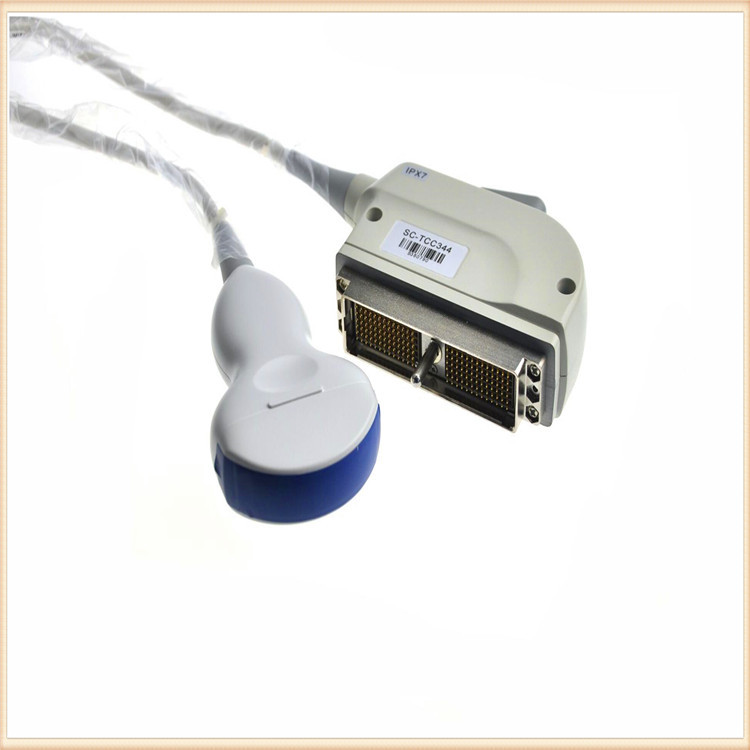
Military-Grade Ultrasound Coaxial Cable – High-Temperature Resistance, 100daN Compression Strength

Military-Grade Ultrasound Coaxial Cable – High-Temperature Resistance, 100daN Compression Strength

High-Performance Military Ultrasound Coaxial Cables: Built for Extreme Conditions Designed to meet the demanding requirements of military, aerospace, and medical applications, our Military-Grade Ultrasound Coaxial Cables deliver except.

High-Precision Ultrasound Coaxial Cable for Medical Imaging – Low Noise, Flexible Design, 42AWG

High-Precision Ultrasound Coaxial Cable for Medical Imaging – Low Noise, Flexible Design, 42AWG

Ultra-Flexible 42AWG Medical-Grade Coaxial Cables for High-Precision Ultrasound Imaging Designed for demanding medical imaging applications, our Ultra-Flexible 42AWG Coaxial Cables deliver exceptional signal integrity, noise reduction,.
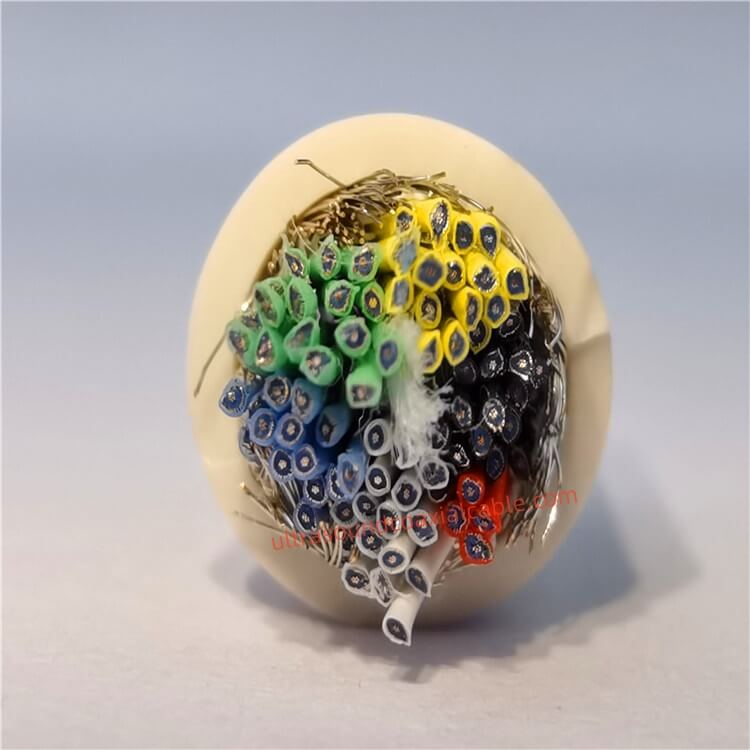
Ultrasound Coaxial Cable|High-Performance Signal Transmission for Precision Applications

Ultrasound Coaxial Cable|High-Performance Signal Transmission for Precision Applications

‌‌Product Overview‌The ‌Ultrasound Coaxial Cable‌ is a specialized cable engineered to deliver ultra-low signal loss, exceptional shielding, and unmatched durability in critical environments. Designed for medical imaging, industrial testi.

Contact Us

Feel free to reach out to us for any inquiries or orders.

Call Us

Have a question? Give us a call!

                   +8618818785005(Whatsapp)

Email Us

Send us an email and we'll get back to you soon.

sales@custom-cable-assemblies.com
       
Home Products Contact