When your ultrasound coaxial cable shows signs of damage, the decision between repair and replacement isn’t just about cost—it’s about… - Professional Ultrasound Coaxial Cable Solutions
Learn more about, latest news, frequently asked questions
When your ultrasound coaxial cable shows signs of damage, the decision between repair and replacement isn’t just about cost—it’s about patient safety, diagnostic accuracy, and long-term equipment reliability. This critical component serves as the lifeline between your ultrasound probe and imaging system, transmitting high-frequency signals that determine image clarity and diagnostic confidence. Understanding when repair is feasible versus when replacement becomes necessary requires careful evaluation of the damage type, cable age, and regulatory compliance requirements.
Ultrasound coaxial cables face constant stress in clinical environments. Repeated bending during patient examinations, accidental kinking, connector strain, and chemical exposure during sterilization gradually degrade cable performance. The most common failure points include:
External Jacket Damage: Minor cuts or abrasions on the outer protective layer can expose internal shielding and conductors to environmental contaminants. While superficial damage might seem cosmetic, it compromises the cable’s resistance to fluids and cleaning agents, potentially leading to electrical shorts or signal degradation over time.
Shielding Compromise: The metallic shield surrounding the central conductor protects against electromagnetic interference (EMI) that can introduce noise into ultrasound images. When this shield becomes damaged—whether through crushing, kinking, or repeated flexing—EMI rejection efficiency drops significantly, resulting in image artifacts and reduced diagnostic confidence.
Conductor Breakage: The central conductor carries the high-frequency ultrasound signals. Even a single break can cause intermittent signal loss, dropouts in specific image areas, or complete failure. Multiple conductor breaks indicate severe structural damage that often necessitates replacement rather than repair.
Connector Issues: Loose, corroded, or damaged connectors represent the most common failure point in ultrasound coaxial cable assemblies. While connector replacement is often feasible, it requires specialized tools and expertise to maintain proper impedance matching and shielding continuity.
Repairing an ultrasound coaxial cable can be cost-effective and practical under specific conditions. Professional repair services can address:
Minor External Damage: Small cuts or abrasions on the outer jacket that haven’t compromised the shielding or conductors can often be repaired using heat-shrink tubing or specialized patching materials. These repairs restore environmental protection without affecting signal integrity.
Connector Replacement: When damage is isolated to the connector interface, professional technicians can replace connectors while preserving the original cable assembly. This approach maintains the cable’s known performance history and reduces replacement costs by up to 70% compared to complete cable replacement.
Single Conductor Breaks: In cases where only one conductor has failed and the overall cable structure remains intact, professional splicing with proper impedance-matching techniques can restore functionality. However, this requires specialized equipment and testing to ensure the repair meets original performance specifications.
Shielding Restoration: Minor shielding damage that hasn’t affected the dielectric or conductor can sometimes be repaired using specialized shielding tapes or braid restoration techniques. These repairs must maintain the cable’s original impedance characteristics to prevent signal reflections.
Certain damage scenarios make replacement the only safe and practical option:
Multiple Conductor Breaks: When two or more conductors show damage, the cable’s structural integrity is compromised beyond reliable repair. Attempting to repair multiple breaks introduces multiple failure points and increases the risk of future signal degradation.
Severe Physical Damage: Crushed, kinked, or severely bent sections of cable alter the internal geometry, changing impedance characteristics and causing signal reflections. These structural changes cannot be reversed through repair, making replacement the only viable solution.
Age-Related Deterioration: Ultrasound coaxial cables typically have a service life of 5-10 years, depending on usage frequency and environmental conditions. Cables showing increased attenuation, brittleness, or frequent failures should be replaced rather than repaired, as age-related degradation affects the entire cable length.
Complex Damage: Damage involving multiple failure modes—such as crushed sections combined with connector issues and shielding compromise—often makes repair economically impractical. The cumulative cost of addressing all issues may approach or exceed the cost of a new cable assembly.
Regulatory Compliance Concerns: Medical-grade ultrasound coaxial cables must meet stringent regulatory requirements, including ISO 13485 quality management systems, FDA clearance, and RoHS/REACH environmental compliance. Repaired cables may not maintain these certifications, potentially voiding equipment warranties and compromising patient safety.
Making the right decision between repair and replacement requires professional evaluation by qualified technicians. Reputable service providers can:
Diagnose Root Causes: Using specialized test equipment, technicians can identify whether issues stem from cable damage, connector problems, or equipment interface issues. This comprehensive assessment prevents unnecessary repairs or replacements.
Evaluate Cost-Effectiveness: Professional assessment includes cost-benefit analysis comparing repair costs against replacement expenses, factoring in equipment downtime, potential diagnostic errors, and long-term reliability.
Ensure Compliance: Certified repair facilities maintain the necessary quality management systems and documentation to ensure repaired cables meet original equipment manufacturer (OEM) specifications and regulatory requirements.
High-quality ultrasound coaxial cables must meet specific performance criteria to ensure reliable diagnostic imaging:
Attenuation: Premium cables maintain attenuation below 0.5 dB/m at 50MHz, preserving signal strength over the cable length and minimizing image degradation.
Shielding Effectiveness: Effective EMI rejection requires shielding efficiency exceeding 90%, with multi-layer shielding configurations providing optimal protection in hospital environments with multiple electronic devices.
Impedance Matching: Standard 50Ω or 75Ω impedance options ensure proper signal matching with ultrasound probes and consoles, preventing signal reflections that can cause image artifacts.
Temperature Range: Medical-grade cables must withstand sterilization cycles (typically -40°C to +125°C) without performance degradation, ensuring long-term reliability in clinical settings.
Flex Life: High-flexibility designs rated for 3,000+ flex cycles maintain signal integrity during repeated patient examinations, reducing the need for frequent replacements.
The global ultrasound coaxial cable market is experiencing significant growth, driven by increasing demand for high-quality medical imaging equipment and technological innovations. Key trends include:
Miniaturization: Ultra-thin cables with diameters as small as 0.2mm enable development of smaller, more portable ultrasound devices for point-of-care applications.
Enhanced Shielding: Advanced multi-layer shielding configurations provide EMI rejection exceeding 100dB, critical for use in MRI environments and other high-interference settings.
Smart Cables: Emerging technologies incorporate embedded sensors for real-time health monitoring and predictive maintenance, allowing healthcare facilities to anticipate cable failures before they impact patient care.
Sustainability: Recyclable materials and eco-friendly manufacturing processes align with global environmental regulations and healthcare sustainability initiatives.
When facing a damaged ultrasound coaxial cable, consider these key factors:
Probe Value: High-end ultrasound probes justify professional repair costs more readily than entry-level models, as replacement costs can be substantial.
Warranty Status: Professional repairs by certified technicians may preserve existing equipment warranties, while unauthorized repairs could void manufacturer coverage.
Downtime Impact: Many repair services offer loaner equipment during repair periods, minimizing disruption to clinical operations.
Total Cost of Ownership: While compliant replacement cables may involve higher initial investment, they significantly reduce total cost of ownership through extended service life and reduced image artifacts that minimize retakes and improve workflow efficiency.
Future-Proofing: As ultrasound technology advances toward higher frequencies and miniaturization, cable requirements continue to evolve. When considering repair, discuss upgrade options with your service provider to ensure your equipment remains compatible with emerging technologies.
The decision to repair or replace a damaged ultrasound coaxial cable ultimately depends on the extent of damage, cable age, regulatory compliance requirements, and cost considerations. While repair can be a cost-effective solution for minor issues, replacement becomes necessary when damage compromises signal integrity, patient safety, or regulatory compliance. By partnering with experienced manufacturers and certified repair facilities, healthcare providers can ensure their ultrasound imaging capabilities remain uncompromised, delivering accurate diagnostics and optimal patient care.
Discover our most popular furniture pieces that are loved by customers worldwide.
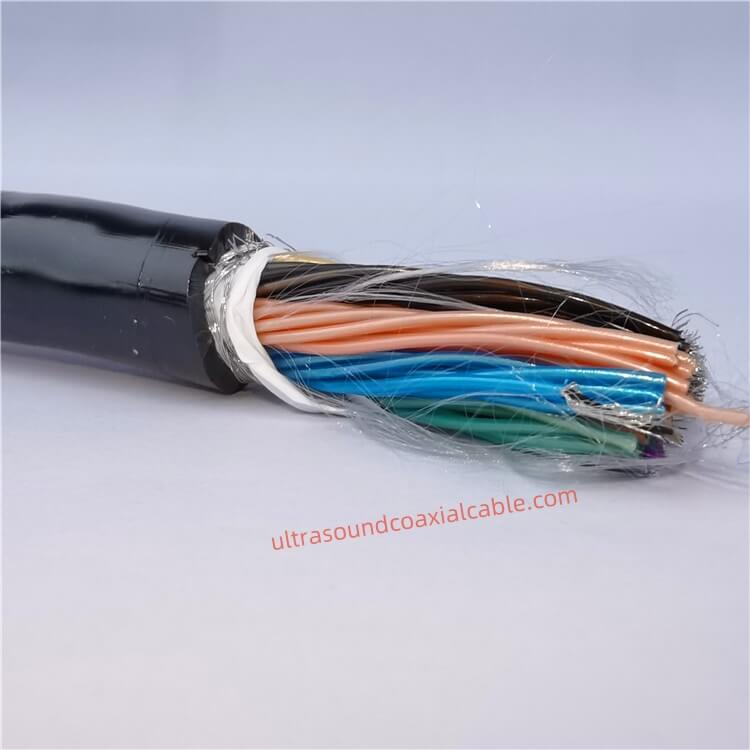
High-Performance Ultrasound Coaxial Cable Assembly: 42AWG to 30AWG, 6.6mm OD, 18GHz Bandwidth Engineered for precision in medical imaging and industrial applications, this customizable coaxial cable assembly delivers exceptional signal.
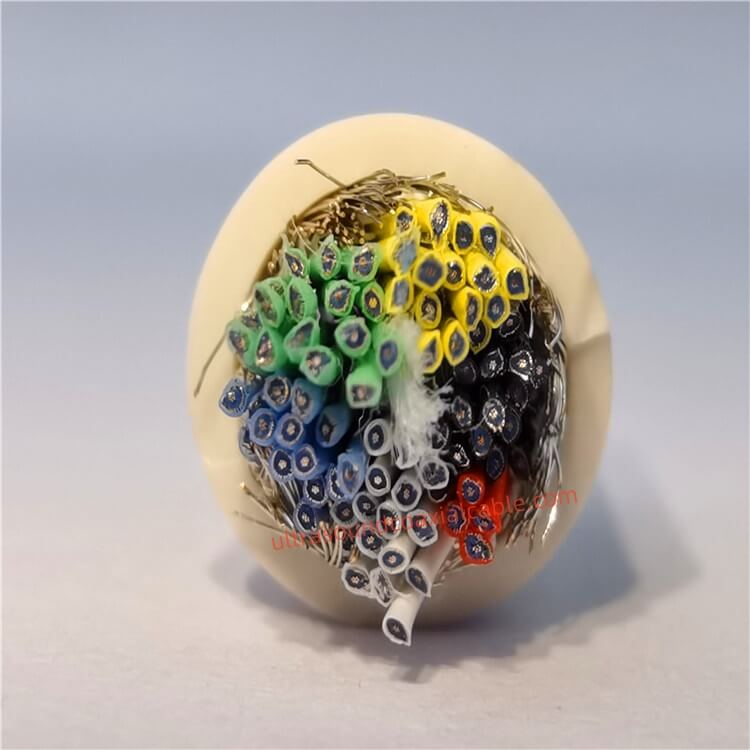
Product OverviewThe Ultrasound Coaxial Cable is a specialized cable engineered to deliver ultra-low signal loss, exceptional shielding, and unmatched durability in critical environments. Designed for medical imaging, industrial testi.
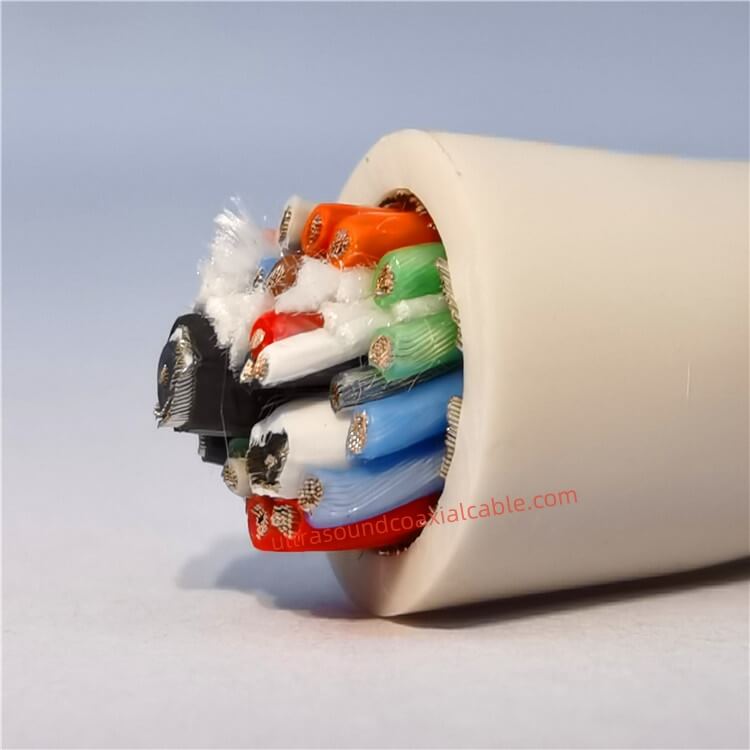
High-Precision 138-Core Medical Ultrasound Coaxial Cables | 0.2mm Ultra-Fine Biocompatible Design for Diagnostic Imaging Product Overview Engineered for advanced medical imaging systems, our 138-Core Medical Ultrasound Probe Coa.
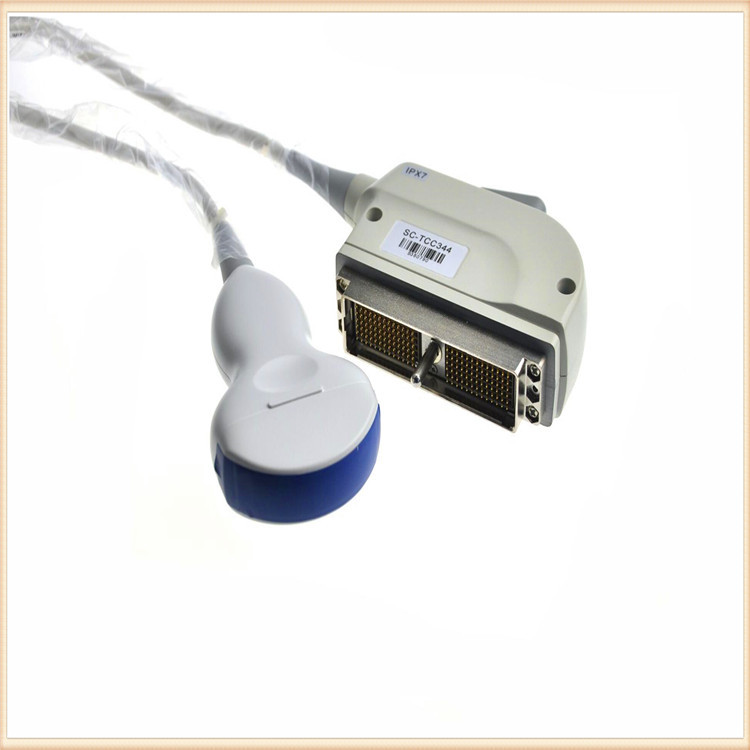
High-Performance Military Ultrasound Coaxial Cables: Built for Extreme Conditions Designed to meet the demanding requirements of military, aerospace, and medical applications, our Military-Grade Ultrasound Coaxial Cables deliver except.
Feel free to reach out to us for any inquiries or orders.