Precision Engineering Meets Extreme Environments: The Role of Ultrasound Coaxial Cables in Aerospace Innovation In the high-stakes world of aerospace… - Professional Ultrasound Coaxial Cable Solutions
Learn more about, latest news, frequently asked questions
Precision Engineering Meets Extreme Environments: The Role of Ultrasound Coaxial Cables in Aerospace Innovation
In the high-stakes world of aerospace engineering, reliability and performance are non-negotiable. From satellite communications to onboard medical systems, every component must withstand extreme temperatures, radiation, and mechanical stress. One often-overlooked yet critical element in this ecosystem is the ultrasound coaxial cable. While traditionally associated with medical imaging or industrial diagnostics, these cables are now finding transformative applications in aerospace. Let’s explore how their unique design and capabilities align with the demanding needs of modern aviation and space exploration.
Ultrasound coaxial cables are engineered to transmit high-frequency signals with minimal loss and interference. Unlike standard cables, they feature a central conductor, dielectric insulator, shielding layers, and an outer jacket, all optimized for signal integrity. Key attributes include:
For aerospace, these cables must meet stringent standards, such as MIL-C-17 or EN 50117, to ensure compatibility with avionics and safety systems .
Aircraft and spacecraft undergo constant stress during flights, leading to micro-cracks or corrosion. Ultrasound-based SHM systems use coaxial cables to transmit signals between sensors embedded in critical components (e.g., wings, fuel tanks). These cables enable real-time data transmission for early defect detection, preventing catastrophic failures.
Example: Lightweight coaxial cables with aluminum conductors and braided shielding reduce weight by 30% compared to traditional cables, making them ideal for drones and satellites .
Modern aircraft often include compact medical suites for emergencies. Ultrasound probes paired with coaxial cables allow pilots or crew to perform life-saving imaging (e.g., abdominal scans) mid-flight. Key requirements include:
Phased-array radars and satellite communication systems rely on precise signal timing. Ultrasound coaxial cables ensure low-latency data transfer between antennas and processors. Their impedance matching (e.g., 50Ω) minimizes signal reflections, critical for high-frequency applications like 6–18GHz radar components .
Autonomous robots used for in-orbit repairs or ground-based aircraft inspections depend on ultrasound sensors for obstacle detection. Coaxial cables provide reliable power and data transmission in harsh environments, such as vacuum or high-radiation zones .
Aerospace environments expose cables to cosmic radiation, which can degrade conventional materials. Advanced coaxial cables use ETFE (ethylene tetrafluoroethylene) jackets to resist radiation-induced brittleness, ensuring longevity in satellite deployments .
For radar and navigation systems, signal phase accuracy is paramount. Fluoropolymer-insulated cables maintain stable electrical lengths across wide temperature ranges (-55°C to +180°C), critical for polar missions or high-altitude flights .
Manufacturers now offer bespoke solutions, such as:
A European satellite mission utilized SpaceNXT™ QT coaxial cables to connect ultrasonic sensors monitoring solar panel integrity. The cables’ 110GHz bandwidth and radiation shielding enabled flawless data transmission over 15 years in orbit .
The U.S. Air Force integrated lightweight coaxial cables into F-35 fighters for real-time engine health monitoring. The cables’ 0.15dB/m attenuation at 1GHz ensured precise signal capture, reducing maintenance costs by 20% .
While promising, ultrasound coaxial cables face hurdles:
Ultrasound coaxial cables are no longer confined to medical labs—they’re breaking barriers in aerospace, enabling smarter, safer, and more efficient systems. By combining precision engineering with cutting-edge materials, these cables address the unique challenges of aviation and space exploration, from structural monitoring to in-flight healthcare. As technology evolves, their role will only expand, cementing their place as indispensable tools in the skies and beyond.
For industries pushing the boundaries of what’s possible, investing in ultrasound coaxial cables isn’t just an upgrade—it’s a leap toward tomorrow’s innovations.
Discover our most popular furniture pieces that are loved by customers worldwide.
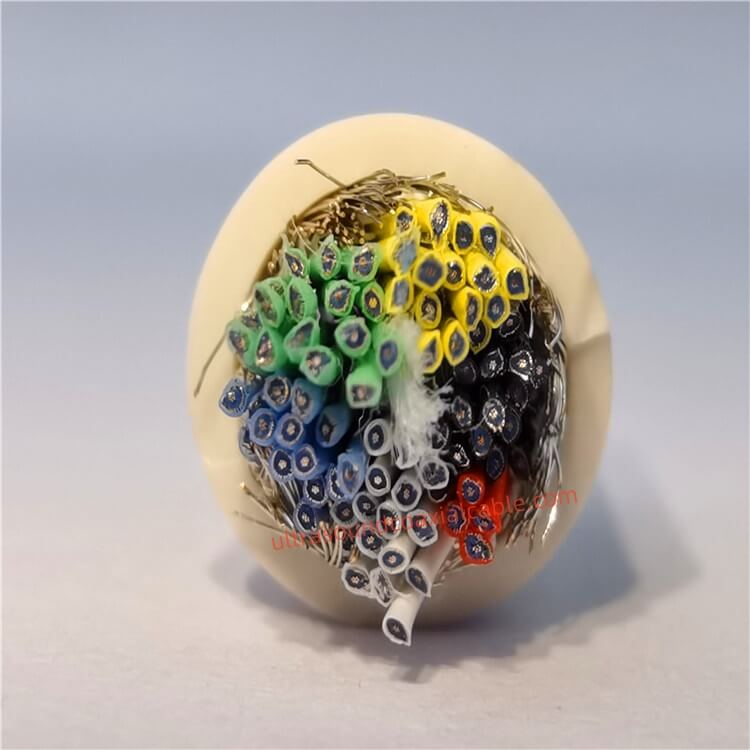
Product OverviewThe Ultrasound Coaxial Cable is a specialized cable engineered to deliver ultra-low signal loss, exceptional shielding, and unmatched durability in critical environments. Designed for medical imaging, industrial testi.

High-Precision 138-Core Medical Ultrasound Coaxial Cables | 0.2mm Ultra-Fine Biocompatible Design for Diagnostic Imaging Product Overview Engineered for advanced medical imaging systems, our 138-Core Medical Ultrasound Probe Coa.
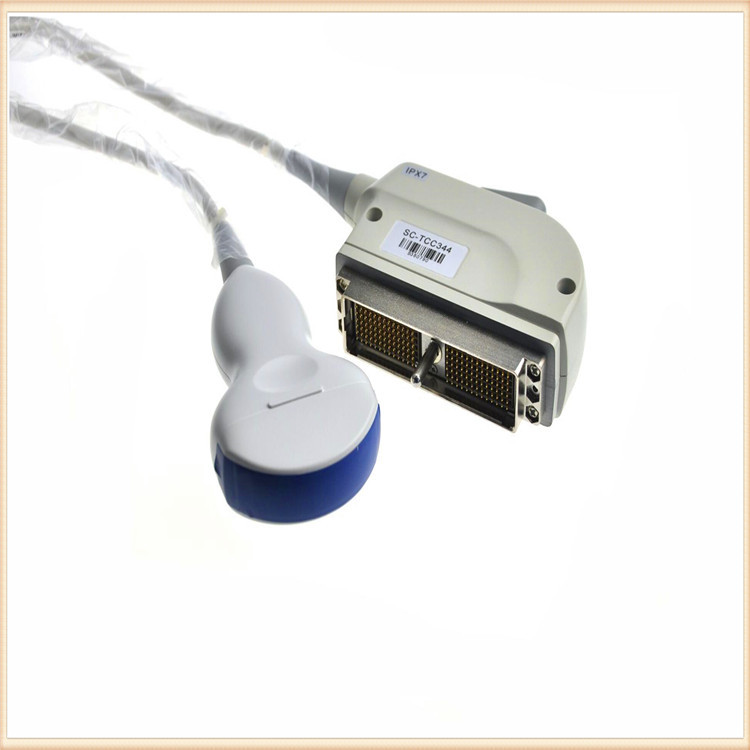
High-Performance Military Ultrasound Coaxial Cables: Built for Extreme Conditions Designed to meet the demanding requirements of military, aerospace, and medical applications, our Military-Grade Ultrasound Coaxial Cables deliver except.

High-Performance Flexible Coaxial Cable for Medical Imaging & Ultrasound Systems Designed for demanding applications in medical imaging, industrial diagnostics, and high-frequency signal transmission, this ultra-flexible coaxial ca.
Feel free to reach out to us for any inquiries or orders.