In today’s healthcare landscape, sustainability has become a critical concern for medical facilities worldwide. As the medical industry grapples with… - Professional Ultrasound Coaxial Cable Solutions
Learn more about, latest news, frequently asked questions
In today’s healthcare landscape, sustainability has become a critical concern for medical facilities worldwide. As the medical industry grapples with its environmental footprint, one question emerges: Can single-use ultrasound coaxial cables be recycled? The answer is complex but important for healthcare providers looking to balance patient care with environmental responsibility.
Ultrasound coaxial cables represent some of the most technologically advanced wiring systems in medical equipment. Unlike standard coaxial cables used in telecommunications or television, medical-grade ultrasound cables feature specialized construction to meet stringent healthcare requirements.
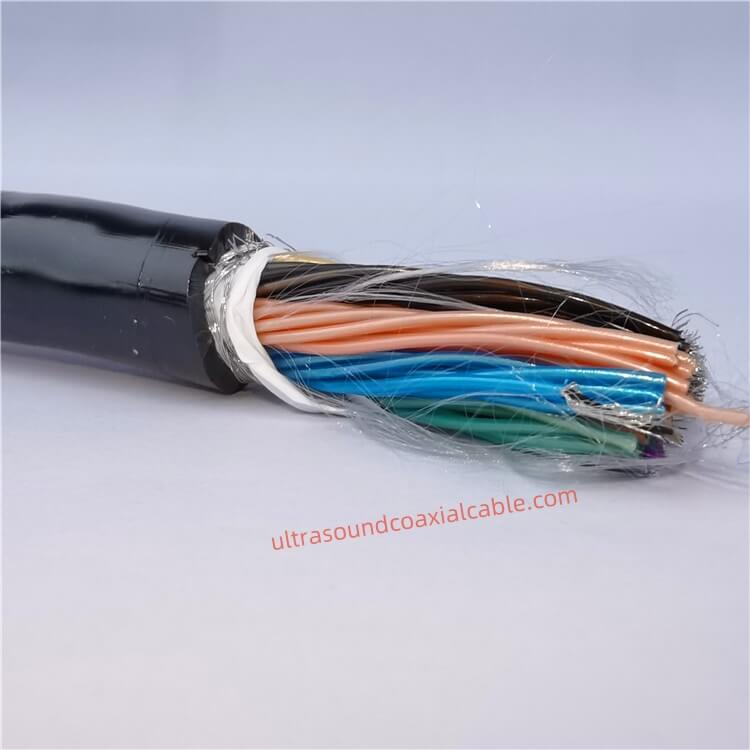
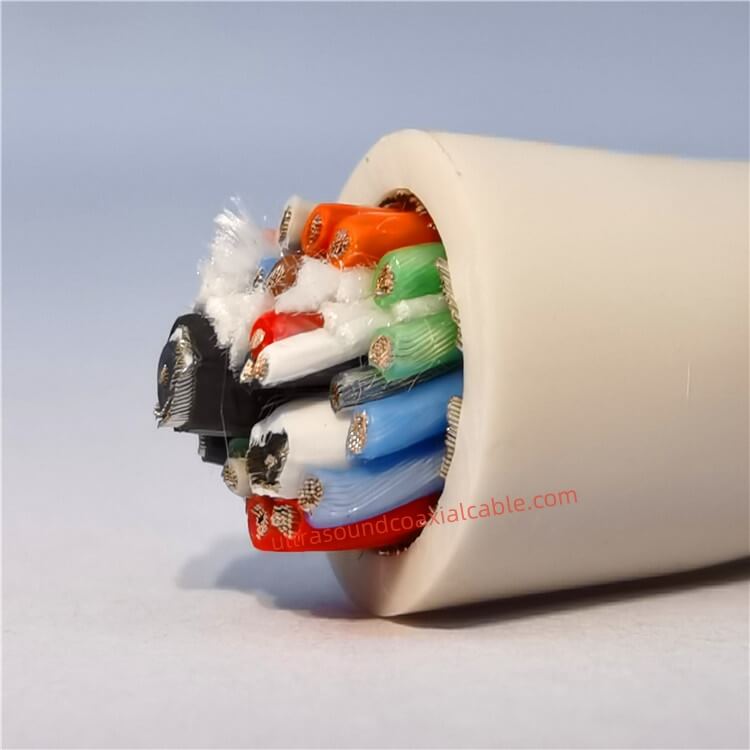
These cables typically contain multiple micro-coaxial wires – sometimes over 200 strands – with individual conductors as thin as 44-46 AWG (American Wire Gauge), making them finer than human hair. The intricate construction includes:
This complex composition presents both challenges and opportunities for recycling initiatives, particularly for single-use versions that are increasingly common in clinical settings.
Recycling conventional coaxial cables follows a well-established process involving collection, shredding, separation, and material recovery. However, medical ultrasound coaxial cables introduce several unique complications:
1. Size and Complexity Factors
The extremely fine gauge of ultrasound coaxial wires (typically 38-46 AWG) makes traditional separation methods challenging. The intricate shielding configurations and multiple layers require specialized processing equipment not always available at standard e-waste facilities.
2. Contamination Concerns
Medical devices may be subject to stricter handling protocols due to potential biological contamination. While single-use ultrasound cables are typically sterilized and sealed, recycling facilities must implement additional safety measures before processing medical equipment.
3. Material Separation Difficulties
The valuable metals in ultrasound cables – including copper, silver, and sometimes gold – are bound within complex insulation and shielding systems. The fluoropolymer insulation commonly used in medical cables requires specific handling during the recycling process.
Despite these challenges, several responsible disposal options exist for single-use ultrasound coaxial cables:
Specialized E-Waste Recyclers
Certain electronic waste facilities specialize in medical equipment recycling. These facilities have the technical capability to handle the complex structure of ultrasound cables and properly separate the valuable materials while adhering to medical device disposal regulations.
Manufacturer Take-Back Programs
Forward-thinking manufacturers like FRS have implemented environmental stewardship programs that include take-back initiatives for their medical cables. These programs ensure that cables are disposed of using the most advanced recycling methods available while maintaining compliance with healthcare regulations.
Dedicated Medical Waste Handlers
Some medical waste management companies have expanded their services to include specialized electronic medical devices. These handlers understand both the regulatory environment and the material recovery potential of medical-grade cables.
Recycling ultrasound coaxial cables isn’t just about environmental responsibility – it makes economic sense too. These cables contain valuable materials that can be recovered and reused:
The recovery of these materials reduces the need for virgin resource extraction, creating a circular economy benefit that aligns with sustainability goals in the healthcare sector.
At FRS, we recognize that sustainability in medical technology requires a multifaceted approach. While recycling remains an important component, we’ve implemented a broader environmental strategy:
Design for Longevity
Our ultrasound coaxial cables are engineered for durability and extended service life, reducing the frequency of replacement and ultimately decreasing waste generation. With features like high fatigue resistance and robust shielding, FRS cables withstand the rigors of clinical use while maintaining signal integrity.
Modular Design Principles
Where possible, we implement modular designs that allow for component-level replacement rather than full device disposal. This approach extends the useful life of medical equipment and reduces overall environmental impact.
Material Innovation
Our research and development team continuously explores alternative materials that maintain clinical performance while improving recyclability. We’re investigating new insulation compounds and conductor materials that balance medical requirements with environmental considerations.
When evaluating the recyclability of medical cables, certification to recognized standards provides important guidance. Relevant standards include:
FRS cables adhere to these international standards, providing healthcare facilities with confidence in both product performance and environmental responsibility.
Healthcare administrators face complex decisions when selecting medical equipment. Considering the environmental impact of single-use devices like ultrasound cables requires evaluating several factors:
Total Lifecycle Assessment
Look beyond initial cost to consider the complete environmental footprint, including manufacturing, use, and disposal phases. Products with take-back programs or demonstrated recyclability may offer better long-term value.
Vendor Environmental Policies
Evaluate medical equipment suppliers based on their sustainability initiatives and recycling support. Manufacturers with robust environmental programs typically provide more sustainable solutions throughout the product lifecycle.
Local Regulations and Infrastructure
Consider the recycling capabilities available in your region. Some areas have specialized medical e-waste handlers, while others may require working directly with manufacturers for responsible disposal.
The question of whether single-use ultrasound coaxial cables can be recycled has a qualified “yes” as its answer. While challenges exist due to their complex construction and medical application, responsible recycling pathways are available through specialized handlers and manufacturer programs.
As environmental considerations become increasingly important in healthcare decision-making, manufacturers like FRS are committed to developing solutions that balance clinical excellence with ecological responsibility. Through continued innovation in materials, design, and recycling initiatives, we can work toward a future where high-quality patient care and environmental stewardship go hand in hand.
The healthcare industry’s journey toward sustainability requires collaboration between manufacturers, providers, and waste management specialists. By making informed choices about equipment selection and disposal, medical facilities can contribute to a healthier planet while maintaining their primary focus on patient health.
Discover our most popular furniture pieces that are loved by customers worldwide.
High-Performance Ultrasound Coaxial Cable Assembly: 42AWG to 30AWG, 6.6mm OD, 18GHz Bandwidth Engineered for precision in medical imaging and industrial applications, this customizable coaxial cable assembly delivers exceptional signal.
High-Performance Military Ultrasound Coaxial Cables: Built for Extreme Conditions Designed to meet the demanding requirements of military, aerospace, and medical applications, our Military-Grade Ultrasound Coaxial Cables deliver except.
High-Precision 138-Core Medical Ultrasound Coaxial Cables | 0.2mm Ultra-Fine Biocompatible Design for Diagnostic Imaging Product Overview Engineered for advanced medical imaging systems, our 138-Core Medical Ultrasound Probe Coa.

Ultra-Flexible 42AWG Medical-Grade Coaxial Cables for High-Precision Ultrasound Imaging Designed for demanding medical imaging applications, our Ultra-Flexible 42AWG Coaxial Cables deliver exceptional signal integrity, noise reduction,.
Feel free to reach out to us for any inquiries or orders.