In industrial settings where explosive atmospheres pose significant risks, the selection of electronic components becomes a critical safety consideration. Ultrasound… - Professional Ultrasound Coaxial Cable Solutions
Learn more about, latest news, frequently asked questions
In industrial settings where explosive atmospheres pose significant risks, the selection of electronic components becomes a critical safety consideration. Ultrasound coaxial cables, which serve as the vital link between ultrasonic instruments and their probes, must meet exceptionally stringent requirements when deployed in hazardous environments. These cables are not merely accessories but safety-critical components that can prevent catastrophic events in sectors like oil and gas, mining, and chemical processing.
Ultrasonic technology has expanded far beyond medical diagnostics into various industrial applications, including non-destructive testing (NDT) of critical infrastructure. In explosive atmospheres—classified under ATEX directives as Zones 0, 1, 2 (for gases) and Zones 20, 21, 22 (for dust)—any electrical equipment can potentially become an ignition source if not properly designed and certified .
The global market for ultrasound coaxial cables is experiencing significant growth, with the industrial NDT sector showing a 9% year-on-year increase in equipment sales. This growth directly correlates with cable demand, particularly in high-risk applications such as pipeline inspections in oil fields and structural monitoring in chemical plants . In these environments, standard ultrasound coaxial cables may pose significant safety risks unless specifically engineered for hazardous conditions.
When selecting ultrasound coaxial cables for explosive atmospheres, compliance with international standards is not optional—it’s mandatory. The ATEX directive (2014/34/EU) establishes the framework for equipment used in potentially explosive atmospheres within the European Union. Similarly, IECEx provides an international certification system .
These standards require that cables and connected equipment possess intrinsic safety (Ex i) properties, meaning they cannot release sufficient energy to cause ignition. For ultrasound coaxial cables, this involves careful engineering of materials and construction to limit electrical and thermal energy under both normal and fault conditions .
Additional certification requirements may include:
FRS addresses these challenges through advanced material science. Our hazardous-environment coaxial cables incorporate silver-plated copper alloy conductors that provide superior conductivity while maintaining lower energy profiles. The insulation utilizes specialized fluoropolymers like PTFE (polytetrafluoroethylene) which offer exceptional dielectric strength and thermal stability, capable of withstanding temperatures from -55°C to 180°C .
The shielding systems in these cables are equally critical. FRS employs multi-layer shielding approaches, combining spiral shields with braid shields that provide 85-90% coverage. This dual-shield design ensures maximum protection against electromagnetic interference (EMI)—a potential ignition source in volatile environments—while maintaining signal integrity for precise ultrasound imaging .
In addition to electrical safety, mechanical robustness is essential for cables operating in harsh conditions. FRS ultrasound coaxial cables designed for explosive atmospheres feature reinforced construction with advanced polymer jackets that resist abrasion, chemicals, and oils. For extreme applications, optional galvanized steel armor provides additional mechanical protection without compromising flexibility .
Our rigorous testing protocols subject these cables to more than 300,000 cycles of continuous bending, pulling, and twisting to simulate years of field use. This ensures they can withstand the rigors of industrial environments without degradation that might compromise safety or performance .
The oil and gas industry represents a primary application for explosion-proof ultrasound coaxial cables, with ultrasonic NDT equipment used for pipeline inspections, tank wall thickness measurements, and wellhead monitoring. In these environments, cables must withstand not only potential hydrocarbon vapors but also extreme temperatures, pressure variations, and chemical exposure .
FRS solutions for this sector include cables rated for temperatures up to 150°C, with specialized jacketing that resists petroleum-based chemicals. These cables maintain impedance stability within ±2 ohms across operating frequencies, ensuring accurate flaw detection in critical infrastructure while maintaining intrinsic safety principles .
In mining applications where combustible dust presents explosion risks, and in chemical plants with volatile vapors, ultrasound coaxial cables must offer both safety and reliability. FRS addresses these challenges with Low Smoke Zero Halogen (LSZH) formulations that minimize toxic emissions in fire scenarios, along of course with the necessary ATEX/IECEx certifications for the specific zones .
FRS utilizes advanced physical foaming technology in insulation production, creating microcellular structures that enhance signal transmission while reducing capacitance. This results in higher signal integrity with lower propagation of energy—a critical factor in intrinsic safety applications. Our precision engineering maintains consistent impedance characteristics (typically 50Ω ±2Ω) even across complex multi-channel configurations .
Recognizing that hazardous environments vary significantly, FRS offers extensive customization capabilities for our ultrasound coaxial cables. From conductor size (ranging from 30-46 AWG) to shielding configurations and jacket materials, we engineer solutions matched to specific zone classifications and operational parameters .
Our technical team works directly with clients to analyze their specific risk factors and application requirements, developing cable solutions that not only meet but exceed safety standards while delivering the performance necessary for critical ultrasound applications.
As regulatory frameworks evolve toward increasingly stringent safety requirements, FRS invests proactively in research and development. Our ongoing material science initiatives focus on next-generation polymers with enhanced flame-retardant properties and environmental sustainability—preparing for standards such as the EU’s Circular Economy Action Plan, which will mandate recyclable cable components by 2027 .
We also monitor emerging trends in hazardous area classification, ensuring that our ultrasound coaxial cables remain compliant with global standards as they evolve. This forward-looking approach provides our clients with confidence that their investments in safety-critical cabling will remain compliant through equipment lifecycles.
Selecting appropriate ultrasound coaxial cables for explosive atmospheres requires careful consideration of multiple factors beyond basic electrical specifications. The zone classification, temperature ranges, chemical exposures, and mechanical stresses all influence the optimal cable design. FRS technical specialists are available to consult on these parameters, ensuring the selected solution provides optimal performance while maintaining the highest safety standards.
With the global market for ultrasound equipment in hazardous locations projected to grow at a CAGR of 5.8% through 2030, the importance of properly specified components cannot be overstated. Investments in certified, purpose-engineered coaxial cables not only ensure regulatory compliance but more importantly protect personnel, equipment, and operations from potentially devastating incidents .
The question isn’t whether your ultrasound coaxial cables can be suitable for explosive atmospheres, but rather how to select and implement the right certified solution for your specific hazardous environment. With FRS expertise in safety-critical cable engineering, we transform potential risks into reliable operational capabilities.
Discover our most popular furniture pieces that are loved by customers worldwide.

High-Performance Flexible Coaxial Cable for Medical Imaging & Ultrasound Systems Designed for demanding applications in medical imaging, industrial diagnostics, and high-frequency signal transmission, this ultra-flexible coaxial ca.
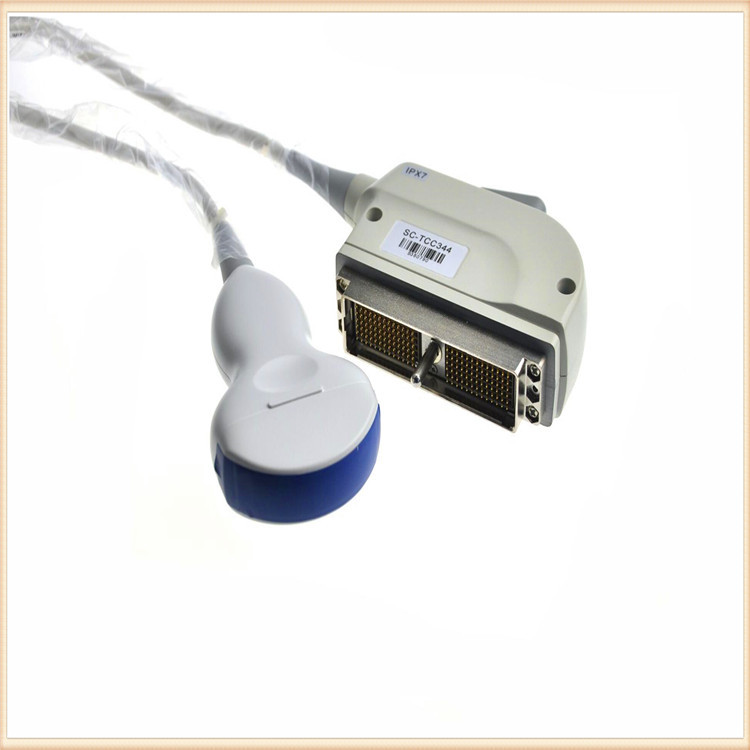
High-Performance Military Ultrasound Coaxial Cables: Built for Extreme Conditions Designed to meet the demanding requirements of military, aerospace, and medical applications, our Military-Grade Ultrasound Coaxial Cables deliver except.

Ultra-Flexible 42AWG Medical-Grade Coaxial Cables for High-Precision Ultrasound Imaging Designed for demanding medical imaging applications, our Ultra-Flexible 42AWG Coaxial Cables deliver exceptional signal integrity, noise reduction,.
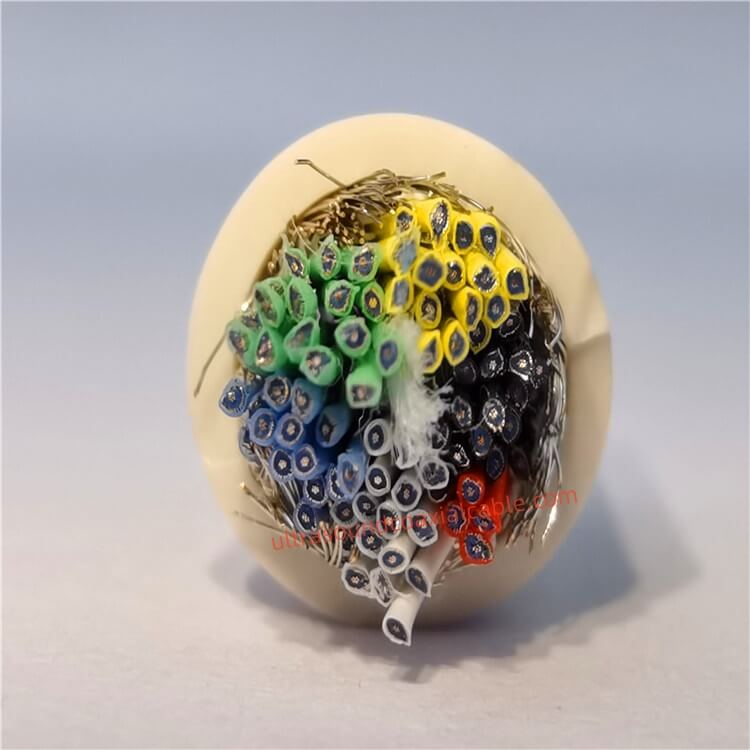
Product OverviewThe Ultrasound Coaxial Cable is a specialized cable engineered to deliver ultra-low signal loss, exceptional shielding, and unmatched durability in critical environments. Designed for medical imaging, industrial testi.
Feel free to reach out to us for any inquiries or orders.