How to Choose the Right Ultrasound Coaxial Cable: Key Specifications to Consider Ultrasound technology has revolutionized medical diagnostics and industrial… - Professional Ultrasound Coaxial Cable Solutions
Learn more about, latest news, frequently asked questions
How to Choose the Right Ultrasound Coaxial Cable: Key Specifications to Consider
Ultrasound technology has revolutionized medical diagnostics and industrial applications, but its effectiveness hinges on the quality of components like coaxial cables. Whether you’re in healthcare, engineering, or research, selecting the right ultrasound coaxial cable requires careful consideration of specifications tailored to your needs. Below, we break down the critical factors to evaluate, ensuring you invest in a cable that delivers reliability, precision, and longevity.
The wire gauge (AWG) determines the cable’s thickness and current-carrying capacity. For ultrasound applications, ultra-thin cables (e.g., 38–46 AWG) are preferred due to their flexibility and minimal signal loss. Thinner cables like FRS’ Micro Coaxial Solutions (as low as 0.2mm diameter) are ideal for medical imaging and minimally invasive procedures, where maneuverability is crucial .
Why it matters:
Ultrasound systems typically operate at 50Ω or 75Ω impedance. Mismatched impedance causes signal reflections, distorting imaging or data transmission. For example:
FRS Advantage:
Our cables are engineered for exact impedance matching, ensuring seamless integration with transducers and receivers.
Ultrasound signals are sensitive to electromagnetic interference (EMI). A robust shielding layer (e.g., braided copper or aluminum foil) is essential to maintain signal integrity.
Key shielding types:
FRS’ Solution:
Our cables feature multi-layer shielding to eliminate noise, ensuring crystal-clear imaging even in high-traffic clinical settings.
Ultrasound frequencies vary widely—from 20 kHz (industrial cleaning) to 100 MHz (high-resolution medical imaging). Your cable must support the operational bandwidth:
Example:
FRS’ Dual-Frequency Catheter Cables combine low- and high-frequency elements in a single design, enabling versatile applications like intravascular imaging .
For medical use, cables must meet stringent biocompatibility standards (e.g., ISO 10993). Materials like tinned copper conductors and biocompatible outer jackets prevent toxicity and ensure patient safety.
FRS Compliance:
Our cables are FDA-cleared and tested for cytotoxicity, ensuring they’re safe for human contact in surgical and imaging systems.
The right connector ensures secure, low-loss signal transmission. Common types include:
FRS Customization:
We offer custom connector options to match your equipment, reducing setup time and improving durability.
Ultrasound systems often operate in demanding environments. Look for cables rated for:
FRS Performance:
Our cables thrive in extreme conditions, making them suitable for aerospace, military, and emergency medical vehicles.
Off-the-shelf cables rarely fit every need. Customization allows you to tailor:
FRS Expertise:
We specialize in bespoke designs, like our 0.2mm micro cables for endoscopic imaging, combining size and performance.
FRS stands out as a leader in ultrasound coaxial cables, combining innovation with reliability:
Final Thoughts
Choosing the right ultrasound coaxial cable isn’t just about technical specs—it’s about ensuring safety, accuracy, and efficiency in your operations. Whether you’re diagnosing heart conditions or inspecting pipeline welds, FRS provides cables that meet the highest standards. Let us help you tailor a solution that fits your unique challenges.
Explore FRS’ product catalog today and experience the difference precision engineering makes.
Discover our most popular furniture pieces that are loved by customers worldwide.

High-Performance Flexible Coaxial Cable for Medical Imaging & Ultrasound Systems Designed for demanding applications in medical imaging, industrial diagnostics, and high-frequency signal transmission, this ultra-flexible coaxial ca.
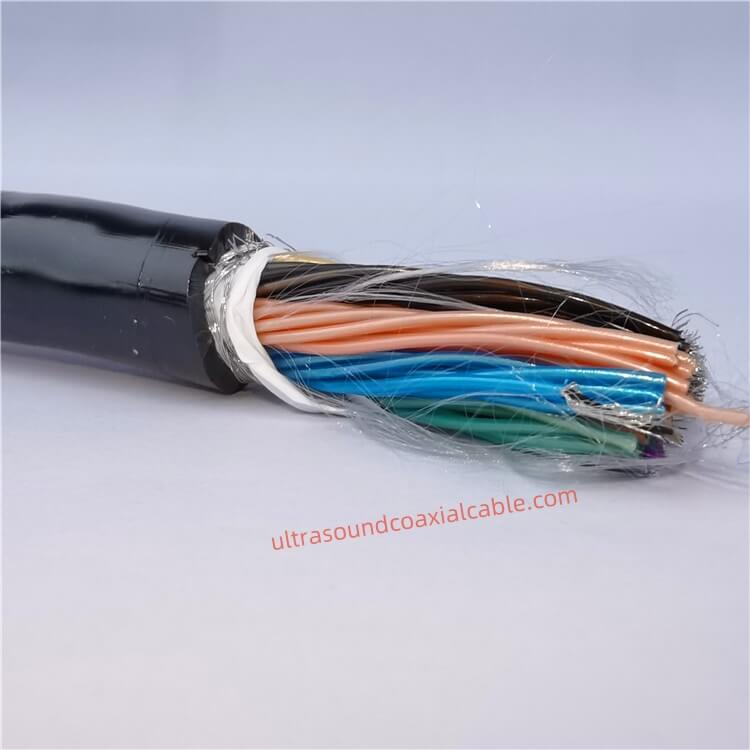
High-Performance Ultrasound Coaxial Cable Assembly: 42AWG to 30AWG, 6.6mm OD, 18GHz Bandwidth Engineered for precision in medical imaging and industrial applications, this customizable coaxial cable assembly delivers exceptional signal.
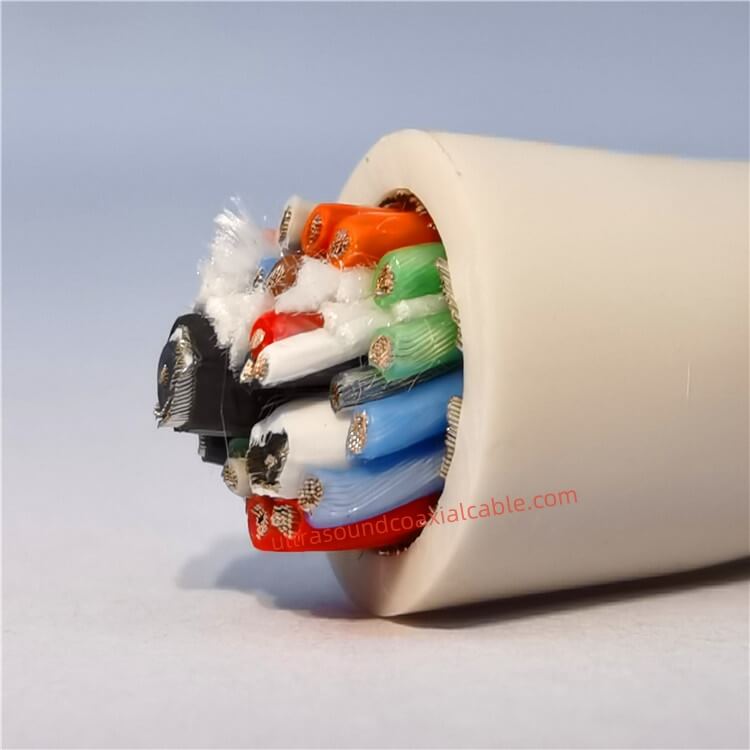
High-Precision 138-Core Medical Ultrasound Coaxial Cables | 0.2mm Ultra-Fine Biocompatible Design for Diagnostic Imaging Product Overview Engineered for advanced medical imaging systems, our 138-Core Medical Ultrasound Probe Coa.

Ultra-Flexible 42AWG Medical-Grade Coaxial Cables for High-Precision Ultrasound Imaging Designed for demanding medical imaging applications, our Ultra-Flexible 42AWG Coaxial Cables deliver exceptional signal integrity, noise reduction,.
Feel free to reach out to us for any inquiries or orders.