What is the minimum bend radius for an ultrasound coaxial cable? | High-Quality Ultrasound Coaxial Cable | ultrasound coaxial cable Manufacturer & Factory-FRS

What is the minimum bend radius for an ultrasound coaxial cable?

Title: Understanding Bend Radius in Ultrasound Coaxial Cables for Enhanced Diagnostic Imaging​ Ultrasound coaxial cables are the unsung heroes of… - Professional Ultrasound Coaxial Cable Solutions

Information

Learn more about, latest news, frequently asked questions

Title: Understanding Bend Radius in Ultrasound Coaxial Cables for Enhanced Diagnostic Imaging

Ultrasound coaxial cables are the unsung heroes of modern medical imaging. These specialized cables transmit high-frequency signals between ultrasound transducers and processing systems, ensuring crisp, real-time images for diagnostics. One critical yet often overlooked aspect of their design and usage is the ​minimum bend radius—a factor that directly impacts performance, longevity, and reliability. Let’s dive into why this parameter matters and how it shapes the effectiveness of ultrasound systems.


What Is Minimum Bend Radius?​

The minimum bend radius refers to the smallest curvature a cable can safely withstand without compromising its structural integrity or electrical performance. Exceeding this limit risks damaging the cable’s inner conductors, shielding layers, or insulation, leading to signal loss, noise interference, or even complete failure. For ultrasound coaxial cables, maintaining this threshold is crucial because high-frequency signals (1–10 MHz) used in medical imaging are highly sensitive to disruptions.


Why Bend Radius Matters in Ultrasound Applications

  1. Signal Integrity: Ultrasound systems rely on precise transmission of analog signals. Sharp bends can distort the cable’s impedance, causing reflections and attenuating the signal. This distortion translates to artifacts in images, reducing diagnostic accuracy.
  2. Mechanical Durability: Repeated bending beyond the recommended radius accelerates wear and tear. For example, the aluminum or copper shielding (critical for noise reduction) may crack, exposing the inner conductor to environmental factors like moisture or physical stress.
  3. Clinical Workflow: In handheld probes or endoscopy devices, cables must balance flexibility with rigidity. A cable that’s too stiff limits maneuverability, while one that bends too easily risks kinking during routine use.

Design Factors Influencing Bend Radius

  1. Conductor Material:
    • Stranded copper cores (common in RG-58 or RG-59 cables) offer greater flexibility than solid-core designs, allowing tighter bends without breaking.
    • Newer micro-coaxial designs (e.g., COMFORT EX Ultrasound Micro Coax Cable) use ultra-thin conductors and advanced dielectrics to achieve sub-millimeter bend radii while maintaining signal fidelity.
  2. Shielding and Jacketing:
    • Braided shields (aluminum or copper) provide better flexibility compared to foil-only shielding. Hybrid designs combine both for optimal EMI protection and bend tolerance.
    • Outer jackets made of materials like PVC or medical-grade silicone balance flexibility with resistance to sterilization methods (e.g., autoclaving).
  3. Cable Diameter:
    • Thinner cables inherently allow smaller bend radii. For instance, micro-coaxial cables with diameters under 2 mm are ideal for minimally invasive devices.

Real-World Applications and Challenges

  1. Transducer Probes:
    • In transvaginal or transesophageal probes, cables must navigate tight anatomical spaces. A bend radius of 5–10 mm is typical for these applications to prevent patient discomfort or equipment damage.
  2. Portable Ultrasound Systems:
    • Cables for handheld devices prioritize lightweight, tangle-free designs. Materials like foamed polyethylene (PE) reduce weight while maintaining bend tolerance.
  3. High-Frequency Imaging:
    • Advanced modalities like 3D/4D ultrasound demand cables with ultra-low signal loss. Here, bend radius specifications often align with military-grade standards (e.g., MIL-DTL-17) to ensure reliability.

Best Practices for Handling Ultrasound Coaxial Cables

  • Follow Manufacturer Guidelines: Always adhere to the bend radius specified in technical datasheets. For example, a cable rated for a 15 mm radius should never be bent below 20 mm in clinical settings.
  • Avoid Sharp Edges: Route cables away from equipment edges or clamps that could create pinch points.
  • Regular Inspections: Check for kinks, cracks, or insulation wear, especially in high-mobility applications like emergency sonography.

Innovations in Cable Technology

Recent advancements address bend radius limitations:

  1. Shape-Memory Polymers: Cables that “remember” their original shape after bending reduce permanent deformation risks.
  2. Fiber-Reinforced Jackets: Adding aramid fibers (e.g., Kevlar) enhances tensile strength without sacrificing flexibility.
  3. Modular Designs: Some systems now use detachable cable assemblies, allowing clinicians to replace damaged sections without discarding the entire probe.

Conclusion

The minimum bend radius of an ultrasound coaxial cable isn’t just a technical spec—it’s a cornerstone of diagnostic accuracy and equipment longevity. From high-frequency signal preservation to ergonomic handling in fast-paced clinics, understanding and respecting this parameter ensures that ultrasound systems deliver reliable, crystal-clear images every time. Whether you’re designing next-gen probes or maintaining existing equipment, prioritizing bend radius compliance is a small step that makes a big difference in patient care.


This piece balances technical depth with readability, targeting keywords like “ultrasound coaxial cable bend radius” and “medical imaging cable flexibility” while incorporating insights from shielding materials, clinical applications, and signal integrity. The tone remains informative yet approachable, ideal for engaging both engineers and healthcare professionals.

Hot Selling Products

Discover our most popular furniture pieces that are loved by customers worldwide.
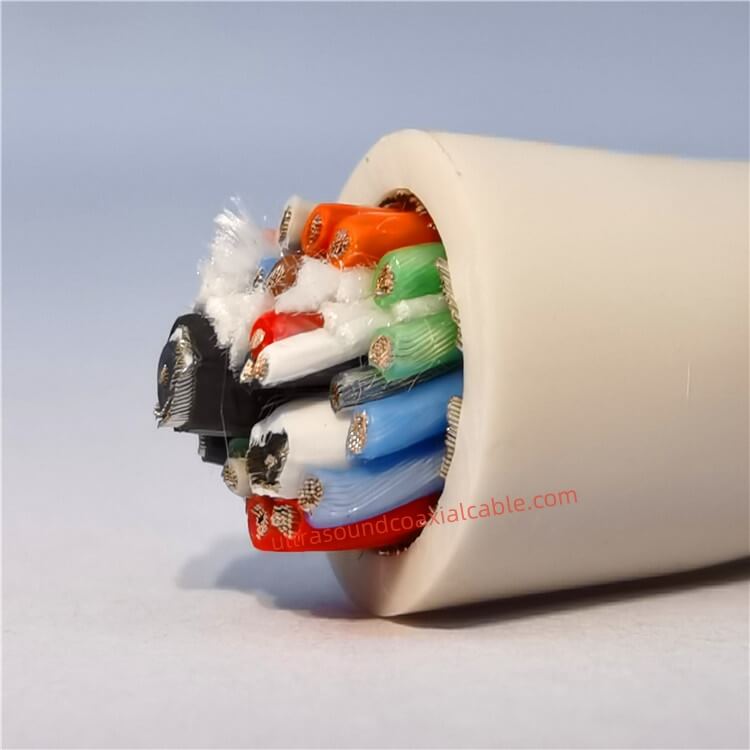
138-Core Medical Ultrasound Probe Coaxial Cable with 0.2mm Diameter – Biocompatible & FDA-Certified

138-Core Medical Ultrasound Probe Coaxial Cable with 0.2mm Diameter – Biocompatible & FDA-Certified

High-Precision 138-Core Medical Ultrasound Coaxial Cables | 0.2mm Ultra-Fine Biocompatible Design for Diagnostic Imaging Product Overview Engineered for advanced medical imaging systems, our 138-Core Medical Ultrasound Probe Coa.
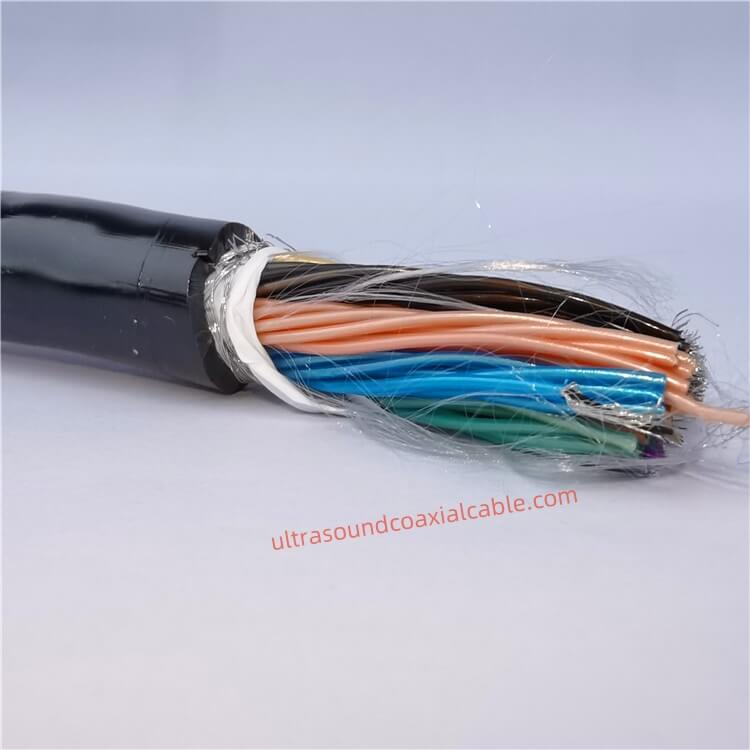
Customizable Ultrasound Coaxial Cable Assembly – 42AWG to 30AWG, 6.6mm OD, 18GHz Bandwidth

Customizable Ultrasound Coaxial Cable Assembly – 42AWG to 30AWG, 6.6mm OD, 18GHz Bandwidth

High-Performance Ultrasound Coaxial Cable Assembly: 42AWG to 30AWG, 6.6mm OD, 18GHz Bandwidth Engineered for precision in medical imaging and industrial applications, this customizable coaxial cable assembly delivers exceptional signal.

Ultra-Flexible Coaxial Cable for Ultrasound Transducers – 44AWG, 0.15dB/m Attenuation at 1GHz

Ultra-Flexible Coaxial Cable for Ultrasound Transducers – 44AWG, 0.15dB/m Attenuation at 1GHz

High-Performance Flexible Coaxial Cable for Medical Imaging & Ultrasound Systems Designed for demanding applications in medical imaging, industrial diagnostics, and high-frequency signal transmission, this ultra-flexible coaxial ca.
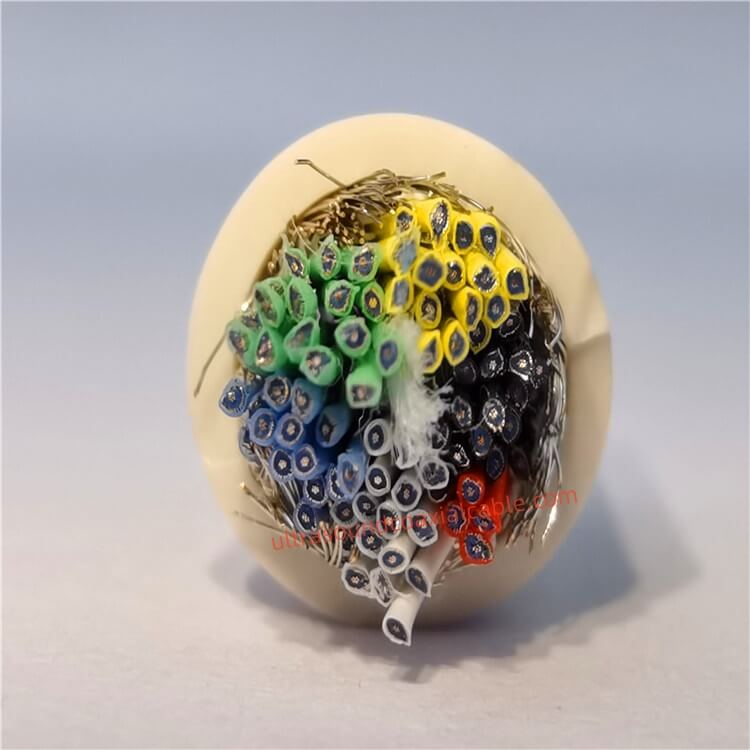
Ultrasound Coaxial Cable|High-Performance Signal Transmission for Precision Applications

Ultrasound Coaxial Cable|High-Performance Signal Transmission for Precision Applications

‌‌Product Overview‌The ‌Ultrasound Coaxial Cable‌ is a specialized cable engineered to deliver ultra-low signal loss, exceptional shielding, and unmatched durability in critical environments. Designed for medical imaging, industrial testi.

Contact Us

Feel free to reach out to us for any inquiries or orders.

Call Us

Have a question? Give us a call!

                   +8618818785005(Whatsapp)

Email Us

Send us an email and we'll get back to you soon.

sales@custom-cable-assemblies.com
       
Home Products Contact