What is the difference between analog and digital ultrasound coaxial cables? | High-Quality Ultrasound Coaxial Cable | ultrasound coaxial cable Manufacturer & Factory-FRS

What is the difference between analog and digital ultrasound coaxial cables?

Title: Analog vs. Digital Ultrasound Coaxial Cables: Key Differences and Performance Insights​ When it comes to medical imaging and diagnostic… - Professional Ultrasound Coaxial Cable Solutions

Information

Learn more about, latest news, frequently asked questions

Title: Analog vs. Digital Ultrasound Coaxial Cables: Key Differences and Performance Insights

When it comes to medical imaging and diagnostic equipment, the quality of signal transmission is critical. Ultrasound coaxial cables play a pivotal role in ensuring accurate and reliable data transfer between probes and processing systems. But with terms like “analog” and “digital” often thrown around, how do these cables differ, and which one suits your needs? Let’s break down the essentials.


1. Understanding Signal Types

Before diving into cables, it’s important to grasp the basics of analog and digital signals.

  • Analog signals​ represent data through continuous electrical waveforms. Think of them as smooth, fluctuating lines that mirror the original sound or image. For ultrasound, analog cables transmit raw voltage variations generated by the probe’s piezoelectric crystals .
  • Digital signals, on the other hand, convert data into discrete binary code (0s and 1s). This process involves sampling the analog signal at regular intervals and quantizing it into defined levels. Digital cables then transmit these pulses as electrical on-off signals .

Why It Matters for Ultrasound
Ultrasound systems rely on high-frequency signals (typically 2–20 MHz) to create images. Analog cables directly pass these signals but are prone to degradation over distance. Digital cables, while requiring conversion, offer noise immunity and precision—key for detailed imaging .


2. Structural Differences in Coaxial Cables

Both analog and digital ultrasound cables share a coaxial design, but subtle variations impact performance:

Core Components

  • Inner Conductor: High-purity copper or silver-plated copper ensures minimal resistance. Digital cables often use thicker conductors to handle rapid signal transitions .
  • Dielectric Insulator: Materials like polyethylene or PTFE reduce signal loss. Analog cables may use thinner layers, while digital variants prioritize impedance consistency (e.g., 75Ω for video/ultrasound) .
  • Shielding: Braided copper or foil layers block electromagnetic interference (EMI). Digital cables often feature dual shielding for enhanced noise rejection, crucial in hospital environments with MRI machines or Wi-Fi networks .
  • Outer Jacket: Flexible PVC or polyurethane protects internal layers. Medical-grade cables require biocompatibility and sterilization resistance .

Impedance Matching

Ultrasound systems demand precise impedance (usually 50–75Ω). Analog cables may tolerate slight mismatches, but digital cables require strict adherence to avoid signal reflections, which distort data integrity .


3. Performance Comparison

FeatureAnalog Ultrasound CablesDigital Ultrasound Cables
Signal FidelityProne to attenuation and noise over distanceHigh fidelity due to binary signal encoding
BandwidthLimited (suitable for basic imaging)Broad (supports high-frequency probes)
Noise ResistanceVulnerable to EMI and radio frequency interferenceImmune to noise via shielding and digital logic
InstallationSimpler, no conversion neededRequires ADC/DAC converters for signal processing
CostLower upfrontHigher initial investment, but long-term savings

4. When to Choose Analog vs. Digital

Analog Coaxial Cables

  • Best For: Entry-level ultrasound devices, portable systems, or short-distance connections (e.g., between a handheld probe and a monitor).
  • Limitations: Signal degradation over 10–15 feet, susceptibility to motion artifacts (e.g., cable movement during exams) .

Digital Coaxial Cables

  • Best For: High-end imaging systems, long cable runs (up to 100+ feet), and environments with heavy EMI.
  • Advantages: Maintains signal clarity for Doppler imaging, 3D/4D rendering, and multi-probe setups. Compatible with modern PACS (Picture Archiving and Communication Systems) .

5. Top Applications in Healthcare

  • Cardiology: Digital cables ensure precise echocardiogram imaging, critical for diagnosing heart conditions.
  • OB-GYN: High-frequency digital probes rely on robust coaxial cables for fetal monitoring.
  • Industrial Inspection: Analog cables suffice for basic non-destructive testing, but digital options excel in automated quality control systems .

FRS Coaxial Cables: Precision Engineered for Ultrasound

In the fast-evolving world of medical imaging, ​FRS Coaxial Cables​ stand out as a leader. Our products are meticulously designed to address the unique challenges of ultrasound systems:

  • Ultra-Low Loss: Silver-plated copper conductors and low-density dielectrics minimize signal attenuation, even at 20 MHz.
  • Military-Grade Shielding: Triple-layer shielding (foil + braid + foil) ensures immunity in MRI suites or high-RF environments.
  • Flexible & Durable: Braided polyurethane jackets withstand repeated sterilization (autoclave, ETO) without cracking.
  • Custom Solutions: Need a 50Ω cable for Doppler? Or a 75Ω assembly for 3D imaging? FRS tailors impedance, length, and connectors to your specs.

For clinics prioritizing reliability and clarity, FRS coaxial cables deliver unmatched performance—whether you’re upgrading legacy analog systems or deploying cutting-edge digital imaging suites.


Final Thoughts

Choosing between analog and digital ultrasound coaxial cables hinges on your equipment’s requirements and operational environment. While analog options offer simplicity, digital cables future-proof your setup with superior noise resistance and adaptability. Brands like FRS exemplify innovation, ensuring your diagnostic tools perform at their peak—every scan, every time.

Ready to elevate your imaging accuracy? Explore FRS Coaxial Cables today and experience the difference precision engineering makes.

Hot Selling Products

Discover our most popular furniture pieces that are loved by customers worldwide.

High-Precision Ultrasound Coaxial Cable for Medical Imaging – Low Noise, Flexible Design, 42AWG

High-Precision Ultrasound Coaxial Cable for Medical Imaging – Low Noise, Flexible Design, 42AWG

Ultra-Flexible 42AWG Medical-Grade Coaxial Cables for High-Precision Ultrasound Imaging Designed for demanding medical imaging applications, our Ultra-Flexible 42AWG Coaxial Cables deliver exceptional signal integrity, noise reduction,.

Ultra-Flexible Coaxial Cable for Ultrasound Transducers – 44AWG, 0.15dB/m Attenuation at 1GHz

Ultra-Flexible Coaxial Cable for Ultrasound Transducers – 44AWG, 0.15dB/m Attenuation at 1GHz

High-Performance Flexible Coaxial Cable for Medical Imaging & Ultrasound Systems Designed for demanding applications in medical imaging, industrial diagnostics, and high-frequency signal transmission, this ultra-flexible coaxial ca.
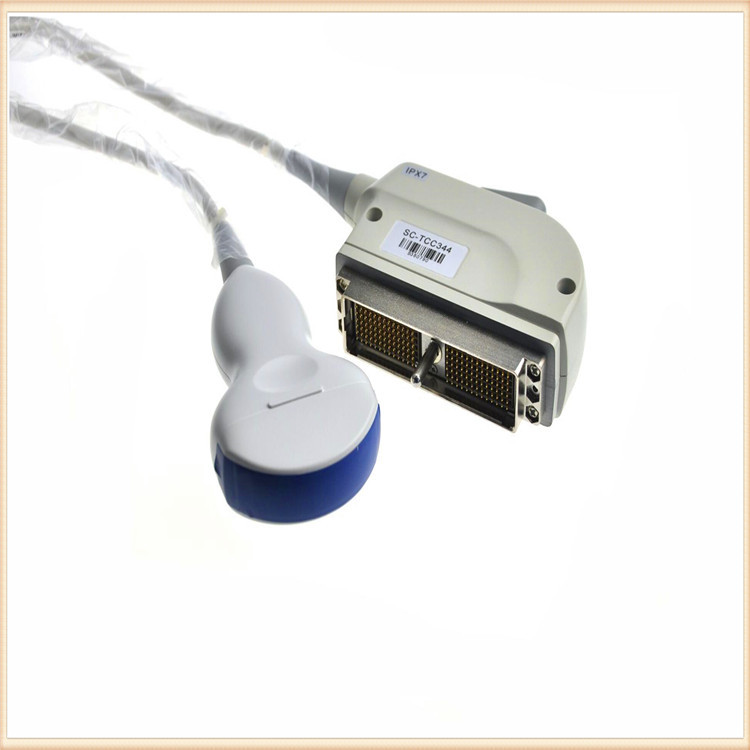
Military-Grade Ultrasound Coaxial Cable – High-Temperature Resistance, 100daN Compression Strength

Military-Grade Ultrasound Coaxial Cable – High-Temperature Resistance, 100daN Compression Strength

High-Performance Military Ultrasound Coaxial Cables: Built for Extreme Conditions Designed to meet the demanding requirements of military, aerospace, and medical applications, our Military-Grade Ultrasound Coaxial Cables deliver except.
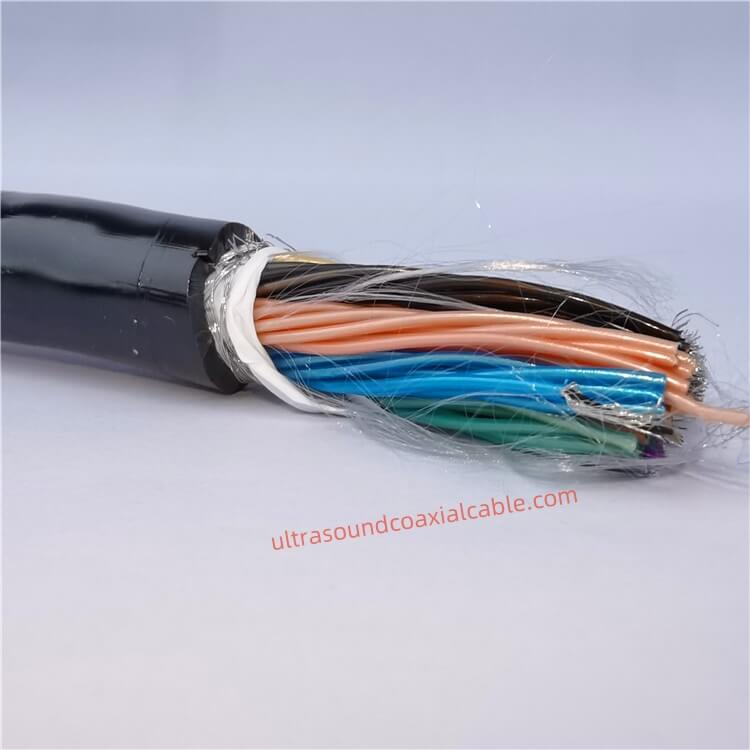
Customizable Ultrasound Coaxial Cable Assembly – 42AWG to 30AWG, 6.6mm OD, 18GHz Bandwidth

Customizable Ultrasound Coaxial Cable Assembly – 42AWG to 30AWG, 6.6mm OD, 18GHz Bandwidth

High-Performance Ultrasound Coaxial Cable Assembly: 42AWG to 30AWG, 6.6mm OD, 18GHz Bandwidth Engineered for precision in medical imaging and industrial applications, this customizable coaxial cable assembly delivers exceptional signal.

Contact Us

Feel free to reach out to us for any inquiries or orders.

Call Us

Have a question? Give us a call!

                   +8618818785005(Whatsapp)

Email Us

Send us an email and we'll get back to you soon.

sales@custom-cable-assemblies.com
       
Home Products Contact