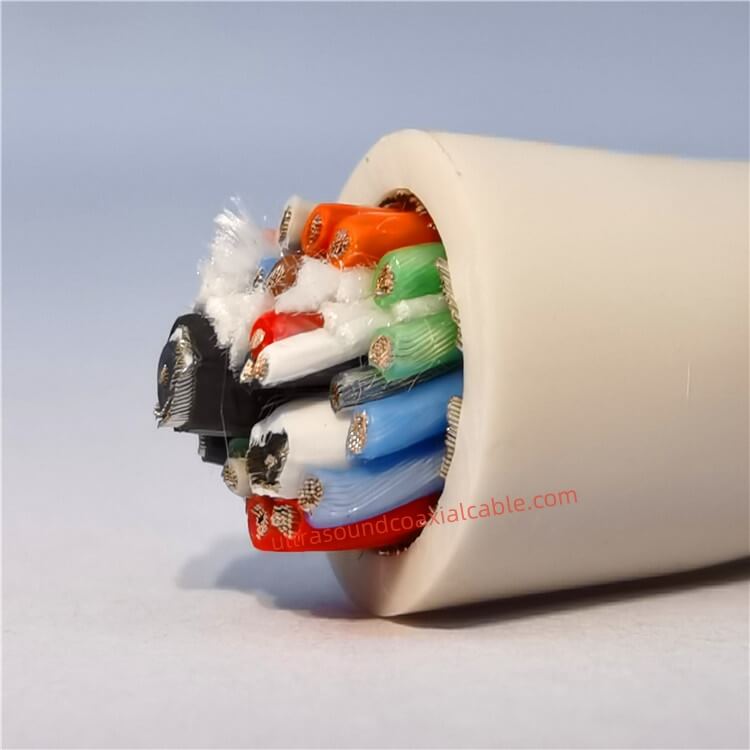
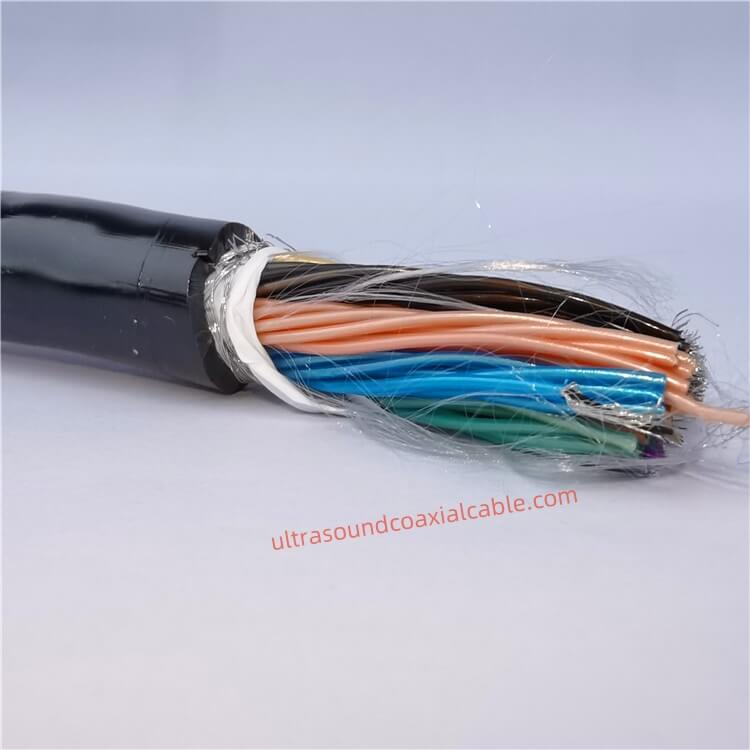
Ultrasound coaxial cables are the critical lifelines that transmit high-frequency signals between probes and imaging systems, ensuring accurate diagnostic results in medical imaging and industrial testing applications. When these cables begin to fail, they compromise image quality, diagnostic accuracy, and patient safety. Recognizing the early warning signs of cable degradation is essential for maintaining system reliability and avoiding costly downtime. This comprehensive guide explores the key indicators that signal when your ultrasound coaxial cable requires replacement, backed by industry standards, technical specifications, and practical maintenance insights.
Understanding Ultrasound Coaxial Cable Functionality
Ultrasound coaxial cables operate at frequencies ranging from 1MHz to 100MHz, transmitting the electrical signals generated by piezoelectric transducers to the imaging console. These specialized cables feature a center conductor surrounded by dielectric insulation, multiple shielding layers, and a protective outer jacket. The global ultrasound coaxial cable market, valued at approximately $500 million in 2025, is projected to grow at a 7% CAGR through 2033, driven by increasing demand for high-resolution medical imaging and industrial non-destructive testing applications.
The cable’s performance is measured by several critical parameters: impedance matching (typically 50Ω or 75Ω), signal attenuation (less than 0.5 dB/m at 50MHz), shielding efficiency (90%+), and mechanical durability. Medical-grade cables must also comply with stringent regulatory standards including ISO 13485 quality management systems, IEC 60601-1 electrical safety requirements, and RoHS/REACH environmental directives.
Key Warning Signs of Cable Degradation
1. Visual Physical Damage
The most obvious indicators of cable failure are visible physical defects. Regular inspection should include checking for:
- Fraying or Cracking Outer Jacket: The protective outer layer, typically made of medical-grade silicone, PUR, or PVC, can develop cracks or splits due to repeated bending, chemical exposure, or UV degradation. These openings allow moisture ingress, leading to corrosion of internal conductors and shielding.
- Kinks and Sharp Bends: Permanent kinks in the cable create stress points that can break the delicate center conductor or damage the dielectric insulation. The minimum bend radius should be at least 6 times the cable diameter to prevent internal damage.
- Damaged Strain Reliefs: The strain reliefs at both ends of the cable are designed to absorb mechanical stress. Cracks, tears, or delamination in these areas indicate the cable has been subjected to excessive pulling or twisting forces.
- Connector Damage: Bent or broken connector pins, loose connector housings, or visible corrosion on gold-plated contacts can cause intermittent connections and signal reflections.
2. Signal Quality Issues
Electrical performance degradation often precedes complete cable failure. Key signal-related indicators include:
- Image Artifacts and Noise: Increased electromagnetic interference (EMI) appears as random noise, ghosting, or banding in ultrasound images. This typically indicates compromised shielding integrity, allowing external signals to interfere with the delicate ultrasound signals.
- Signal Attenuation: Progressive loss of signal strength requires increasing gain settings to maintain image brightness. This suggests dielectric breakdown or conductor corrosion, leading to increased resistance and capacitance.
- Intermittent Connections: Flickering images or complete signal dropouts that resolve when the cable is moved or twisted indicate broken conductors or poor connections within the cable assembly.
- Impedance Mismatch: Reflections caused by impedance discontinuities create standing waves that manifest as image artifacts, reduced resolution, and decreased penetration depth.
3. Environmental Stress Indicators
Environmental factors can accelerate cable degradation:
- Moisture Ingress: Swelling or discoloration near connectors or damaged areas suggests water penetration, which can cause short circuits between conductors and rapid corrosion.
- Chemical Damage: Discoloration, softening, or cracking of the outer jacket after chemical sterilization indicates material incompatibility. Medical-grade cables should withstand repeated exposure to alcohol, IPA, and autoclave cycles (up to 135°C for 30 minutes).
- Temperature-Related Issues: Brittleness at low temperatures or softening at high temperatures suggests material degradation. Industrial-grade cables typically operate from -40°C to +125°C, while medical cables must maintain flexibility across sterilization temperature ranges.
Diagnostic Testing Methods
Electrical Testing Procedures
Professional diagnostic testing provides quantitative data to assess cable health:
- Continuity Testing: Using a multimeter to verify uninterrupted pathways between the center conductor and shield. Open circuits indicate broken conductors, while short circuits suggest insulation breakdown.
- Attenuation Measurement: Comparing signal strength at both ends of the cable. Excessive loss (typically >3 dB over 10 meters) indicates insulation degradation or conductor corrosion.
- Impedance Testing: Ensuring the cable maintains 50Ω or 75Ω impedance to match system requirements. Impedance mismatches cause signal reflections and reduced image quality.
- Time-Domain Reflectometry (TDR): Advanced testing that precisely locates faults within centimeters, ideal for long cable runs in industrial or hospital settings.
Performance Validation
After identifying potential issues, the cable should undergo comprehensive performance validation:
- Imaging Performance Checks: Testing the cable with ultrasound phantoms to verify image resolution, penetration depth, and artifact levels meet original equipment manufacturer (OEM) specifications.
- EMI Testing: Verifying that the cable’s shielding effectively blocks external electromagnetic interference, particularly critical in MRI environments where strong magnetic fields can induce currents in poorly shielded cables.
- Mechanical Durability Testing: Assessing the cable’s ability to withstand repeated flexing, pulling, and sterilization cycles without performance degradation.
When to Replace vs. Repair
The decision between cable replacement and repair depends on several factors:
- Age and Usage History: Cables typically have a service life of 3-5 years under normal usage conditions. Older cables with multiple repairs may be more cost-effective to replace.
- Extent of Damage: Minor damage near connectors may be repairable, while extensive damage along the cable length usually warrants replacement.
- Cost Considerations: When repair costs approach 50-70% of replacement cost, replacement often provides better long-term value and reliability.
- Performance Requirements: High-resolution imaging applications (4K ultrasound, 3D/4D imaging) demand cables with superior signal integrity that may not be achievable with repaired assemblies.
Industry Standards and Compliance Requirements
Medical ultrasound coaxial cables must meet rigorous regulatory standards to ensure patient safety and diagnostic accuracy:
- ISO 13485: Quality management system standard for medical devices, ensuring traceability, risk management, and consistent production processes.
- IEC 60601-1: Electrical safety standard requiring insulation resistance, dielectric strength, and protection against electrical hazards.
- FDA 510(k) Clearance: Required for medical devices sold in the United States, demonstrating equivalence to legally marketed devices and comprehensive testing for biocompatibility and electromagnetic compatibility.
- CE Marking: Mandatory for European market access under the Medical Device Regulation (MDR), requiring clinical evaluations and post-market surveillance.
- RoHS/REACH: Environmental directives restricting hazardous substances like lead and phthalates in materials.
Market Analysis and Industry Trends
The global ultrasound coaxial cable market is experiencing robust growth, driven by several key trends:
- Technological Advancements: Increasing demand for higher resolution imaging (4K and 8K ultrasound) requires cables with lower attenuation and superior shielding performance.
- Miniaturization: Development of ultra-thin cables (0.2mm diameter) for portable and handheld ultrasound devices, maintaining signal integrity while reducing size and weight.
- AI Integration: Smart cables with embedded sensors for real-time data analytics and predictive maintenance capabilities.
- Sustainability: Growing emphasis on recyclable materials and lead-free manufacturing processes to meet environmental regulations.
- Global Expansion: Increasing healthcare infrastructure development in emerging markets driving demand for reliable diagnostic equipment.
FRS: Your Trusted Partner in Ultrasound Coaxial Solutions
FRS has established itself as a leading manufacturer of medical-grade ultrasound coaxial cables, combining 15+ years of specialized expertise with comprehensive quality certifications. Our competitive advantages include:
- ISO 13485 Certification: Full compliance with global medical device quality management standards, ensuring consistent product quality and regulatory compliance.
- Advanced Manufacturing Capabilities: 100,000 sq. ft. production facilities equipped with state-of-the-art equipment for precision cable manufacturing.
- Customization Expertise: Ability to tailor cables for specific applications, including impedance matching, shielding performance, and connector configurations to meet OEM requirements.
- Global Service Network: Supply chain coverage spanning China, Europe, North America, and Southeast Asia, ensuring rapid delivery and local technical support.
- Proven Track Record: Trusted by leading medical equipment manufacturers including GE Healthcare and Siemens Healthineers for critical imaging applications.
Proactive Maintenance Strategies
Implementing a comprehensive maintenance program can significantly extend cable lifespan and prevent unexpected failures:
- Regular Inspection Schedule: Daily visual checks for physical damage, monthly flexibility testing, and quarterly electrical testing to catch issues early.
- Proper Handling Techniques: Training staff on correct cable coiling methods (large, loose loops), avoiding sharp bends, and never hanging probes by their cables.
- Appropriate Storage: Using dedicated storage cradles or holders, keeping cables in dry, cool environments away from direct sunlight and chemical exposure.
- Cleaning Protocols: Following manufacturer guidelines for cleaning and sterilization, avoiding harsh chemicals that can damage cable materials.
- Spare Cable Inventory: Maintaining backup cables for critical systems to minimize downtime during replacement or repair.
Conclusion
Recognizing the signs of ultrasound coaxial cable degradation is essential for maintaining diagnostic accuracy, patient safety, and operational efficiency. By understanding the visual, electrical, and environmental indicators of cable failure, implementing regular inspection and testing protocols, and partnering with certified manufacturers like FRS, healthcare providers and industrial users can ensure their ultrasound systems deliver reliable performance throughout their service life. Investing in high-quality cables and proactive maintenance not only reduces downtime and repair costs but also supports the delivery of accurate diagnostic results that are critical to patient care and industrial quality assurance.