In the rapidly advancing field of medical imaging, the Ultrasound Coaxial Cable is the unsung hero that bridges the gap… - Professional Ultrasound Coaxial Cable Solutions
Learn more about, latest news, frequently asked questions
In the rapidly advancing field of medical imaging, the Ultrasound Coaxial Cable is the unsung hero that bridges the gap between the transducer and the imaging system. For engineers and procurement managers, understanding the key specifications of these cables is not just about technical compliance—it’s about ensuring diagnostic accuracy, patient safety, and long-term system reliability. This article delves into the critical parameters that define a high-performance Ultrasound Coaxial Cable, explores the market dynamics, and highlights why choosing the right Ultrasound Coaxial Cable Manufacturer is a strategic business decision.
When evaluating a high-frequency ultrasound coaxial cable, the specifications must be viewed through the lens of clinical application. Here are the non-negotiable parameters:
The global Ultrasound Coaxial Cable market is experiencing robust growth, driven by technological advancements and increasing healthcare demands. According to recent market analysis, the market is projected to grow from 52.16billionin2025toover90 billion by 2032, representing a CAGR of approximately 8.1% .
Key drivers include:
For any Ultrasound Coaxial Cable Manufacturer, compliance with international standards is not optional. These certifications are your assurance of quality and safety:
In the competitive landscape of medical device manufacturing, common pain points can derail a project. Here’s how a strategic partnership with a manufacturer like FRS can address these challenges:
Specifying a high-frequency Ultrasound Coaxial Cable is a critical decision that impacts image quality, device reliability, and regulatory compliance. By focusing on key specifications like impedance control, low attenuation, and robust shielding, and by partnering with a certified manufacturer like FRS, medical device OEMs can ensure their products meet the demanding needs of modern healthcare.
Discover our most popular furniture pieces that are loved by customers worldwide.
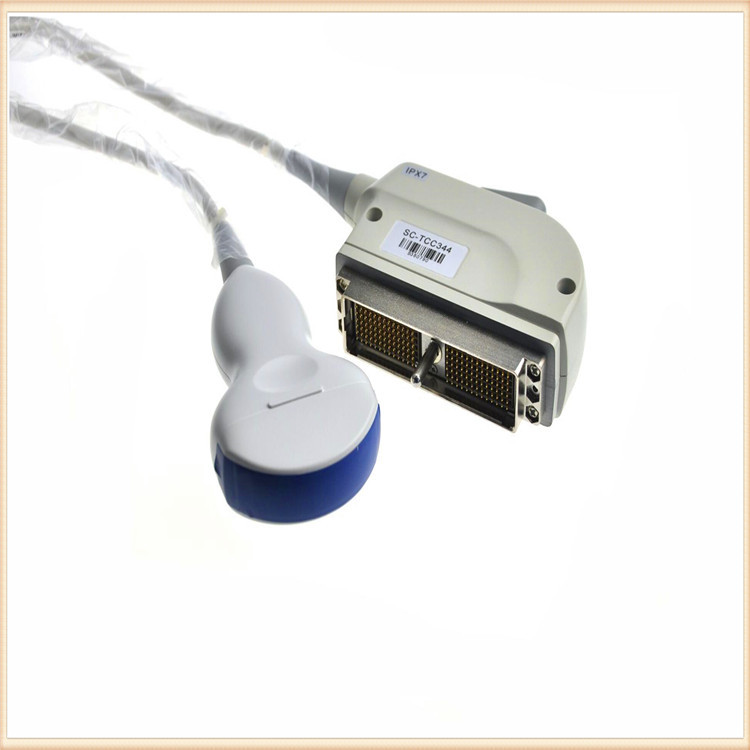
High-Performance Military Ultrasound Coaxial Cables: Built for Extreme Conditions Designed to meet the demanding requirements of military, aerospace, and medical applications, our Military-Grade Ultrasound Coaxial Cables deliver except.

High-Precision 138-Core Medical Ultrasound Coaxial Cables | 0.2mm Ultra-Fine Biocompatible Design for Diagnostic Imaging Product Overview Engineered for advanced medical imaging systems, our 138-Core Medical Ultrasound Probe Coa.
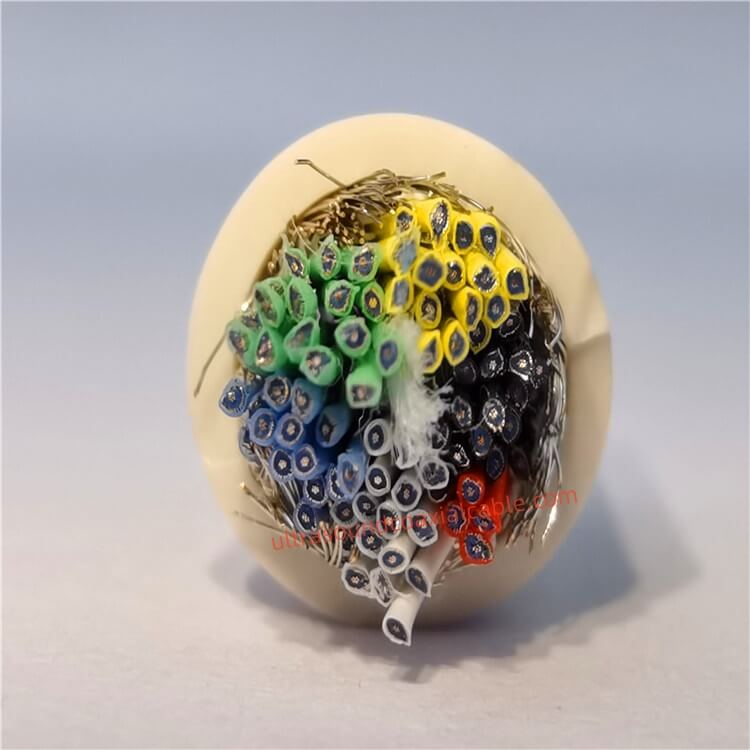
Product OverviewThe Ultrasound Coaxial Cable is a specialized cable engineered to deliver ultra-low signal loss, exceptional shielding, and unmatched durability in critical environments. Designed for medical imaging, industrial testi.

Ultra-Flexible 42AWG Medical-Grade Coaxial Cables for High-Precision Ultrasound Imaging Designed for demanding medical imaging applications, our Ultra-Flexible 42AWG Coaxial Cables deliver exceptional signal integrity, noise reduction,.
Feel free to reach out to us for any inquiries or orders.