The Critical Balance in Ultrasound Maintenance Medical ultrasound systems represent significant investments for healthcare facilities, with probes and cables being… - Professional Ultrasound Coaxial Cable Solutions
Learn more about, latest news, frequently asked questions
Medical ultrasound systems represent significant investments for healthcare facilities, with probes and cables being among the most vulnerable components to damage during disinfection procedures. Proper disinfection is not just about compliance—it’s about patient safety, equipment longevity, and operational efficiency. Ultrasound coaxial cables, which connect transducers to imaging systems, require particular attention as they contain delicate electrical components that can be compromised by improper cleaning techniques. Finding the right balance between effective pathogen elimination and equipment preservation is essential for any modern healthcare facility .
The stakes are high: studies indicate that contaminated ultrasound probes have been directly linked to healthcare-associated infections, with one systematic review confirming that multiple infection outbreaks resulted directly from failures in probe decontamination processes. These failures were all preventable with proper protocols . Meanwhile, repair costs for damaged ultrasound equipment can reach staggering amounts annually, with improper disinfection being a significant contributor to these expenses .
Ultrasound coaxial cables are particularly susceptible to damage from chemical disinfectants and physical stress. These cables contain multiple layers—including conductive elements, insulation, and shielding—all protected by an outer jacket. The materials used in this outer jacket can react adversely to certain chemicals, leading to discoloration, hardening, embrittlement, and eventual breakage .
Research indicates that alcohol-based products are especially damaging to cable components. When repeatedly applied, these disinfectants can degrade the cable’s protective layers, compromising both electrical safety and image quality. The strain reliefs and boot connectors—critical stress points where cables connect to probes and systems—are particularly vulnerable to damage from harsh chemicals .
The frequency of ultrasound examinations across nearly all hospital departments means these cables undergo frequent cleaning, accelerating wear when improper techniques are used. With ultrasound examinations covering everything from routine obstetrics to critical COVID-19 lung assessments, the need for reliable, well-maintained equipment has never been greater .
Before any disinfection occurs, thorough cleaning is necessary to remove ultrasound gel and biological residues. Residual couplant and debris can prevent disinfectants from making proper contact with surfaces and may even inactivate certain chemical agents. Use a soft cloth dampened with lukewarm soapy water or a mild detergent solution to gently wipe cables, taking care not to allow liquid to enter connector interfaces through electrical contacts .
For probes with grooves or gaps, a soft brush may be used carefully to remove embedded debris. However, brushes should generally be reserved for metal connector surfaces only. Importantly, avoid using dry paper towels for cleaning, as these can cause micro-abrasions that compromise the cable jacket’s integrity over time .
Disinfectant choice should be guided by the Spaulding Classification System, which categorizes medical devices based on infection risk. While probes contacting mucous membranes or non-intact skin require high-level disinfection, coaxial cables typically fall into the low-level disinfection category as they primarily contact intact skin or surfaces .
For routine cable disinfection:
Products to avoid include:
Proper application is as crucial as disinfectant selection. Follow these guidelines for optimal results:
For ultrasound procedures involving intact skin contact (abdominal, vascular, obstetric exams), low-level disinfection is typically sufficient. Quaternary ammonium disinfectant wipes have demonstrated effectiveness for this purpose, with research showing sterilization rates reaching 100% when applied for 1-2 minutes .
Composite double-chain quaternary ammonium salt disinfectant wipes are particularly effective, combining cleaning and disinfection in a single step. These pre-saturated wipes typically contain quaternary ammonium compounds at concentrations between 0.18%-0.22%, offering an optimal balance of efficacy and material compatibility .
When ultrasound probes are used for intracavity examinations, interventional procedures, or on broken skin, both probes and cables require more stringent disinfection. In these cases:
Medical device disinfection protocols must adhere to established standards. In China, the GB27949-2020 standard outlines specific requirements for medical device disinfectants, including compatibility with equipment materials . Similarly, the GB15982-2012 hospital disinfection standard provides guidelines for maintaining hygienic conditions in healthcare settings .
Internationally recognized standards include:
Manufacturers like FRS have developed specialized ultrasound cables with disinfection compatibility in mind. Key design features include:
FRS medical coaxial cables undergo rigorous validation against various sterilization methods, including plasma, ethylene oxide (ETO), steam autoclave, and Sterrad® sterilizers. This comprehensive testing ensures compatibility with hospital disinfection protocols while maintaining signal integrity essential for diagnostic imaging .
Human factors significantly impact disinfection outcomes. Studies reveal that specific hygiene training can substantially reduce bacterial contamination on ultrasound equipment. Implement regular training programs that cover:
Proper storage extends cable lifespan and maintains disinfection status:
Establish a quality assurance program that includes:
Automated systems represent a significant advancement in ultrasound cable disinfection. These systems offer:
Systems like the ASTRA Automated Disinfection System can reprocess multiple probes simultaneously using compatible high-level disinfectants such as hydrogen peroxide-based solutions. These systems typically complete the disinfection cycle within 10-16 minutes, making them practical for busy clinical environments .
Manufacturers are responding to disinfection challenges with technological innovations:
FRS continues to invest in research and development of ultrasound coaxial cables that meet evolving clinical needs while withstanding rigorous disinfection protocols. Their focus on miniaturization, flexibility, and durability ensures that healthcare providers can maintain the highest standards of infection control without compromising diagnostic capabilities .
The financial implications of ultrasound cable management are substantial. Industry reports indicate that over $75-100 million is spent annually on transducer repairs, with cable damage representing a significant portion of these costs . Implementing proper disinfection protocols can yield considerable returns through:
Healthcare facilities that invest in proper training and compatible equipment typically see a rapid return on investment through reduced repair frequency and improved patient outcomes.
Ensuring proper disinfection of medical ultrasound coaxial cables without causing damage requires a multifaceted approach combining appropriate product selection, staff education, and standardized protocols. By understanding cable vulnerabilities, selecting compatible disinfectants, and implementing careful techniques, healthcare facilities can maintain both patient safety and equipment integrity. Manufacturers like FRS play a crucial role in this ecosystem by designing cables that withstand rigorous disinfection while maintaining optimal performance. Through continued collaboration between healthcare providers and equipment manufacturers, the medical community can achieve the dual goals of infection prevention and equipment preservation, ultimately delivering better patient care while managing operational costs effectively.
Discover our most popular furniture pieces that are loved by customers worldwide.
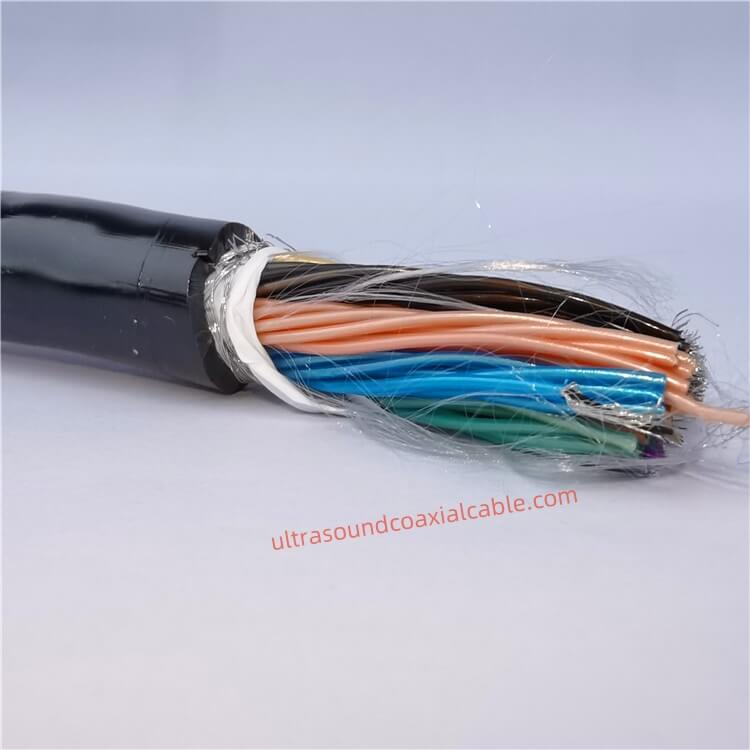
High-Performance Ultrasound Coaxial Cable Assembly: 42AWG to 30AWG, 6.6mm OD, 18GHz Bandwidth Engineered for precision in medical imaging and industrial applications, this customizable coaxial cable assembly delivers exceptional signal.
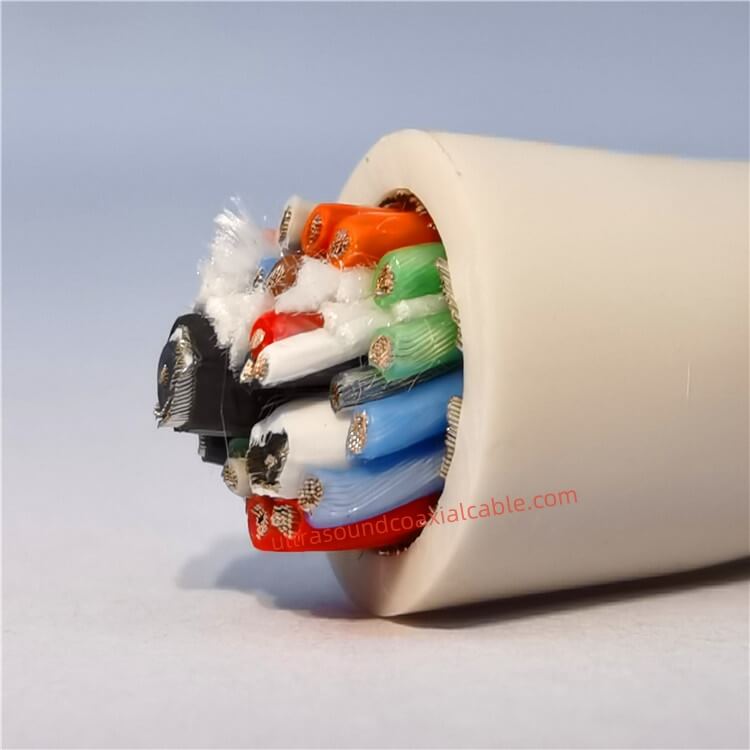
High-Precision 138-Core Medical Ultrasound Coaxial Cables | 0.2mm Ultra-Fine Biocompatible Design for Diagnostic Imaging Product Overview Engineered for advanced medical imaging systems, our 138-Core Medical Ultrasound Probe Coa.
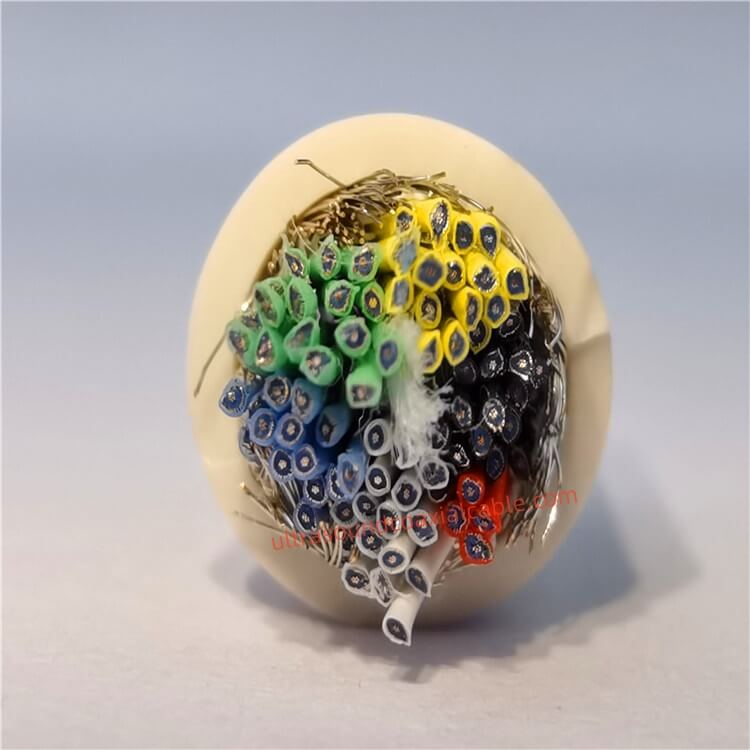
Product OverviewThe Ultrasound Coaxial Cable is a specialized cable engineered to deliver ultra-low signal loss, exceptional shielding, and unmatched durability in critical environments. Designed for medical imaging, industrial testi.

High-Performance Flexible Coaxial Cable for Medical Imaging & Ultrasound Systems Designed for demanding applications in medical imaging, industrial diagnostics, and high-frequency signal transmission, this ultra-flexible coaxial ca.
Feel free to reach out to us for any inquiries or orders.