How to Choose the Right AWG Size for a Custom Ultrasound Probe Cable? | High-Quality Ultrasound Coaxial Cable | ultrasound coaxial cable Manufacturer & Factory-FRS

How to Choose the Right AWG Size for a Custom Ultrasound Probe Cable?

Selecting the correct American Wire Gauge (AWG) size is a critical technical decision when designing or specifying a custom ultrasound… - Professional Ultrasound Coaxial Cable Solutions

Information

Learn more about, latest news, frequently asked questions

Selecting the correct American Wire Gauge (AWG) size is a critical technical decision when designing or specifying a custom ultrasound probe cable. This choice directly impacts the cable’s electrical performance, signal fidelity, flexibility, durability, and ultimately, the image quality and reliability of the entire diagnostic ultrasound system. This guide provides a deep dive into the factors influencing AWG selection, moving beyond basic charts to address the practical engineering and application challenges faced by OEMs and medical device integrators.

Understanding AWG and Its Impact on Ultrasound Performance

At its core, the AWG number defines the cross-sectional area of the conductive wire within the ultrasound coaxial cable. A lower AWG number indicates a thicker conductor. For the sensitive micro-coaxial cables used in ultrasound probes, typical AWG sizes range from 44 to 30 AWG. The conductor is just one layer; the overall cable construction includes dielectric insulation, shielding, and outer jacketing, all of which must be optimized in concert.

The primary electrical trade-off is between signal loss and flexibility:

  • Thicker Conductors (e.g., 30-36 AWG):​ Offer lower electrical resistance (DC loss) and potentially lower signal attenuation at high frequencies. This can be crucial for maintaining signal integrity in longer cables or high-channel-count probes. However, they result in a stiffer, larger-diameter cable assembly, which can hinder ergonomics and probe maneuverability.
  • Thinner Conductors (e.g., 40-44 AWG):​ Enable exceptional flexibility, allowing for smaller, lighter, and more agile probe heads. This is vital for intracavitary (e.g., TEE, transvaginal) and specialty probes. The trade-off is higher resistance and greater susceptibility to signal attenuation, which must be compensated for through superior cable design, advanced materials, and signal processing electronics.

Key Factors for AWG Selection: Beyond the Basics

  1. Probe Type & Clinical Application:​ The medical procedure dictates physical requirements.
    • Curvilinear/Convex & Linear Array Probes:Often use mid-range AWG (e.g., 36-40 AWG), balancing moderate length with needed durability for general imaging.
    • Phased Array & Cardiac Probes:May utilize slightly thicker conductors (34-38 AWG) to ensure optimal signal timing and clarity for dynamic cardiac imaging.
    • Intracavitary and Small-Parts Probes:Demand maximum flexibility, pushing designs toward 40-44 AWG ultra-fine coaxial wires. Partnering with an experienced Ultrasound Coaxial Cable Manufacturer​ like FRS​ is essential here, as our expertise in micro-miniature cabling ensures reliability isn’t sacrificed for size.
  2. Channel Count & Cable Density:​ Modern high-density probes pack 192, 256, or more channels into a single cable. Higher channel counts necessitate thinner individual wires (higher AWG) to fit within a manageable overall diameter. FRS​ specializes in high-density, fine-pitch cabling solutions that maintain electrical isolation and minimize crosstalk—a common product pain point​ in crowded cable bundles.
  3. Electrical Performance Requirements:​ This is where data-driven decisions matter.
    • Attenuation:A key specification measured in dB/m at the operational frequency (e.g., 5-15 MHz). While a thicker conductor (lower AWG) can reduce conductor loss, the dielectric material choice (e.g., PFPE, advanced PE) often has a greater impact on overall attenuation. FRS​ engineers model and test these interactions to recommend the optimal AWG-material pairing.
    • Impedance & VSWR:Consistency is paramount. The cable must maintain a stable 50-75 Ohm impedance. Variations in conductor diameter (AWG) or dielectric concentricity can cause impedance mismatches, leading to reflections (high VSWR) that degrade image resolution. Our manufacturing process ensures exceptional concentricity and impedance control, a critical product selling point​ for image-sensitive applications.
  4. Mechanical Durability & Lifespan:​ An often-overlooked product pain point​ is cable failure due to flex fatigue. Thinner AWG wires can be more susceptible to breakage under repeated stress. The solution​ lies not just in AWG choice, but in the entire mechanical design:
    • Stranding:Using high-count, fine-strand copper (e.g., silver-plated) improves flexibility and fatigue life for a given AWG.
    • Shielding & Jacketing:The strain relief, shielding weave density, and outer jacket material (e.g., medical-grade thermoplastic elastomers) from FRS​ are engineered to protect the delicate internal conductors, translating to a longer Mean Time Between Failure (MTBF) and reduced total cost of ownership for our B2B clients.

Industry Standards, Certifications, and Market Considerations

A custom cable must comply with stringent medical standards. The choice of AWG and materials affects compliance with:

  • Electrical Safety:​ IEC 60601-1. Proper insulation and spacing, influenced by wire size, are critical for patient isolation.
  • Biocompatibility:​ ISO 10993. The cable jacket materials must be certified for skin contact or intended use.
  • EMI/RFI Performance:​ Effective shielding, designed around the cable bundle, is essential to prevent interference in sensitive hospital environments.

The market is trending towards higher-channel, more portable, and handheld ultrasound devices. This drives demand for thinner, lighter, yet more robust cables—a challenge that requires manufacturers to innovate. FRS​ invests in precision extrusion and assembly technologies to meet this demand, offering OEMs and medical device manufacturers​ a reliable supply chain partner for both prototyping and volume production.

Conclusion and Final Recommendation

There is no universal “best” AWG for an ultrasound probe cable. The right AWG size​ emerges from a holistic analysis of your specific probe’s electrical targets, mechanical envelope, clinical use case, and regulatory pathway.

As a leading Ultrasound Coaxial Cable Manufacturer, FRS​ advises engaging in early-stage collaboration. By involving our engineering team during the design phase, you can navigate these complex trade-offs efficiently. We provide data-backed recommendations, rapid prototyping with various AWG and material options, and scalable manufacturing to deliver a cable that optimizes both probe performance and clinical utility. Let FRS​ be your partner in turning your innovative probe concept into a reliable, high-performance reality.

Hot Selling Products

Discover our most popular furniture pieces that are loved by customers worldwide.
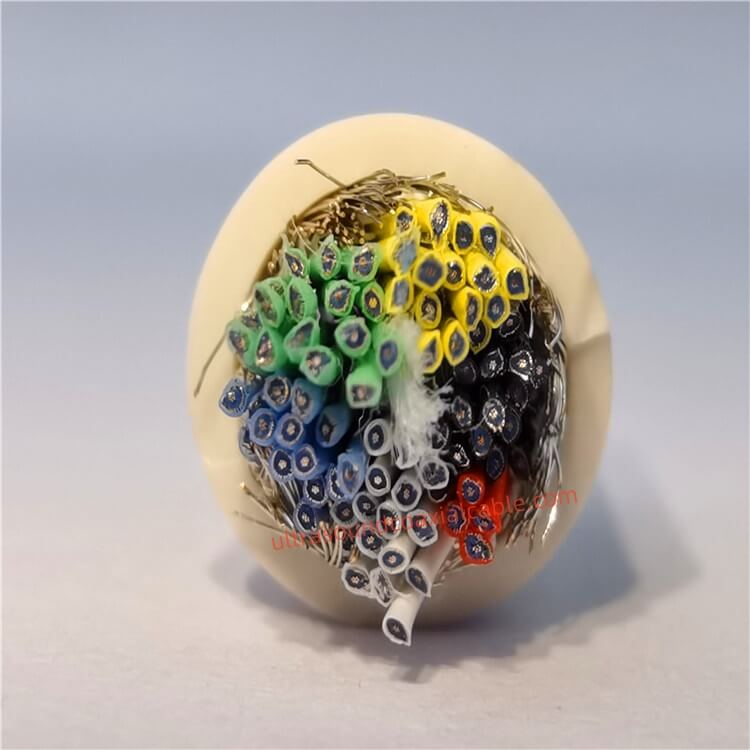
Ultrasound Coaxial Cable|High-Performance Signal Transmission for Precision Applications

Ultrasound Coaxial Cable|High-Performance Signal Transmission for Precision Applications

‌‌Product Overview‌The ‌Ultrasound Coaxial Cable‌ is a specialized cable engineered to deliver ultra-low signal loss, exceptional shielding, and unmatched durability in critical environments. Designed for medical imaging, industrial testi.
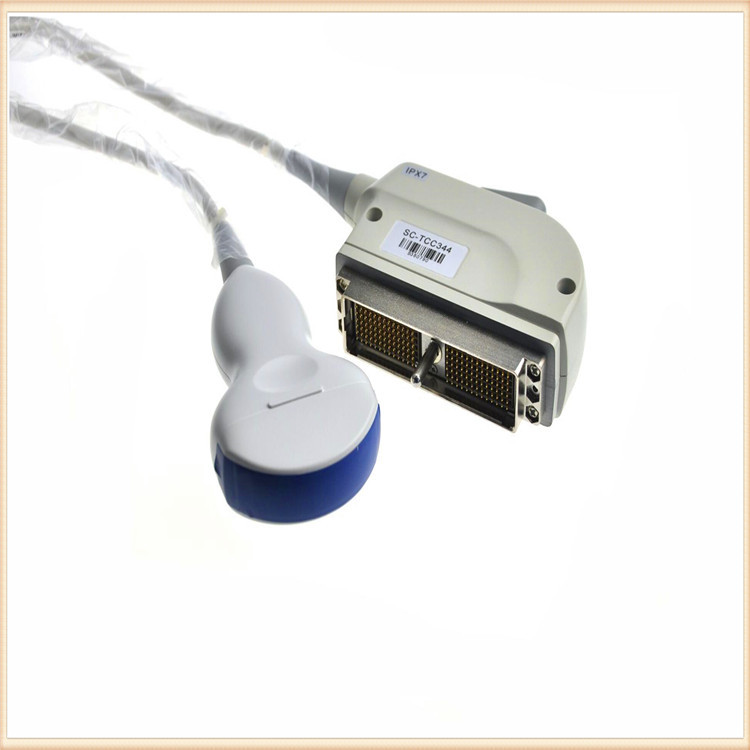
Military-Grade Ultrasound Coaxial Cable – High-Temperature Resistance, 100daN Compression Strength

Military-Grade Ultrasound Coaxial Cable – High-Temperature Resistance, 100daN Compression Strength

High-Performance Military Ultrasound Coaxial Cables: Built for Extreme Conditions Designed to meet the demanding requirements of military, aerospace, and medical applications, our Military-Grade Ultrasound Coaxial Cables deliver except.

Ultra-Flexible Coaxial Cable for Ultrasound Transducers – 44AWG, 0.15dB/m Attenuation at 1GHz

Ultra-Flexible Coaxial Cable for Ultrasound Transducers – 44AWG, 0.15dB/m Attenuation at 1GHz

High-Performance Flexible Coaxial Cable for Medical Imaging & Ultrasound Systems Designed for demanding applications in medical imaging, industrial diagnostics, and high-frequency signal transmission, this ultra-flexible coaxial ca.
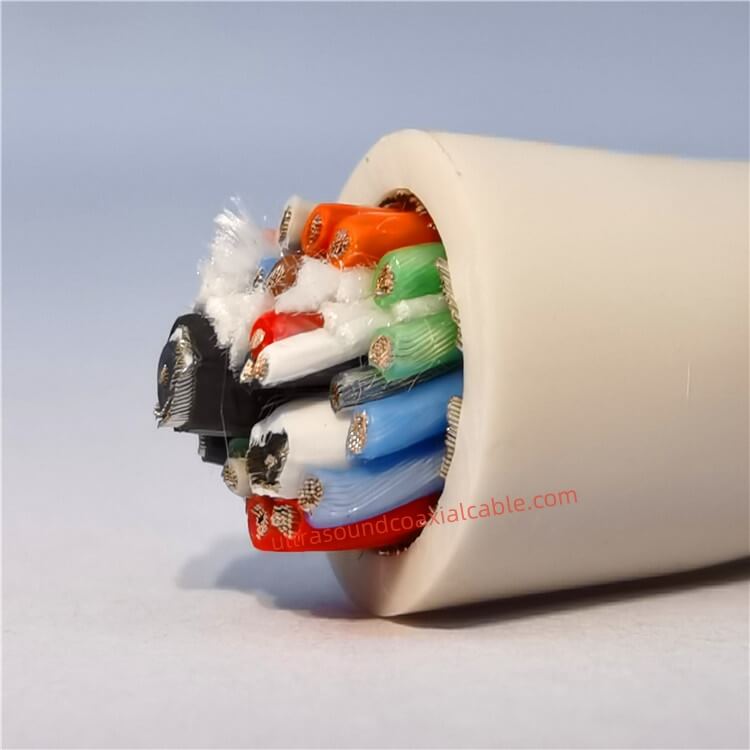
138-Core Medical Ultrasound Probe Coaxial Cable with 0.2mm Diameter – Biocompatible & FDA-Certified

138-Core Medical Ultrasound Probe Coaxial Cable with 0.2mm Diameter – Biocompatible & FDA-Certified

High-Precision 138-Core Medical Ultrasound Coaxial Cables | 0.2mm Ultra-Fine Biocompatible Design for Diagnostic Imaging Product Overview Engineered for advanced medical imaging systems, our 138-Core Medical Ultrasound Probe Coa.

Contact Us

Feel free to reach out to us for any inquiries or orders.

Call Us

Have a question? Give us a call!

                   +8618818785005(Whatsapp)

Email Us

Send us an email and we'll get back to you soon.

sales@custom-cable-assemblies.com
       
Home Products Contact