Selecting the right high-flexibility ultrasound coaxial cable is a critical decision that directly impacts diagnostic accuracy, equipment reliability, and patient… - Professional Ultrasound Coaxial Cable Solutions
Learn more about, latest news, frequently asked questions
Selecting the right high-flexibility ultrasound coaxial cable is a critical decision that directly impacts diagnostic accuracy, equipment reliability, and patient safety. These specialized cables serve as the vital link between ultrasound transducers and imaging systems, transmitting high-frequency signals that produce the detailed images clinicians rely on for accurate diagnoses. With the global ultrasound coaxial cable market projected to reach 800millionto1.1 billion by 2030 and growing at a CAGR of 5-7%, understanding the key selection criteria has never been more important for medical equipment manufacturers, healthcare facilities, and system integrators.
High-flexibility ultrasound coaxial cables feature a sophisticated layered design engineered for demanding medical environments. The core components include a central conductor typically made of copper or silver-plated copper alloy, dielectric insulation material, metallic shielding, and a protective outer jacket. Medical-grade coaxial cables require exceptionally fine conductors, often ranging from 38AWG to 46AWG (approximately 0.12mm to 0.06mm in diameter), to accommodate the high channel counts needed in modern ultrasound systems.
The shielding configuration is particularly crucial for medical applications. Premium ultrasound coaxial cables incorporate multiple shielding layers, such as spiral shields with tinned copper wire offering 90% coverage combined with braid shields providing 85% coverage. This multi-layer approach ensures superior protection against electromagnetic interference (EMI), which is essential for maintaining signal integrity in electromagnetically noisy hospital environments.
Impedance matching is fundamental for ultrasound applications. Most medical ultrasound systems operate at standardized impedances of 50Ω or 75Ω. Mismatched impedance can cause signal reflections that degrade image quality. For instance, high-end ultrasound systems typically require 50Ω impedance cables with minimal signal loss, while video transmission components might need 75Ω cables.
Capacitance values significantly impact signal quality, with medical ultrasound cables typically falling between 50pF and 110pF. Lower capacitance cables (50-60pF) are ideal for high-frequency applications where signal preservation is critical, while higher capacitance cables (110pF) may be suitable for specific transducer types.
Signal attenuation must be minimized, especially for longer cable runs. Look for cables with low insertion loss characteristics, typically measured in dB per meter at relevant frequencies (2-15MHz for medical imaging). Premium medical coaxial cables maintain consistent impedance (±2Ω) across their operating frequency range to ensure accurate signal transmission.
Flexibility and fatigue resistance are paramount for ultrasound probes that undergo frequent movement during examinations. Medical coaxial cables should withstand 300,000+ flex cycles without performance degradation. This exceptional durability is achieved through advanced materials like fluoropolymer insulation and specialized shielding designs that maintain integrity during repeated bending and twisting.
Cable diameter affects handling characteristics, with thinner cables (7.0mm outer diameter) offering greater maneuverability. However, thinner designs must not compromise shielding effectiveness or mechanical strength. The optimal balance depends on the application—portable ultrasound systems may prioritize slim designs, while fixed installations might favor slightly thicker, more robust cables.
Connector compatibility ensures seamless integration with existing equipment. Medical facilities should verify connector types (F-type, BNC, or proprietary designs) and pin configurations before selection. FRS medical coaxial cables feature standardized connectors with precision-machined contacts that maintain stable electrical connections through repeated mating cycles.
Ultrasound signals are sensitive to electromagnetic interference (EMI). A robust shielding layer (e.g., braided copper or aluminum foil) is essential to maintain signal integrity. Key shielding types include single-shielded for basic protection in low-interference environments, and quad-shielded designs that combine foil and braid for maximum EMI resistance—ideal for hospitals with complex electronic systems.
FRS cables feature multi-layer shielding to eliminate noise, ensuring crystal-clear imaging even in high-traffic clinical settings. This is particularly important in environments with multiple electronic devices that can generate interference degrading ultrasound image quality.
Ultrasound frequencies vary widely—from 20 kHz (industrial cleaning) to 100 MHz (high-resolution medical imaging). Your cable must support the operational bandwidth: low-frequency cables (e.g., 20–200 kHz) are used in therapeutic ultrasound or humidifiers, while high-frequency cables (e.g., 5–20 MHz) are essential for diagnostic imaging to capture fine tissue details.
FRS offers dual-frequency catheter cables that combine low- and high-frequency elements in a single design, enabling versatile applications like intravascular imaging.
For medical use, cables must meet stringent biocompatibility standards (e.g., ISO 10993). Materials like tinned copper conductors and biocompatible outer jackets prevent toxicity and ensure patient safety. FRS cables are FDA-cleared and tested for cytotoxicity, ensuring they’re safe for human contact in surgical and imaging systems.
Ultrasound systems often operate in demanding environments. Look for cables rated for wide temperature ranges (-55°C to +180°C), chemical resistance (e.g., in surgical sterilization), and flex fatigue resistance for repeated bending in robotic arms. FRS cables thrive in extreme conditions, making them suitable for aerospace, military, and emergency medical vehicles.
Off-the-shelf cables rarely fit every need. Customization allows you to tailor length and diameter for specific imaging depths, conductor materials (e.g., silver-plated copper for high-frequency efficiency), and jacket materials (e.g., medical-grade silicone for flexibility). FRS specializes in bespoke designs, like 0.2mm micro cables for endoscopic imaging, combining size and performance.
High-resolution diagnostic ultrasound, including cardiac, obstetric, and abdominal imaging, demands cables with exceptional signal integrity. These applications typically require 72-channel or higher configurations with impedance stability within ±2Ω. For example, cardiology systems benefit from coaxial cables with silver-plated conductors that provide optimal high-frequency response for detailed Doppler measurements.
Portable and handheld ultrasound devices have distinct requirements, prioritizing lightweight, flexible cables with small bend radii. These compact systems often utilize micro-coaxial designs with 42AWG-46AWG conductors that minimize weight while maintaining transmission quality. The growing portable ultrasound market (expanding 12% annually) drives innovation in cable miniaturization without performance compromise.
Surgical and interventional applications require cables that withstand sterilization protocols including autoclaving at 135°C. FRS autoclave-ready coaxial cables feature ETFE insulation and platinum-cured silicone jackets that maintain performance through repeated sterilization cycles. These cables also incorporate enhanced shielding to prevent interference from electrosurgical units.
Veterinary and emergency medicine applications often need ruggedized cables that tolerate harsh environments. These implementations benefit from cables with abrasion-resistant outer jackets and reinforced strain relief at connection points. The FRS durability-enhanced series exceeds standard flex life requirements by 40%, making it ideal for mobile medical units and field applications.
Medical coaxial cables must adhere to stringent regulatory standards to ensure patient and operator safety. Key certifications include IEC 60601-2-37 for medical electrical equipment, RoHS 3.0 and REACH SVHC compliance for environmental safety, and 100% hipot testing (1500VAC/1min) for electrical safety. FRS maintains ISO9001, ISO13485, and IATF16949 certifications, demonstrating commitment to quality management systems.
The global ultrasound coaxial cable market is experiencing steady growth, driven by increasing adoption of medical ultrasound technology, advancements in non-destructive testing, and the expansion of healthcare infrastructure in emerging economies. North America currently leads the market, driven by advanced healthcare systems and significant investments in medical technology. The Asia-Pacific region shows particularly strong growth potential, with a projected CAGR of 12.5%, fueled by healthcare infrastructure expansion and increasing demand for diagnostic imaging equipment.
Emerging trends include the development of ultra-high frequency (UHF) cables optimized for transmitting signals in the hundreds of megahertz and gigahertz range, enabling higher resolution imaging. Miniaturization continues to be a key focus, with manufacturers developing ultra-thin cables (as small as 0.2mm diameter) for minimally invasive procedures and compact medical devices. Smart cables with integrated sensors for real-time monitoring of signal integrity, temperature, and strain are gaining traction, enhancing diagnostic accuracy and equipment longevity.
FRS Ultrasonic Solutions is a high-tech manufacturing enterprise dedicated to R&D, production, and technical services of customized ultrasonic coaxial cables. With over 20 years of manufacturing experience in ultra-fine ultrasound coaxial cables, FRS has established itself as a leading customized cable solutions provider.
Key Advantages of FRS Cables:
FRS cables are engineered for exact impedance matching, ensuring seamless integration with transducers and receivers. Our multi-layer shielding eliminates noise, ensuring crystal-clear imaging even in high-traffic clinical settings. With ISO9001/IATF16949/ISO13485 certifications proving our commitment to excellent standards, FRS ultrasound coaxial cable Technology stands ready to meet your every need.
Choosing the right high-flexibility ultrasound coaxial cable requires careful consideration of technical specifications, application requirements, and environmental factors. By prioritizing flexibility, shielding, and application-specific design, you can select a cable that enhances imaging accuracy and durability. For cutting-edge solutions, FRS Coaxial Cables combine medical-grade precision with industrial robustness, making them a standout choice in competitive markets.
Discover our most popular furniture pieces that are loved by customers worldwide.
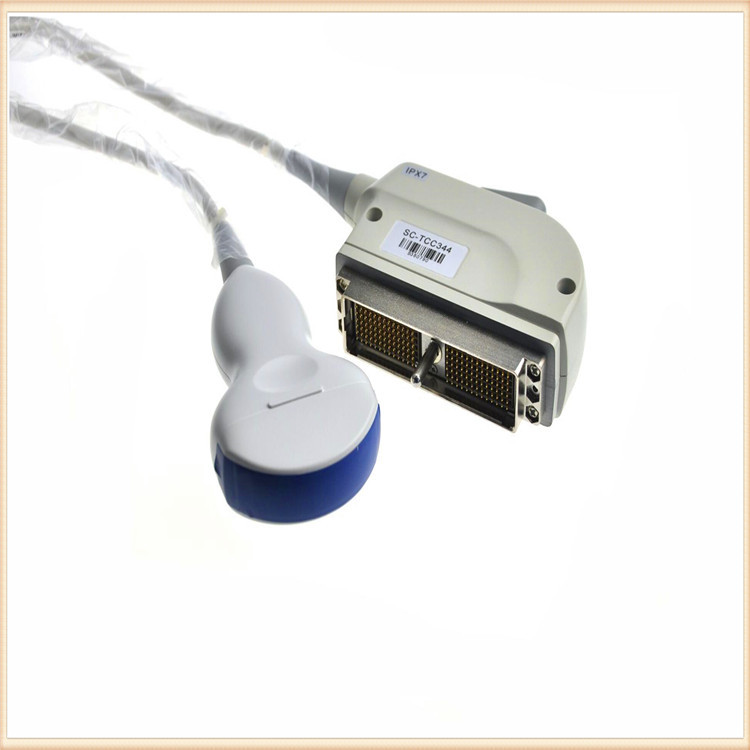
High-Performance Military Ultrasound Coaxial Cables: Built for Extreme Conditions Designed to meet the demanding requirements of military, aerospace, and medical applications, our Military-Grade Ultrasound Coaxial Cables deliver except.
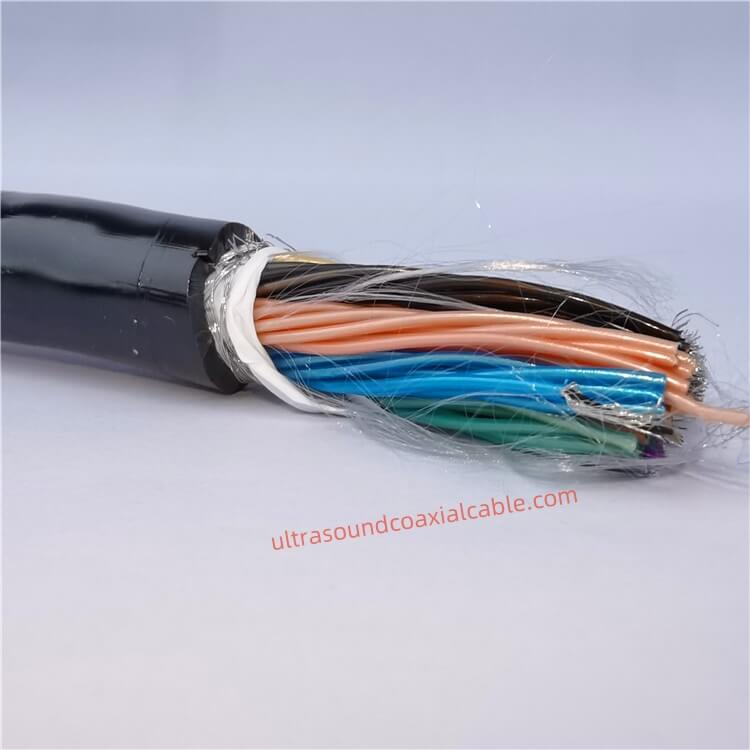
High-Performance Ultrasound Coaxial Cable Assembly: 42AWG to 30AWG, 6.6mm OD, 18GHz Bandwidth Engineered for precision in medical imaging and industrial applications, this customizable coaxial cable assembly delivers exceptional signal.
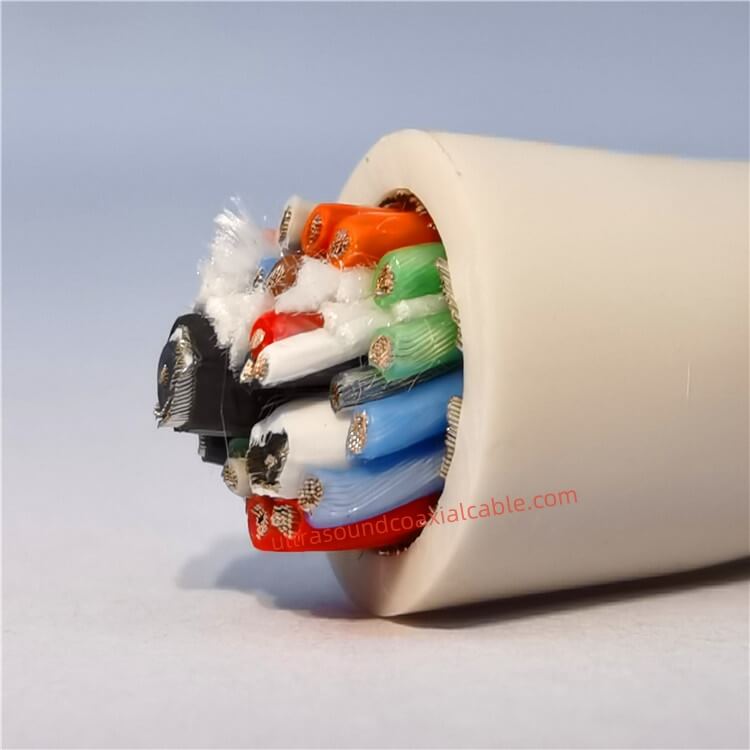
High-Precision 138-Core Medical Ultrasound Coaxial Cables | 0.2mm Ultra-Fine Biocompatible Design for Diagnostic Imaging Product Overview Engineered for advanced medical imaging systems, our 138-Core Medical Ultrasound Probe Coa.
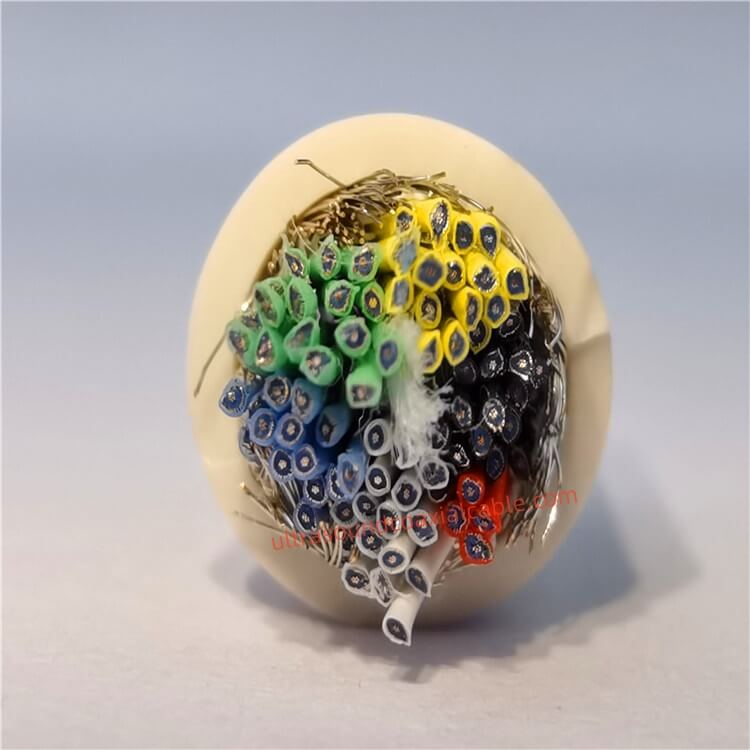
Product OverviewThe Ultrasound Coaxial Cable is a specialized cable engineered to deliver ultra-low signal loss, exceptional shielding, and unmatched durability in critical environments. Designed for medical imaging, industrial testi.
Feel free to reach out to us for any inquiries or orders.