Title: Ultimate Guide to Preventing Kinks in Flexible Ultrasound Coaxial Cables Flexible ultrasound coaxial cables are critical in medical imaging,… - Professional Ultrasound Coaxial Cable Solutions
Learn more about, latest news, frequently asked questions
Title: Ultimate Guide to Preventing Kinks in Flexible Ultrasound Coaxial Cables
Flexible ultrasound coaxial cables are critical in medical imaging, industrial diagnostics, and research applications. Their ability to transmit high-frequency signals with precision makes them indispensable. However, improper handling can lead to kinking—a common issue that degrades signal quality and shortens cable lifespan. In this guide, we’ll explore actionable strategies to prevent kinking, backed by industry best practices and insights from leading manufacturers like FRS.
Kinking happens when cables are bent beyond their minimum bend radius or subjected to repeated stress. For ultrasound coaxial cables, this often occurs during:
FRS cables are engineered with helical shielding and flexible dielectric materials to resist kinking, but even the toughest cables require proper care.
Prevention starts with selecting cables built for durability. Look for:
For medical applications, prioritize biocompatible cables like FRS’ 72-Channel Ultrasonic Probe Cables, designed for MRI and ultrasound systems.
Pro Tip: Treat cables like delicate instruments—they’re no match for rough handling!
FRS’ Low-Capacitance Coaxial Cables are optimized for flexibility, making them ideal for tight spaces in medical imaging systems.
Improper storage is a leading cause of kinking. Adopt these habits:
For industrial setups, FRS offers retractable cable reels that automatically rewind cables without twisting.
Cables often fray near connectors or stress points. Strengthen these zones with:
FRS’ Silicone Probe Cables feature reinforced strain relief, reducing the risk of damage at connector junctions.
External conditions can weaken cables over time:
Human error is preventable with education:
FRS provides custom training programs for healthcare and industrial clients, ensuring safe cable handling in critical applications.
Not all cables are created equal. FRS stands out with:
For example, FRS’ 204-Conductor Ultrasound Probe Cables combine flexibility with minimal signal attenuation, ideal for portable diagnostic tools.
Preventing kinking in flexible ultrasound coaxial cables requires a blend of smart handling, durable design, and proactive maintenance. By choosing FRS cables—engineered for precision and reliability—you’ll minimize downtime and ensure consistent performance in demanding environments. Whether in medical imaging or industrial testing, FRS delivers solutions that bend without breaking.
Ready to upgrade your cables? Explore FRS’ full range of ultrasound coaxial cables today and experience unmatched durability and clarity.
Keywords integrated: ultrasound coaxial cable, prevent kinking, medical imaging cables, flexible coaxial cable, industrial cable solutions, FRS cables, signal integrity, cable handling best practices.
Discover our most popular furniture pieces that are loved by customers worldwide.
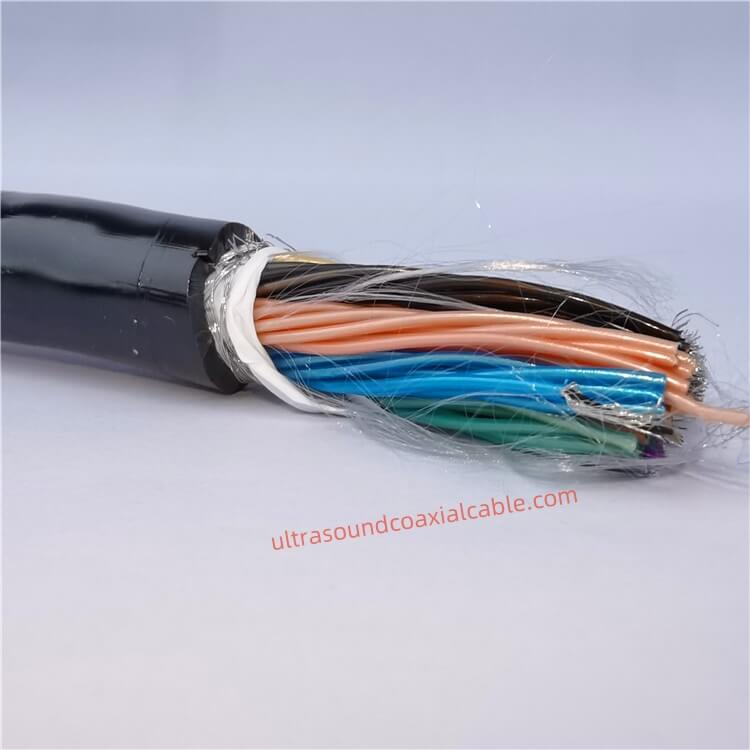
High-Performance Ultrasound Coaxial Cable Assembly: 42AWG to 30AWG, 6.6mm OD, 18GHz Bandwidth Engineered for precision in medical imaging and industrial applications, this customizable coaxial cable assembly delivers exceptional signal.

Ultra-Flexible 42AWG Medical-Grade Coaxial Cables for High-Precision Ultrasound Imaging Designed for demanding medical imaging applications, our Ultra-Flexible 42AWG Coaxial Cables deliver exceptional signal integrity, noise reduction,.
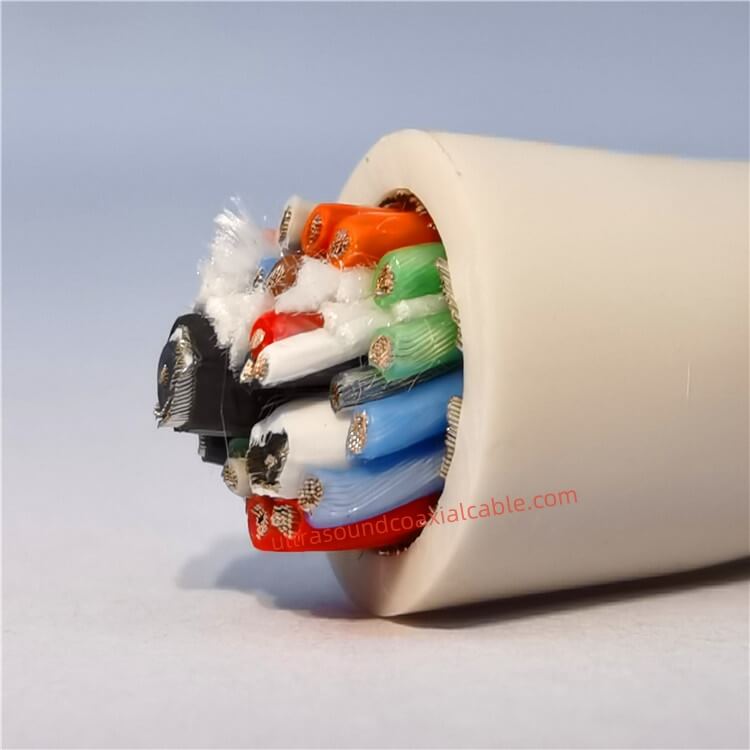
High-Precision 138-Core Medical Ultrasound Coaxial Cables | 0.2mm Ultra-Fine Biocompatible Design for Diagnostic Imaging Product Overview Engineered for advanced medical imaging systems, our 138-Core Medical Ultrasound Probe Coa.

High-Performance Flexible Coaxial Cable for Medical Imaging & Ultrasound Systems Designed for demanding applications in medical imaging, industrial diagnostics, and high-frequency signal transmission, this ultra-flexible coaxial ca.
Feel free to reach out to us for any inquiries or orders.