How to avoid damaging an ultrasound coaxial cable during installation? | High-Quality Ultrasound Coaxial Cable | ultrasound coaxial cable Manufacturer & Factory-FRS

How to avoid damaging an ultrasound coaxial cable during installation?

Protect Your Ultrasound Coaxial Cables: A Step-by-Step Guide to Safe Installation​ Ultrasound coaxial cables are critical components in medical imaging,… - Professional Ultrasound Coaxial Cable Solutions

Information

Learn more about, latest news, frequently asked questions

Protect Your Ultrasound Coaxial Cables: A Step-by-Step Guide to Safe Installation

Ultrasound coaxial cables are critical components in medical imaging, industrial diagnostics, and high-frequency communication systems. These cables transmit sensitive signals with precision, but improper handling during installation can lead to signal loss, physical damage, or costly downtime. Whether you’re setting up a medical imaging suite or upgrading industrial equipment, here’s how to safeguard your ultrasound coaxial cables throughout the installation process.


1. Choose the Right Cable for Your Application

Not all coaxial cables are created equal. Selecting the appropriate type ensures compatibility and durability. For ultrasound systems, prioritize cables with:

  • Low signal attenuation: High-frequency applications require cables with minimal signal loss over distance.
  • Robust shielding: Medical environments demand cables resistant to electromagnetic interference (EMI) to maintain image clarity .
  • Flexible yet durable construction: Look for cables with stranded copper conductors and PTFE insulation for flexibility and heat resistance .

FRS Tip: Opt for cables labeled for medical-grade or industrial-grade use. Brands like FRS specialize in high-performance coaxial solutions tailored to harsh environments.


2. Plan the Installation Path Strategically

Poor routing is a leading cause of cable damage. Avoid these pitfalls:

  • Sharp bends: Coaxial cables have a minimum bend radius (typically 5–10 times the cable diameter). Sharp kinks can crush the center conductor or fray shielding .
  • Proximity to power sources: Keep cables away from electrical wiring or motors to prevent EMI. Use separate pathways for power and signal lines .
  • Tight spaces: Use cable trays or conduits to protect cables from compression or abrasion.

Example: In a hospital ultrasound room, route cables along walls or ceilings using adhesive-backed raceways to avoid foot traffic and equipment movement.


3. Handle Connectors with Care

Connectors are vulnerable points in coaxial systems. Follow these best practices:

  • Clean contacts: Use isopropyl alcohol and lint-free swabs to remove dust or grease before attaching connectors. Contaminants increase resistance and signal noise .
  • Avoid over-tightening: Over-screwing connectors can deform the dielectric core. Use a torque wrench if available.
  • Secure connections: Lock connectors with retaining rings or adhesive to prevent accidental dislodgment.

FRS Advantage: FRS connectors feature precision-molded shielding and torque-resistant designs, ensuring reliable connections even in high-vibration settings.


4. Protect Against Environmental Hazards

Ultrasound cables often operate in demanding environments. Shield them from:

  • Moisture: Use waterproof connectors or encapsulation materials for outdoor or humid installations. Silicone-based sealants add an extra layer of protection .
  • Chemical exposure: In industrial settings, avoid solvents or corrosive agents that degrade insulation. Opt for cables with fluoropolymer jackets.
  • Physical stress: Anchor cables to walls or floors using UV-resistant cable ties. Avoid stapling or piercing cables with nails.

Case Study: A veterinary clinic used FRS’s gel-filled connectors in a MRI-compatible ultrasound system, eliminating signal interference from MRI machines.


5. Test and Validate the Installation

Post-installation checks are crucial for long-term performance:

  • Signal integrity testing: Use a vector network analyzer (VNA) to measure return loss and insertion loss. Ensure values align with manufacturer specs .
  • Mechanical stress tests: Gently tug the cable to confirm connectors remain secure. Look for cracks in insulation.
  • EMI checks: Monitor signal noise with an oscilloscope. Abnormal spikes indicate shielding failures.

Pro Tip: Document test results and label cable endpoints for future maintenance.


6. Maintenance: Preventative Measures for Longevity

Regular upkeep extends cable lifespan:

  • Inspect monthly: Check for wear, cracks, or corrosion. Replace damaged sections immediately.
  • Avoid overloading: Ensure cables operate within their rated temperature and voltage limits. Overheating softens insulation .
  • Update firmware: For digital ultrasound systems, ensure software is compatible with cable specifications.

FRS Support: FRS offers maintenance kits with replacement connectors and diagnostic tools to streamline upkeep.


Why Partner with FRS?​

FRS has been a leader in coaxial cable innovation for over two decades. Their products are engineered for:

  • Medical-grade reliability: Certifications like ISO 13485 ensure compliance with healthcare standards.
  • Custom solutions: From flexible endoscopes to rigid industrial probes, FRS tailors cables to unique requirements.
  • Global compliance: Certifications (UL, RoHS) guarantee safety across markets.

Final Checklist for Safe Installation

  1. Verify cable type matches application (e.g., semi-rigid for fixed setups, flexible for portable devices).
  2. Use FRS’s torque wrench for connector tightening.
  3. Label all cables with voltage and frequency ratings.
  4. Schedule annual inspections for critical systems.

By following these steps, you’ll minimize risks and ensure your ultrasound coaxial cables deliver consistent, high-quality performance. For specialized needs, consult FRS’s engineering team to design a custom solution that fits your workflow.

Ready to upgrade your setup? Explore FRS’s coaxial cable portfolio today!

Hot Selling Products

Discover our most popular furniture pieces that are loved by customers worldwide.

High-Precision Ultrasound Coaxial Cable for Medical Imaging – Low Noise, Flexible Design, 42AWG

High-Precision Ultrasound Coaxial Cable for Medical Imaging – Low Noise, Flexible Design, 42AWG

Ultra-Flexible 42AWG Medical-Grade Coaxial Cables for High-Precision Ultrasound Imaging Designed for demanding medical imaging applications, our Ultra-Flexible 42AWG Coaxial Cables deliver exceptional signal integrity, noise reduction,.
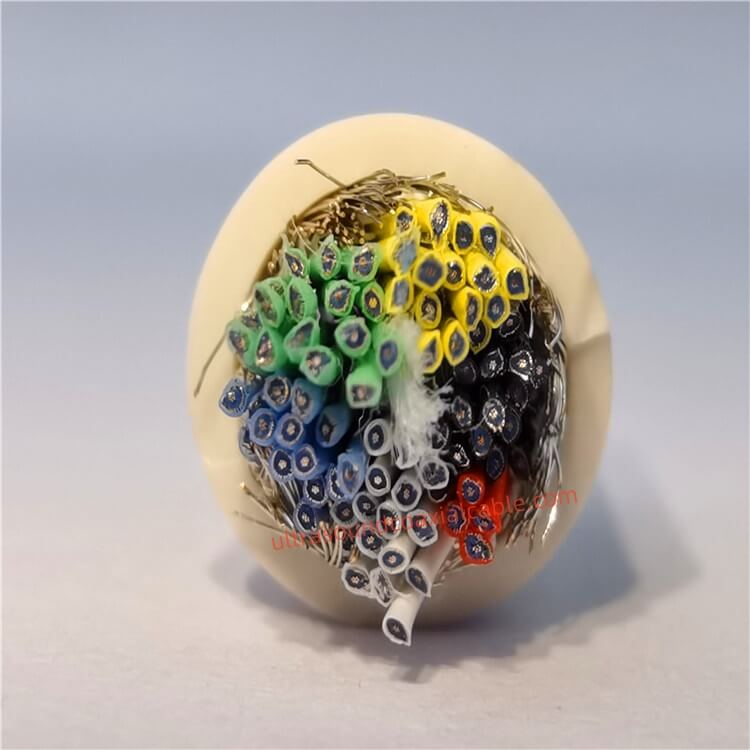
Ultrasound Coaxial Cable|High-Performance Signal Transmission for Precision Applications

Ultrasound Coaxial Cable|High-Performance Signal Transmission for Precision Applications

‌‌Product Overview‌The ‌Ultrasound Coaxial Cable‌ is a specialized cable engineered to deliver ultra-low signal loss, exceptional shielding, and unmatched durability in critical environments. Designed for medical imaging, industrial testi.

Ultra-Flexible Coaxial Cable for Ultrasound Transducers – 44AWG, 0.15dB/m Attenuation at 1GHz

Ultra-Flexible Coaxial Cable for Ultrasound Transducers – 44AWG, 0.15dB/m Attenuation at 1GHz

High-Performance Flexible Coaxial Cable for Medical Imaging & Ultrasound Systems Designed for demanding applications in medical imaging, industrial diagnostics, and high-frequency signal transmission, this ultra-flexible coaxial ca.
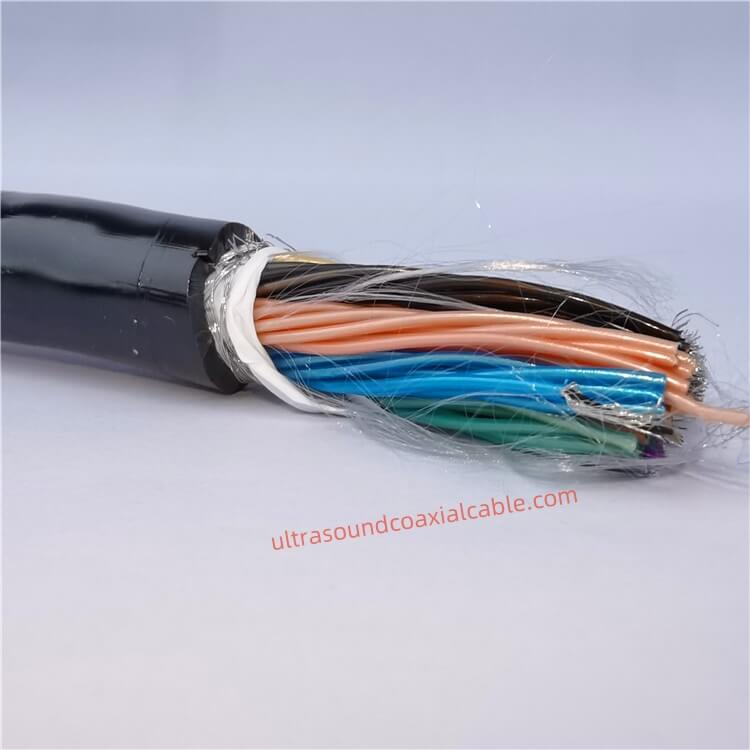
Customizable Ultrasound Coaxial Cable Assembly – 42AWG to 30AWG, 6.6mm OD, 18GHz Bandwidth

Customizable Ultrasound Coaxial Cable Assembly – 42AWG to 30AWG, 6.6mm OD, 18GHz Bandwidth

High-Performance Ultrasound Coaxial Cable Assembly: 42AWG to 30AWG, 6.6mm OD, 18GHz Bandwidth Engineered for precision in medical imaging and industrial applications, this customizable coaxial cable assembly delivers exceptional signal.

Contact Us

Feel free to reach out to us for any inquiries or orders.

Call Us

Have a question? Give us a call!

                   +8618818785005(Whatsapp)

Email Us

Send us an email and we'll get back to you soon.

sales@custom-cable-assemblies.com
       
Home Products Contact