In the world of medical ultrasound imaging, much attention is rightly paid to transducer technology, signal processing algorithms, and display… - Professional Ultrasound Coaxial Cable Solutions
Learn more about, latest news, frequently asked questions
In the world of medical ultrasound imaging, much attention is rightly paid to transducer technology, signal processing algorithms, and display quality. However, one critical component often overlooked is the ultrasound coaxial cable that connects the transducer to the processing unit. These specialized cables play a surprisingly significant role in determining the final image quality clinicians rely on for accurate diagnoses.
Ultrasound coaxial cables serve as the essential pathway for transmitting delicate electrical signals between the transducer elements and the main imaging system. Their design and construction directly influence several key performance parameters that can make or break image quality.
Signal Integrity Preservation is perhaps the most crucial function of these cables. As high-frequency electrical pulses travel from the transducer to the main unit, any degradation or distortion directly translates into image artifacts. Research demonstrates that in conventional ultrasound systems using 2-meter cables, signal attenuation becomes increasingly problematic at higher frequencies . This is particularly critical since higher frequencies provide better resolution but experience greater attenuation through cable runs.
The issue of cable reflections presents another significant challenge. When an excitation pulse travels down the cable, some energy reflects back toward the transducer when impedance mismatches occur. With short cables, these reflections arrive quickly enough to cause minimal disruption. However, as cable length increases, these reflections can create secondary excitation pulses that manifest as ghost artifacts in the final image . One study documented that with 60-meter cables, technicians observed doubled excitation pulses and duplicate backwall echoes, significantly compromising near-surface resolution .
Electrical noise pickup represents a third concern, especially in clinically environments rich with electromagnetic interference from other medical equipment. Properly shielded ultrasound coaxial cables minimize this interference, preserving the signal-to-noise ratio essential for clear imaging .
Controlled studies reveal the tangible effects of cable performance on imaging metrics. In one experiment using a 10 MHz broadband contact transducer to measure a 10 mm steel reference block, increasing cable length from 1 meter to 60 meters resulted in a thickness reading error of 1.64 mm . The progression of distortion was measurable even at moderate lengths—with a 10-meter cable, technicians observed widening of the backwall echo and development of an extra cycle .
Crosstalk between adjacent elements in multi-channel arrays presents another cable-related challenge. Research on row-column addressed 2-D transducer arrays found nearest neighbor crosstalk levels of -23.9±3.7 dB when arrays functioned as both transmitters and receivers . This electrical interference between channels can reduce image contrast and detail resolution.
Impedance matching challenges become more pronounced at higher operational frequencies. As transducer element impedances increase with frequency, driving long cables directly becomes increasingly difficult . The capacitance mismatch between a conventional 2-meter cable (approximately 203 pF) and a transducer element (approximately 5 pF) creates a significant capacitive attenuator that can degrade signal strength before it even reaches the main processing unit .
The performance requirements for medical-grade ultrasound coaxial cables are defined by various international standards. The GB/T 17737.1-2013 standard for coaxial communication cables outlines specific requirements for radio-frequency cables used in communication equipment and similar technologies . These standards address critical parameters including:
Compliance with these standards ensures that ultrasound coaxial cables can maintain signal integrity under the physical stresses of clinical use, including repeated flexing and exposure to cleaning agents.
Leading manufacturers have developed sophisticated solutions to address these challenges. The COMFORT EX Ultrasound Micro Coax Cable incorporates a combination of high-grade copper and silver to reduce signal loss and interference . This materials approach helps minimize heat generation during imaging procedures, potentially reducing examination times and energy consumption .
Advanced shielding technologies are equally critical. Double-shielded coaxial designs provide enhanced protection against environmental RF noise, especially important in electrically noisy clinical environments . Some specialized cables implement innovative construction techniques, such as placing resilient support tubes over twisted wire pairs to maintain uniform torque-transmission properties . This approach minimizes rotational non-uniformities that can cause image distortion in intravascular ultrasound applications where cables must spin uniformly within blood vessels .
For high-frequency applications, some manufacturers have developed cables with integrated impedance matching networks that help maintain signal integrity across the entire frequency spectrum. These technical innovations demonstrate how thoughtful cable design can directly address the physical limitations that compromise image quality.
Different ultrasound applications present unique challenges that demand specialized cable solutions:
Cardiovascular and Intravascular Ultrasound requires exceptionally thin, flexible cables that can navigate tortuous vascular pathways while maintaining signal integrity. These applications often employ miniature coaxial cables with diameters as small as fractions of a millimeter . The development of backing-layer-shared dual-frequency transducers that utilize a single coaxial cable represents a significant advancement in this space, allowing for both deep penetration and high-resolution imaging without increasing catheter size .
Portable and Handheld Ultrasound Devices benefit from lightweight, flexible cables that reduce operator fatigue during extended procedures. Modern designs incorporate advanced materials that balance flexibility with durability, surviving the repeated coiling and uncoiling that occurs in mobile applications. Some innovative probes even integrate processing circuitry directly into the transducer housing, eliminating long cable runs altogether .
High-Frequency Specialty Applications such as dermatological, ophthalmological, and musculoskeletal imaging demand cables optimized for high-frequency operation where signal loss is most problematic. These specialized applications often require custom solutions with unique impedance characteristics and minimal phase distortion across the operating bandwidth.
At FRS, we’ve addressed these challenges through our comprehensive approach to ultrasound cable design. Our Micro-Coax Cable Series incorporates multiple technological innovations:
Our cables undergo rigorous testing per GB/T 17737.108-2018 standards for characteristic impedance, phase and group delay, and propagation velocity . This commitment to quality assurance ensures consistent performance across production batches and throughout the product lifecycle.
The evidence clearly demonstrates that ultrasound coaxial cables are far more than simple connectors—they are active components that significantly influence system performance and image quality. As ultrasound technology advances toward higher frequencies and more portable form factors, the demands on cable design will only increase.
Medical facilities should consider cable specifications as carefully as they evaluate other system components. Likewise, manufacturers must continue innovating to develop cables that can support the next generation of ultrasound imaging technology. When selecting ultrasound equipment, asking the right questions about cable quality can make a substantial difference in long-term diagnostic confidence and clinical outcomes.
The pathway to superior ultrasound imaging runs directly through the coaxial cable—recognizing this fundamental truth is the first step toward optimizing diagnostic performance across medical specialties.
Discover our most popular furniture pieces that are loved by customers worldwide.
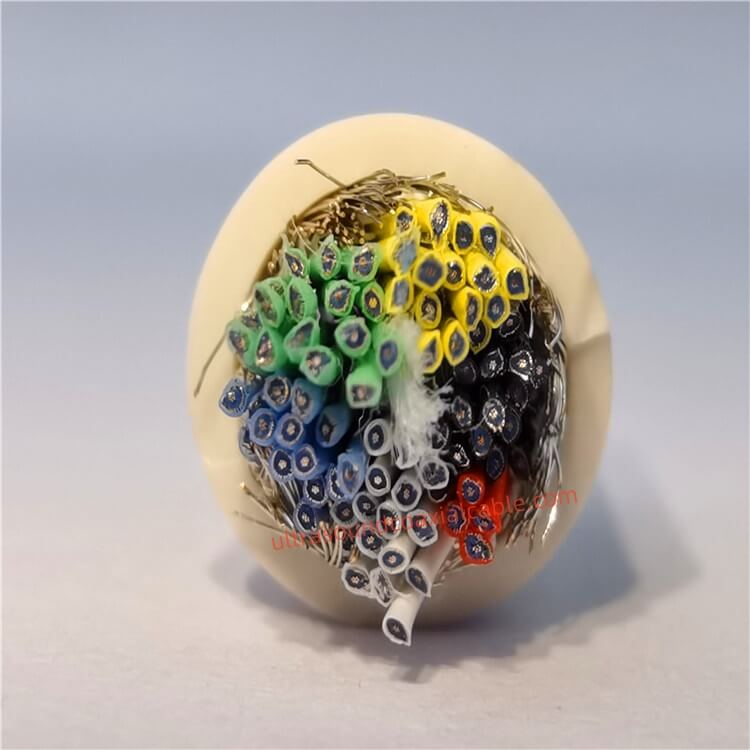
Product OverviewThe Ultrasound Coaxial Cable is a specialized cable engineered to deliver ultra-low signal loss, exceptional shielding, and unmatched durability in critical environments. Designed for medical imaging, industrial testi.
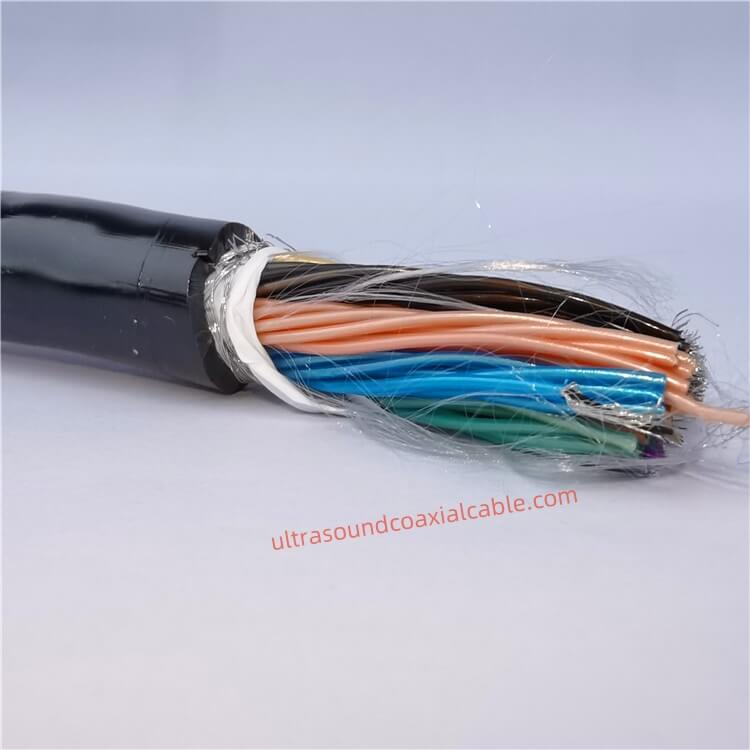
High-Performance Ultrasound Coaxial Cable Assembly: 42AWG to 30AWG, 6.6mm OD, 18GHz Bandwidth Engineered for precision in medical imaging and industrial applications, this customizable coaxial cable assembly delivers exceptional signal.
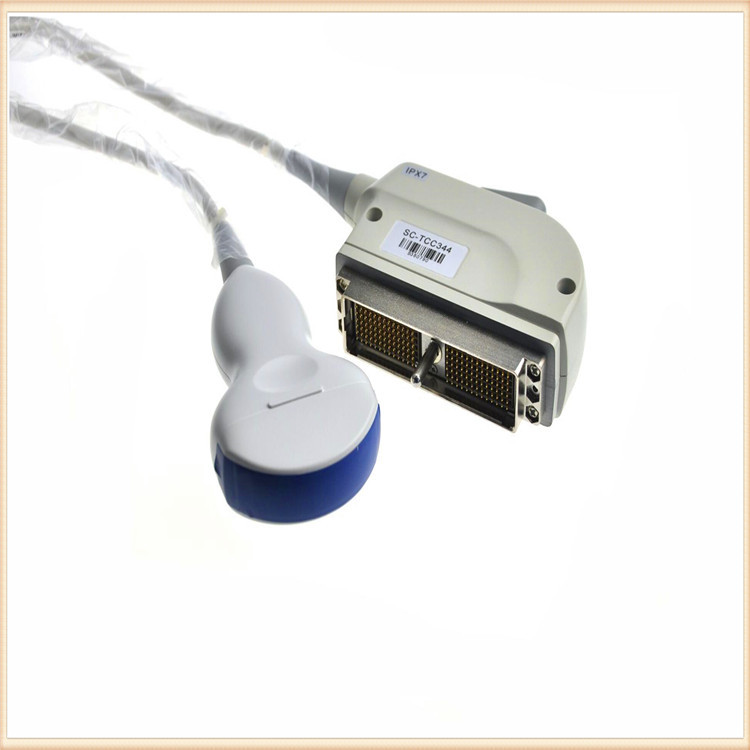
High-Performance Military Ultrasound Coaxial Cables: Built for Extreme Conditions Designed to meet the demanding requirements of military, aerospace, and medical applications, our Military-Grade Ultrasound Coaxial Cables deliver except.

Ultra-Flexible 42AWG Medical-Grade Coaxial Cables for High-Precision Ultrasound Imaging Designed for demanding medical imaging applications, our Ultra-Flexible 42AWG Coaxial Cables deliver exceptional signal integrity, noise reduction,.
Feel free to reach out to us for any inquiries or orders.