Can I use heat shrink tubing on ultrasound coaxial cables? | High-Quality Ultrasound Coaxial Cable | ultrasound coaxial cable Manufacturer & Factory-FRS

Can I use heat shrink tubing on ultrasound coaxial cables?

Enhancing Ultrasound Coaxial Cables with Heat Shrink Tubing: A Practical Guide​ Ultrasound coaxial cables are critical components in medical imaging,… - Professional Ultrasound Coaxial Cable Solutions

Information

Learn more about, latest news, frequently asked questions

Enhancing Ultrasound Coaxial Cables with Heat Shrink Tubing: A Practical Guide

Ultrasound coaxial cables are critical components in medical imaging, industrial testing, and research applications. Their ability to transmit high-frequency signals with minimal interference makes them indispensable. However, these cables often face challenges like mechanical stress, environmental wear, or connector damage. One common question technicians ask is: Can heat shrink tubing be used on ultrasound coaxial cables? The answer is yes—but with careful consideration of materials, application methods, and performance requirements.


Why Consider Heat Shrink Tubing for Ultrasound Cables?​

  1. Protection Against Physical Damage
    Ultrasound coaxial cables, such as the 68-channel medical-grade cables described in , are built with precision. However, repeated bending, abrasion, or accidental impacts can degrade insulation. Heat shrink tubing acts as a durable outer layer, shielding the cable from cuts, moisture, and UV exposure. For example, polyolefin-based tubing (as noted in ) offers flexibility and resistance to harsh environments, aligning with the medical and industrial demands of ultrasound systems.
  2. Strain Relief at Connectors
    Ultrasound cables often terminate in sensitive connectors (e.g., BNC or F-type). Heat shrink tubing can reinforce these joints, preventing stress on soldered points. This is crucial in medical imaging, where signal integrity is paramount. As highlighted in , proper strain relief extends cable lifespan by reducing breakage risks.
  3. Electrical Insulation and Noise Reduction
    Ultrasound signals are highly sensitive to interference. Heat shrink tubing with shielding properties (e.g., dual-layer spiral or braid shielding) can complement the cable’s existing design. The 68-channel cable in already features 90% spiral and braid shielding, but adding heat shrink with similar properties ensures further noise isolation.
  4. Customization for Specific Applications
    Heat shrink tubing is available in various materials (PVC, PTFE, polyolefin) and shrink ratios (2:1 to 4:1). For ultrasound cables requiring biocompatibility, medical-grade PTFE-lined tubing (as used in ) meets FDA standards. Meanwhile, industrial setups might prioritize flame-retardant polyolefin for fire safety.

How to Apply Heat Shrink Tubing Effectively

  1. Choose the Right Material and Size
    • Material: For medical ultrasound cables, opt for PTFE or polyolefin with biocompatibility certifications (e.g., FRS’ medical-grade cables in ).
    • Size: Ensure the tubing’s inner diameter (ID) is 20–30% larger than the cable’s outer diameter. A 2:1 shrink ratio is ideal for snug, stress-free coverage.
  2. Prep the Cable and Connectors
    • Clean the cable surface to remove grease or debris.
    • Slide the tubing over the cable before connecting terminations. For multi-conductor cables (like the 138-wire ultrasound probe in ), ensure even coverage around joints.
  3. Heat Application Tips
    • Use a heat gun (not a lighter!) to avoid uneven shrinkage. Maintain a 2–3 inch distance and move the heat source circularly.
    • Allow the tubing to cool fully before testing. Rushed cooling can cause warping or incomplete adhesion.
  4. Post-Application Checks
    • Inspect for air pockets or gaps, which compromise insulation.
    • Test electrical continuity and signal integrity using tools like multimeters or impedance analyzers.

When Not to Use Heat Shrink Tubing

While versatile, heat shrink tubing has limitations:

  • High-Frequency Interference: Thin-wall tubing (<0.1 mm) may not block high-frequency noise in precision ultrasound systems.
  • Extreme Temperatures: Ensure the tubing’s operating range matches the environment. For example, FRS’ 30V 80°C medical cables require tubing rated for similar heat.
  • Bulkiness: Overly thick tubing can hinder cable flexibility, critical for portable ultrasound devices.

FRS: Your Partner in Custom Ultrasound Solutions

FRS specializes in high-performance cables tailored to demanding applications. Their products, like the ​130-wire 42AWG coaxial ultrasound probe cable​ , combine ultra-soft construction with low capacitance (60 pF) for crisp imaging. When paired with FRS’ heat-shrink solutions, these cables gain added durability without sacrificing signal quality.

Why Trust FRS?​

  • Certifications: ISO 9001, RoHS, and UL compliance ensure reliability.
  • Customization: Choose from medical-grade PTFE, military-grade shielding, or color-coded tubing for easy identification.
  • Expert Support: FRS provides free samples and technical guidance for prototyping .

Final Thoughts

Heat shrink tubing is a smart addition to ultrasound coaxial cables, offering protection, insulation, and strain relief. However, success hinges on selecting the right materials and application techniques. For mission-critical applications—whether in hospitals or factories—partnering with experts like FRS guarantees cables that meet rigorous standards while adapting to your needs.

Pro Tip: Always test a small section first. If you’re unsure, consult FRS’ engineers for tailored recommendations—they’ve been perfecting interconnect solutions for 20+ years .


Need reliable cables or tubing for your next project? Explore FRS’ full range of ultrasound and industrial solutions today!

Hot Selling Products

Discover our most popular furniture pieces that are loved by customers worldwide.

Ultra-Flexible Coaxial Cable for Ultrasound Transducers – 44AWG, 0.15dB/m Attenuation at 1GHz

Ultra-Flexible Coaxial Cable for Ultrasound Transducers – 44AWG, 0.15dB/m Attenuation at 1GHz

High-Performance Flexible Coaxial Cable for Medical Imaging & Ultrasound Systems Designed for demanding applications in medical imaging, industrial diagnostics, and high-frequency signal transmission, this ultra-flexible coaxial ca.
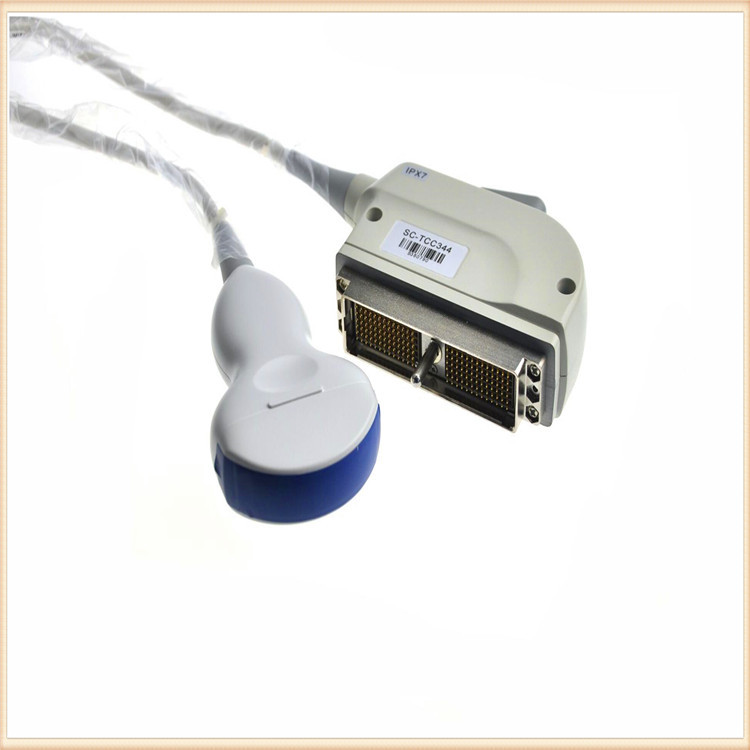
Military-Grade Ultrasound Coaxial Cable – High-Temperature Resistance, 100daN Compression Strength

Military-Grade Ultrasound Coaxial Cable – High-Temperature Resistance, 100daN Compression Strength

High-Performance Military Ultrasound Coaxial Cables: Built for Extreme Conditions Designed to meet the demanding requirements of military, aerospace, and medical applications, our Military-Grade Ultrasound Coaxial Cables deliver except.
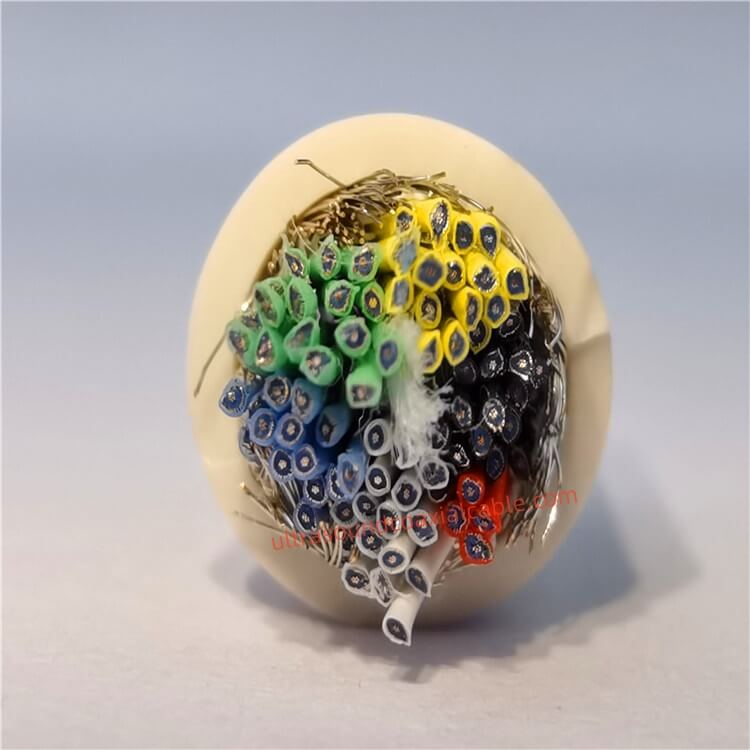
Ultrasound Coaxial Cable|High-Performance Signal Transmission for Precision Applications

Ultrasound Coaxial Cable|High-Performance Signal Transmission for Precision Applications

‌‌Product Overview‌The ‌Ultrasound Coaxial Cable‌ is a specialized cable engineered to deliver ultra-low signal loss, exceptional shielding, and unmatched durability in critical environments. Designed for medical imaging, industrial testi.
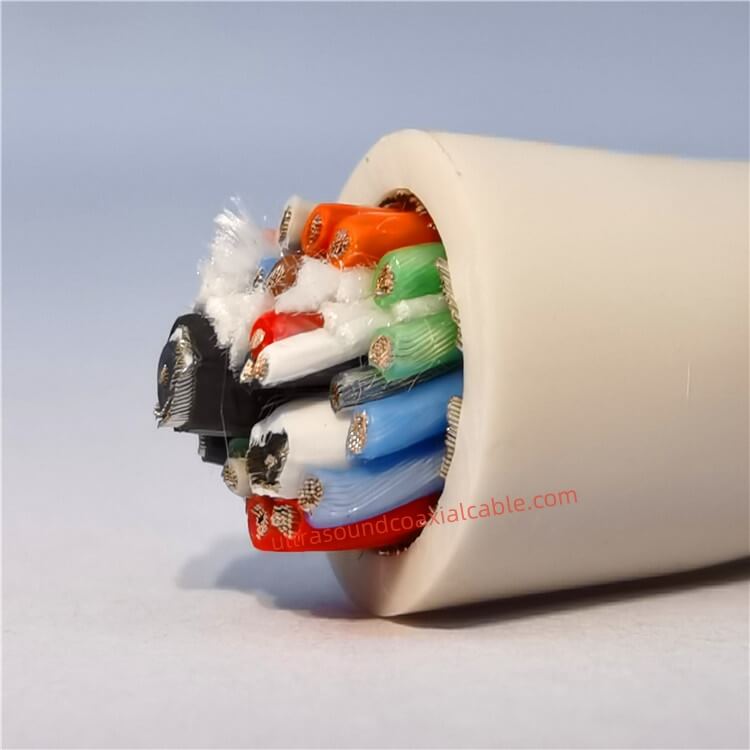
138-Core Medical Ultrasound Probe Coaxial Cable with 0.2mm Diameter – Biocompatible & FDA-Certified

138-Core Medical Ultrasound Probe Coaxial Cable with 0.2mm Diameter – Biocompatible & FDA-Certified

High-Precision 138-Core Medical Ultrasound Coaxial Cables | 0.2mm Ultra-Fine Biocompatible Design for Diagnostic Imaging Product Overview Engineered for advanced medical imaging systems, our 138-Core Medical Ultrasound Probe Coa.

Contact Us

Feel free to reach out to us for any inquiries or orders.

Call Us

Have a question? Give us a call!

                   +8618818785005(Whatsapp)

Email Us

Send us an email and we'll get back to you soon.

sales@custom-cable-assemblies.com
       
Home Products Contact