Understanding Ultrasound Coaxial Cables: Can They Withstand Extreme Bending? Ultrasound coaxial cables are the unsung heroes of medical imaging and… - Professional Ultrasound Coaxial Cable Solutions
Learn more about, latest news, frequently asked questions
Understanding Ultrasound Coaxial Cables: Can They Withstand Extreme Bending?
Ultrasound coaxial cables are the unsung heroes of medical imaging and industrial diagnostics. These cables transmit high-frequency sound waves between transducers and systems, enabling precise imaging for everything from prenatal scans to tumor detection. But one common question arises: Can these cables be bent beyond their minimum bend radius without causing damage? Let’s dive into the science, risks, and best practices to keep your ultrasound systems running smoothly.
Ultrasound coaxial cables are engineered with precision. Their cores consist of ultra-fine copper wires (often 38–46 AWG) insulated with materials like polyethylene or PTFE, surrounded by shielding layers to block interference . The minimum bend radius—typically 4–10 times the cable’s outer diameter—is a critical specification. Exceeding this limit stresses the cable’s internal structure, leading to:
For example, a cable with a 10mm outer diameter should never bend tighter than 40mm. Ignoring this risks permanent damage, costly repairs, or compromised patient safety.
Ultrasound signals travel at 1,540 m/s through tissue, and even minor conductor damage can delay or weaken reflections. Studies show that bending a coaxial cable beyond its limit reduces bandwidth by up to 30%, blurring imaging details .
Cables used in portable ultrasound devices often endure repetitive bending during transport. Over time, this creates microscopic cracks in the dielectric material, accelerating failure rates. Field tests reveal that cables bent 50% beyond their radius fail within 6–12 months under daily use .
In medical settings, damaged cables risk electrical leakage or short circuits, posing risks to both patients and technicians. Industrial applications face similar dangers, especially in explosive environments where faulty insulation could spark .
Always check the cable’s datasheet for bend radius specifications. High-end brands like FRS design cables with reinforced shielding and flexible dielectrics to tolerate tighter bends, but even these have limits.
For cables exposed to frequent movement (e.g., in ambulances or surgical units), silicone sleeves add a layer of protection against abrasion and unintended flexing.
When routing cables near machinery or through doorways, use rounded corners or cable guides. A 90° bend should be softened with a 10–15cm radius bend to distribute stress evenly.
Look for signs of wear: cracked insulation, frayed shielding, or intermittent signal drops. Proactive maintenance prevents minor issues from escalating.
Not all bending is harmful. Modern ultrasound coaxial cables, like those from FRS, use advanced materials to balance flexibility and durability:
For applications requiring extreme mobility—such as robotic surgery or wearable imaging systems—opt for cables rated for dynamic bending (e.g., 10,000+ cycles at 5x bend radius).
When it comes to ultrasound coaxial cables that defy limitations, FRS stands out. Their products are engineered for:
Whether you’re diagnosing heart conditions or inspecting pipeline welds, FRS cables deliver consistent performance—no matter how they’re bent.
Final Thoughts
Ultrasound coaxial cables are precision tools, and their durability hinges on proper handling. While occasional bending is unavoidable, exceeding the minimum bend radius risks signal loss, mechanical failure, and safety issues. Brands like FRS lead the market by combining flexibility with robust engineering, proving that innovation can thrive even under pressure. Invest in quality cables, follow best practices, and let technology handle the heavy lifting—your imaging clarity (and sanity) will thank you.
Discover our most popular furniture pieces that are loved by customers worldwide.
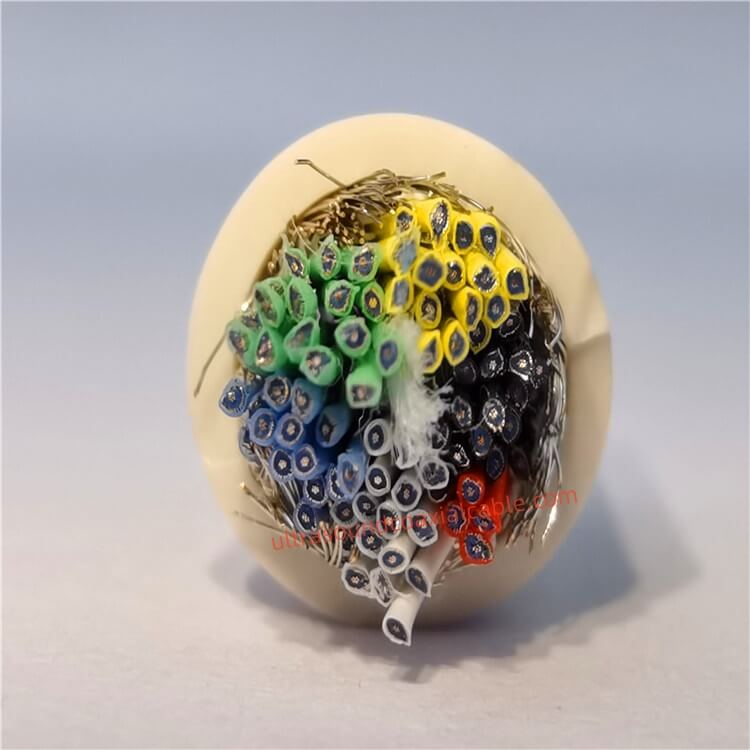
Product OverviewThe Ultrasound Coaxial Cable is a specialized cable engineered to deliver ultra-low signal loss, exceptional shielding, and unmatched durability in critical environments. Designed for medical imaging, industrial testi.

Ultra-Flexible 42AWG Medical-Grade Coaxial Cables for High-Precision Ultrasound Imaging Designed for demanding medical imaging applications, our Ultra-Flexible 42AWG Coaxial Cables deliver exceptional signal integrity, noise reduction,.

High-Performance Flexible Coaxial Cable for Medical Imaging & Ultrasound Systems Designed for demanding applications in medical imaging, industrial diagnostics, and high-frequency signal transmission, this ultra-flexible coaxial ca.
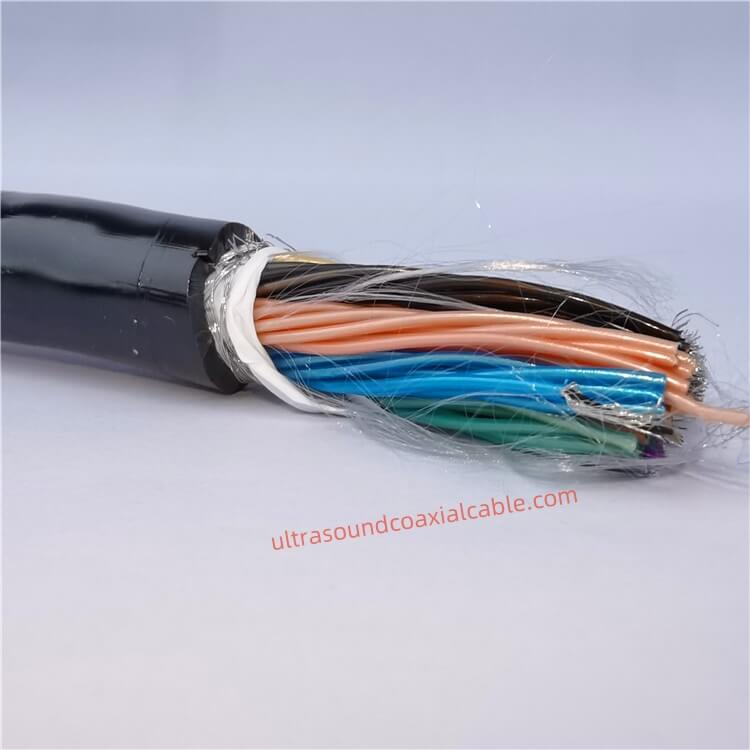
High-Performance Ultrasound Coaxial Cable Assembly: 42AWG to 30AWG, 6.6mm OD, 18GHz Bandwidth Engineered for precision in medical imaging and industrial applications, this customizable coaxial cable assembly delivers exceptional signal.
Feel free to reach out to us for any inquiries or orders.