Summary: The short answer is yes, but with critical caveats. Not all ultrasound coaxial cables are created equal. While standard… - Professional Ultrasound Coaxial Cable Solutions
Learn more about, latest news, frequently asked questions
Summary: The short answer is yes, but with critical caveats. Not all ultrasound coaxial cables are created equal. While standard commercial cables will fail under medical-grade sterilization, medical-grade ultrasound coaxial cables are specifically engineered to withstand repeated cycles of high-temperature steam (autoclaving), chemical immersion, and radiation sterilization. The key to compatibility lies in the material science—using fluoropolymers like PTFE/FEP and advanced shielding designs that resist degradation, moisture ingress, and signal loss. For medical device manufacturers and healthcare facilities, selecting a cable that is validated for specific sterilization methods (ISO 17665, ISO 11135) is non-negotiable for patient safety and equipment longevity.
In the high-stakes world of medical diagnostics, the ultrasound coaxial cable is the lifeline that transmits critical data from the transducer to the imaging system. However, this component is also a primary vector for cross-contamination if not properly sterilized. The question of compatibility is not just about whether the cable survives the process, but whether it maintains its electrical performance and mechanical integrity afterward.
Medical sterilization is not a one-size-fits-all process. The method used depends on the clinical application and the level of disinfection required. Ultrasound coaxial cable manufacturers must design products that are compatible with this spectrum:
The global market for medical-grade cables is projected to grow significantly, driven by the demand for portable and reusable medical devices. To meet this demand, leading manufacturers like FRS leverage advanced material science to ensure compatibility.
Standard PVC or polyethylene cables are unsuitable for medical sterilization. Medical-grade cables utilize high-performance materials:
Sterilization often involves immersion or high-pressure steam. A critical failure point is the cable-connector interface. FRS designs incorporate:
For a cable to be truly “compatible,” it must be validated against international standards. This is where partnering with a certified ultrasound coaxial cable manufacturer is essential.
Many healthcare facilities experience premature cable failure due to incompatible products. Here’s how a specialized manufacturer addresses these issues:
| Pain Point | Standard Cable Failure | FRS Medical-Grade Solution |
|---|---|---|
| Autoclave Damage | PVC jacket melts or becomes brittle; signal loss increases. | PTFE insulation and medical silicone jacket withstand 134°C steam; signal attenuation remains stable. |
| Chemical Degradation | Jacket swells or cracks after immersion in disinfectants. | Chemically inert materials resist H2O2, alcohol, and quaternary ammonium compounds. |
| Connector Corrosion | Fluid seeps into connectors, causing short circuits. | IP67-rated overmolded connectors prevent moisture ingress, extending product life. |
| Flex Life | Conductors break after repeated bending during cleaning. | High-strand-count, fine-wire conductors and optimized lay lengths provide superior flex endurance. |
The question “Are ultrasound coaxial cables compatible with sterilization processes?” should be reframed as “Is my ultrasound coaxial cable manufacturer providing validated, medical-grade solutions?” The difference between a standard cable and a medically qualified cable is the difference between diagnostic confidence and equipment failure.
When sourcing components for life-critical devices, insist on partners like FRS who invest in the R&D, material science, and rigorous testing required to ensure that every cable not only transmits a signal but also upholds the highest standards of patient safety.
Discover our most popular furniture pieces that are loved by customers worldwide.

Ultra-Flexible 42AWG Medical-Grade Coaxial Cables for High-Precision Ultrasound Imaging Designed for demanding medical imaging applications, our Ultra-Flexible 42AWG Coaxial Cables deliver exceptional signal integrity, noise reduction,.

High-Performance Flexible Coaxial Cable for Medical Imaging & Ultrasound Systems Designed for demanding applications in medical imaging, industrial diagnostics, and high-frequency signal transmission, this ultra-flexible coaxial ca.
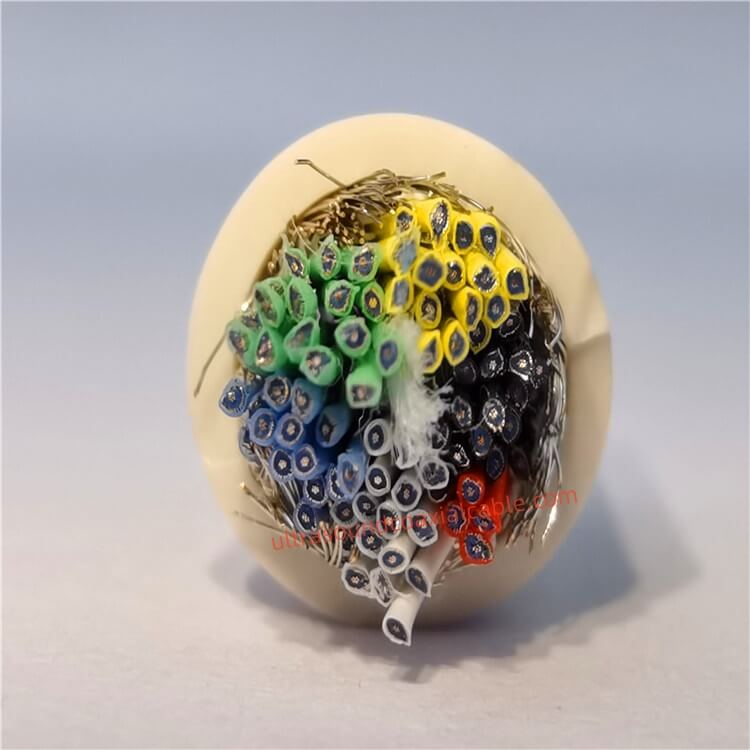
Product OverviewThe Ultrasound Coaxial Cable is a specialized cable engineered to deliver ultra-low signal loss, exceptional shielding, and unmatched durability in critical environments. Designed for medical imaging, industrial testi.
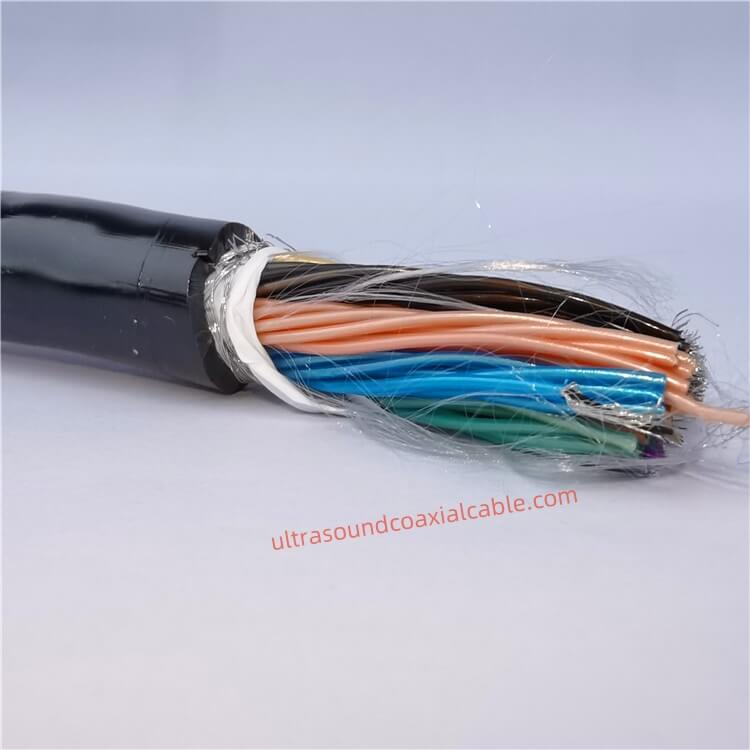
High-Performance Ultrasound Coaxial Cable Assembly: 42AWG to 30AWG, 6.6mm OD, 18GHz Bandwidth Engineered for precision in medical imaging and industrial applications, this customizable coaxial cable assembly delivers exceptional signal.
Feel free to reach out to us for any inquiries or orders.