Where are ultrasound coaxial cables commonly used? | High-Quality Ultrasound Coaxial Cable | ultrasound coaxial cable Manufacturer & Factory-FRS

Where are ultrasound coaxial cables commonly used?

Ultrasound Coaxial Cables: Essential Applications in Modern Technology Ultrasound coaxial cables are specialized transmission lines designed to deliver high-frequency signals… - Professional Ultrasound Coaxial Cable Solutions

Information

Learn more about, latest news, frequently asked questions

Ultrasound Coaxial Cables: Essential Applications in Modern Technology

Ultrasound coaxial cables are specialized transmission lines designed to deliver high-frequency signals with precision and reliability. These cables combine the benefits of coaxial shielding—such as noise resistance and signal integrity—with adaptability for demanding environments. From medical imaging to industrial diagnostics, their versatility makes them indispensable across industries. Below, we explore the key applications where ultrasound coaxial cables play a transformative role.


1. Medical Imaging and Diagnostic Systems

Ultrasound coaxial cables are critical in medical devices that rely on real-time imaging and data transmission.

  • Ultrasound Probes and Scanners:
    High-frequency ultrasound coaxial cables (e.g., 50–200 MHz) connect transducers to imaging systems, ensuring minimal signal loss during procedures like abdominal scans or cardiac exams. Their impedance-matched designs (typically 50Ω or 75Ω) reduce reflections, enabling crisp, artifact-free images .
  • Endoscopic and Minimally Invasive Tools:
    Flexible, miniature coaxial cables are integrated into endoscopes and catheters for guided interventions. For example, in robotic surgery, these cables transmit ultrasound signals to navigate delicate tissues while maintaining sterility and durability .
  • Biomedical Research:
    Laboratories use ultrasound coaxial cables to connect sensors and analyzers for studying tissue properties or drug delivery systems. Their biocompatibility (tested to ISO 10993 standards) ensures safety in cell-culture applications .

2. Industrial Inspection and Quality Control

Ultrasound coaxial cables enable non-destructive testing (NDT) in manufacturing and engineering.

  • Ultrasonic Thickness Gauges:
    Cables link portable gauges to probes that measure material thickness in pipelines or aircraft components. Shielded designs block electromagnetic interference (EMI) from machinery, ensuring accuracy in harsh environments .
  • Crack Detection and Weld Inspection:
    In aerospace and automotive sectors, coaxial cables transmit high-frequency signals to phased array probes. These systems identify micro-cracks in turbine blades or weld seams using thermosonic techniques, where vibrations generate heat at defect sites .
  • Fluid Level Sensors:
    Industrial tanks use ultrasound coaxial cables to connect sensors that monitor liquid levels. The cables’ waterproofing and temperature resistance (up to 180°C) make them ideal for chemical plants or oil refineries .

3. Telecommunications and Signal Processing

Though often overshadowed by fiber optics, ultrasound coaxial cables excel in niche telecom applications.

  • RF and Microwave Systems:
    Coaxial cables with impedance-matched connectors (e.g., SMA, BNC) transmit RF signals in satellite communication and radar systems. Their low attenuation (as low as 0.15 dB/m at 1 GHz) ensures stable data flow over long distances .
  • Acoustic Sensors and Sonar:
    Underwater applications use specialized ultrasound cables to connect hydrophones. These cables resist corrosion from saltwater and maintain signal coherence in deep-sea environments .

4. Consumer Electronics and IoT

The rise of smart devices has expanded demand for compact, high-performance cables.

  • Wearable Health Monitors:
    Smartwatches and fitness trackers integrate thin, flexible coaxial cables to link heart-rate sensors to processors. Their miniature size (as small as 0.2 mm diameter) and durability ensure comfort and longevity .
  • Home Automation Systems:
    Ultrasound coaxial cables connect motion sensors and smart speakers. Their shielding prevents interference from Wi-Fi routers, maintaining seamless voice command responsiveness .

5. Research and Development

Innovative fields leverage ultrasound coaxial cables for cutting-edge experiments.

  • Acoustic Metamaterials:
    Researchers use these cables to study wave propagation in novel materials. Precision impedance control allows accurate signal reflection analysis for designing soundproofing structures .
  • Laser-Ultrasound Systems:
    Combining lasers with coaxial cables enables non-contact surface inspections. For instance, automotive manufacturers use this setup to detect paint defects without physical contact .

Key Features Driving Adoption

  • Material Advancements: High-purity copper conductors and PTFE insulation reduce signal loss.
  • Shielding Options: Quad-shield designs block EMI in industrial settings.
  • Environmental Resistance: Silicone jackets withstand extreme temperatures (-55°C to +180°C).
  • Customization: Custom lengths, connectors, and impedance ratings cater to niche needs.

Conclusion

Ultrasound coaxial cables are the unsung heroes of modern technology, enabling breakthroughs in healthcare, industry, and consumer tech. Whether guiding a surgeon’s scalpel or ensuring crystal-clear satellite signals, their reliability and adaptability make them a cornerstone of advanced systems. As industries push for higher precision and miniaturization, these cables will continue to evolve, shaping the future of signal transmission.

For businesses seeking durable, high-performance solutions, investing in ultrasound coaxial cables is a strategic step toward meeting today’s technical demands while future-proofing operations.

Hot Selling Products

Discover our most popular furniture pieces that are loved by customers worldwide.
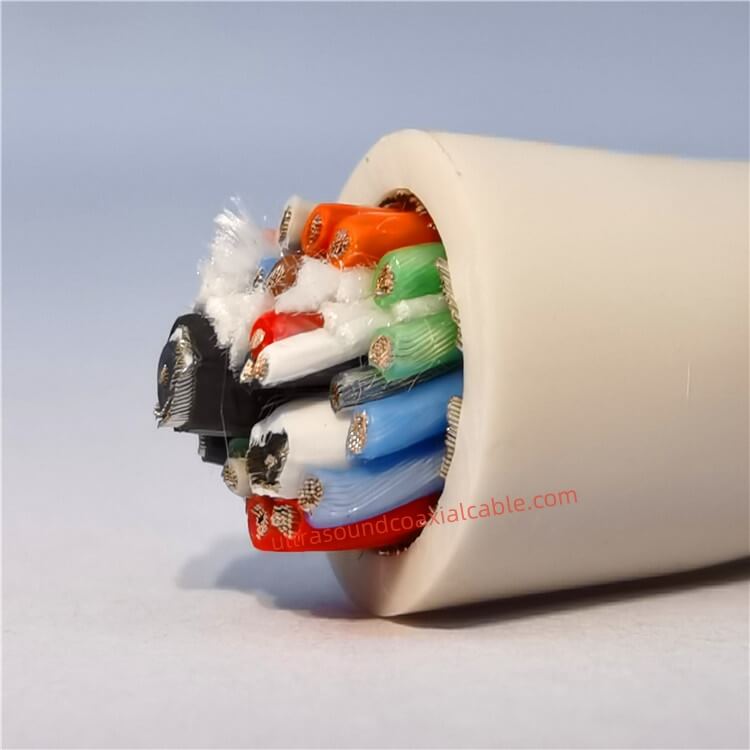
138-Core Medical Ultrasound Probe Coaxial Cable with 0.2mm Diameter – Biocompatible & FDA-Certified

138-Core Medical Ultrasound Probe Coaxial Cable with 0.2mm Diameter – Biocompatible & FDA-Certified

High-Precision 138-Core Medical Ultrasound Coaxial Cables | 0.2mm Ultra-Fine Biocompatible Design for Diagnostic Imaging Product Overview Engineered for advanced medical imaging systems, our 138-Core Medical Ultrasound Probe Coa.

High-Precision Ultrasound Coaxial Cable for Medical Imaging – Low Noise, Flexible Design, 42AWG

High-Precision Ultrasound Coaxial Cable for Medical Imaging – Low Noise, Flexible Design, 42AWG

Ultra-Flexible 42AWG Medical-Grade Coaxial Cables for High-Precision Ultrasound Imaging Designed for demanding medical imaging applications, our Ultra-Flexible 42AWG Coaxial Cables deliver exceptional signal integrity, noise reduction,.
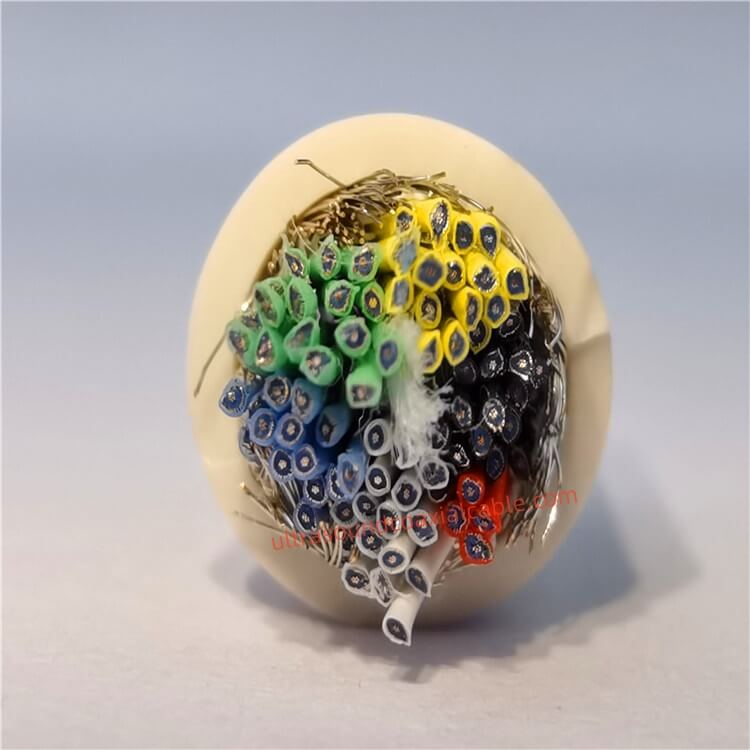
Ultrasound Coaxial Cable|High-Performance Signal Transmission for Precision Applications

Ultrasound Coaxial Cable|High-Performance Signal Transmission for Precision Applications

‌‌Product Overview‌The ‌Ultrasound Coaxial Cable‌ is a specialized cable engineered to deliver ultra-low signal loss, exceptional shielding, and unmatched durability in critical environments. Designed for medical imaging, industrial testi.
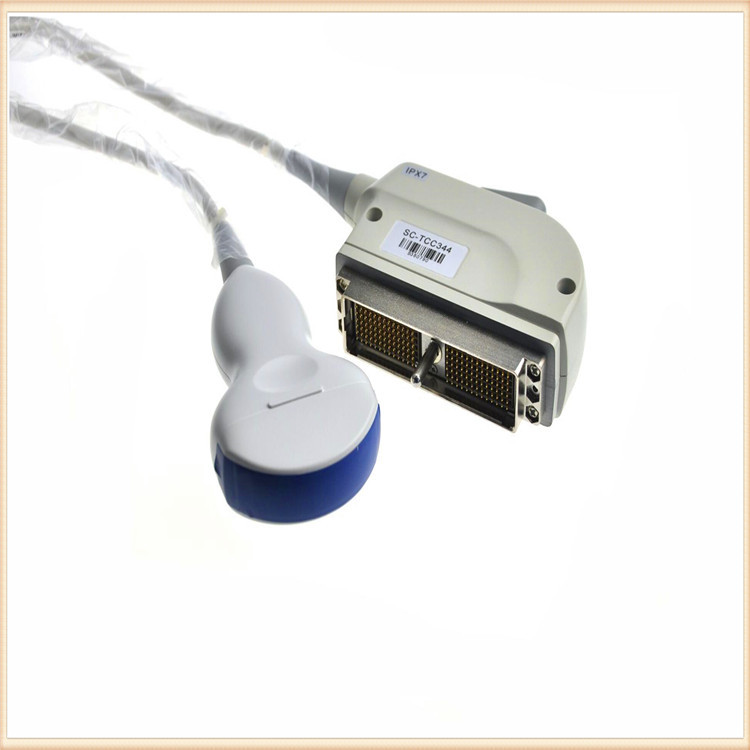
Military-Grade Ultrasound Coaxial Cable – High-Temperature Resistance, 100daN Compression Strength

Military-Grade Ultrasound Coaxial Cable – High-Temperature Resistance, 100daN Compression Strength

High-Performance Military Ultrasound Coaxial Cables: Built for Extreme Conditions Designed to meet the demanding requirements of military, aerospace, and medical applications, our Military-Grade Ultrasound Coaxial Cables deliver except.

Contact Us

Feel free to reach out to us for any inquiries or orders.

Call Us

Have a question? Give us a call!

                   +8618818785005(Whatsapp)

Email Us

Send us an email and we'll get back to you soon.

sales@custom-cable-assemblies.com
       
Home Products Contact