Essential Tools for Installing Ultrasound Coaxial Cables: A Comprehensive Guide Ultrasound coaxial cables are critical components in medical imaging, industrial… - Professional Ultrasound Coaxial Cable Solutions
Learn more about, latest news, frequently asked questions
Essential Tools for Installing Ultrasound Coaxial Cables: A Comprehensive Guide
Ultrasound coaxial cables are critical components in medical imaging, industrial testing, and high-frequency communication systems. Proper installation ensures signal integrity, minimizes interference, and extends the lifespan of your equipment. Whether you’re a technician, engineer, or DIY enthusiast, having the right tools at hand is key to achieving reliable connections. In this guide, we’ll break down the essential tools required for installing ultrasound coaxial cables, explain their uses, and share practical tips to streamline the process.
Why They Matter: Ultrasound coaxial cables often use materials like RG-6 or RG-11, which require precise stripping to avoid damaging the inner conductor or shielding. A high-quality coaxial cable stripper ensures clean cuts without fraying the braid or exposing the dielectric layer.
FRS Tip: FRS’ ProCutter 3000 is engineered for precision, featuring a carbide blade that minimizes heat buildup—a critical factor when working with high-frequency cables.
Why They Matter: Ultrasound systems demand secure, low-resistance connections. Crimping tools ensure connectors adhere tightly to the cable, preventing signal leakage.
Pro Tip: Always match the connector’s impedance (typically 50Ω or 75Ω) to the cable. Mismatched impedance can cause signal reflections, degrading ultrasound image quality.
Why They Matter: Ultrasound coaxial cables are prone to electromagnetic interference (EMI), which can distort signals. Proper shielding and grounding are non-negotiable.
FRS Advantage: FRS’ EMI Guard Shielding Kit includes ultra-thin, adhesive-backed copper tape for seamless integration in tight spaces.
Why They Matter: Over-tightening connectors or bending cables excessively can damage the center conductor or insulation.
Application Note: For ultrasound cables in MRI suites or high-vibration environments, FRS recommends using FlexTensioners—flexible, non-magnetic tensioners that accommodate cable movement without stress.
Why They Matter: Post-installation testing verifies signal integrity and identifies issues like impedance mismatches or poor connections.
FRS Solution: The FRS SignalMaster 2000 combines TDR and VNA functionalities, offering real-time diagnostics tailored for medical imaging cables.
Why They Matter: Ultrasound cables often operate in humid, dusty, or corrosive environments. Protective measures prevent corrosion and physical damage.
FRS Innovation: FRS’ HydroSeal Coating is a nano-thin waterproof layer applied to connectors, ideal for underwater ultrasound probes.
FRS has engineered a suite of tools specifically for high-frequency coaxial applications like ultrasound. From precision strippers to waterproof connectors, our products are tested rigorously to meet the demands of medical imaging, industrial testing, and aerospace. Whether you’re a technician in a hospital or an engineer in R&D, FRS tools ensure your installations are reliable, efficient, and future-proof.
Explore FRS’ Ultrasound Cable Solutions Today!
Ready to elevate your coaxial installations? Visit FRS’ official store to browse our ultrasound-specific toolkit. For bulk orders or custom solutions, contact our team at support@frs-tools.com.
Final Thoughts
Installing ultrasound coaxial cables requires a balance of precision and expertise. By investing in the right tools—like those from FRS—you’ll minimize setup time, reduce signal interference, and achieve professional-grade results. Whether you’re setting up a medical imaging system or upgrading industrial equipment, the right tools make all the difference.
For more insights on coaxial cable maintenance and troubleshooting, stay tuned to FRS’ blog!
Discover our most popular furniture pieces that are loved by customers worldwide.
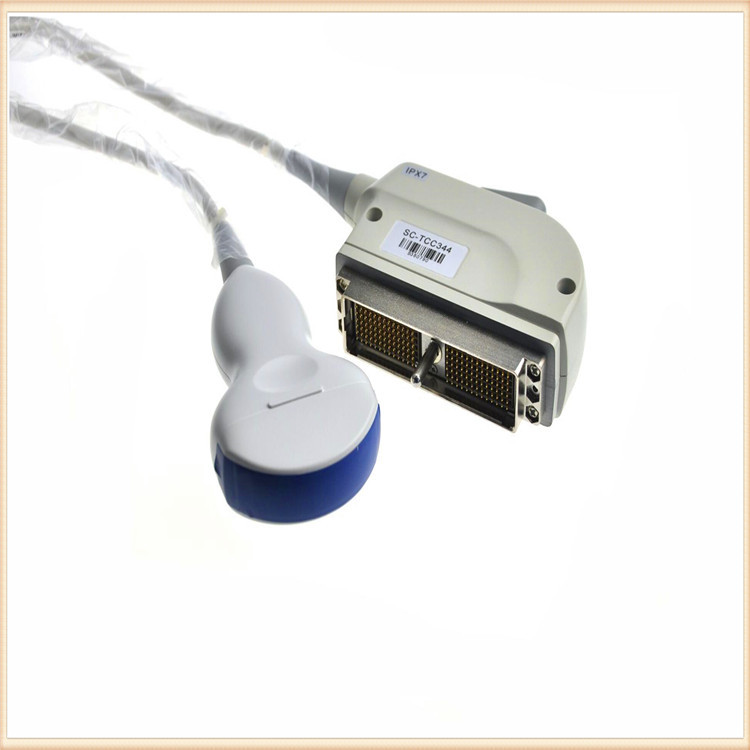
High-Performance Military Ultrasound Coaxial Cables: Built for Extreme Conditions Designed to meet the demanding requirements of military, aerospace, and medical applications, our Military-Grade Ultrasound Coaxial Cables deliver except.
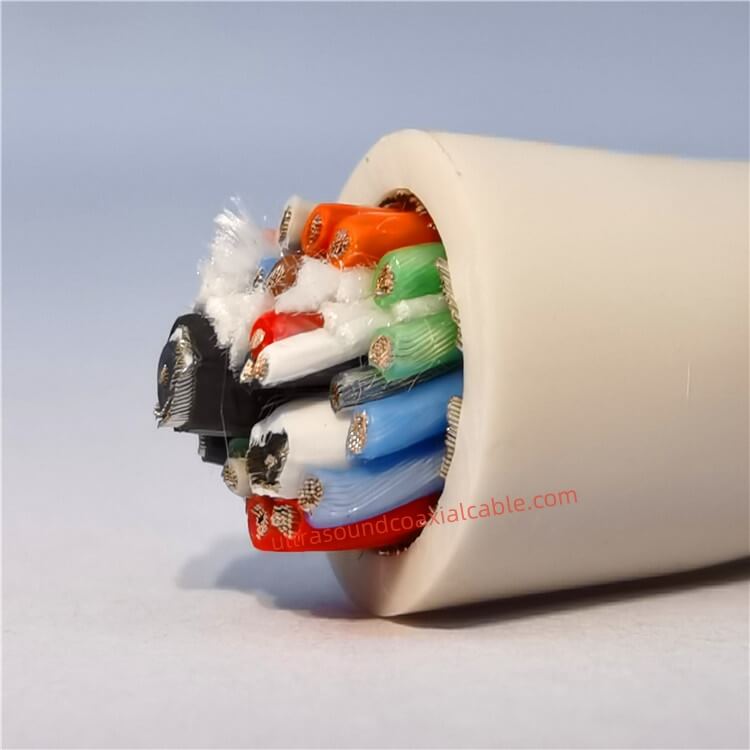
High-Precision 138-Core Medical Ultrasound Coaxial Cables | 0.2mm Ultra-Fine Biocompatible Design for Diagnostic Imaging Product Overview Engineered for advanced medical imaging systems, our 138-Core Medical Ultrasound Probe Coa.
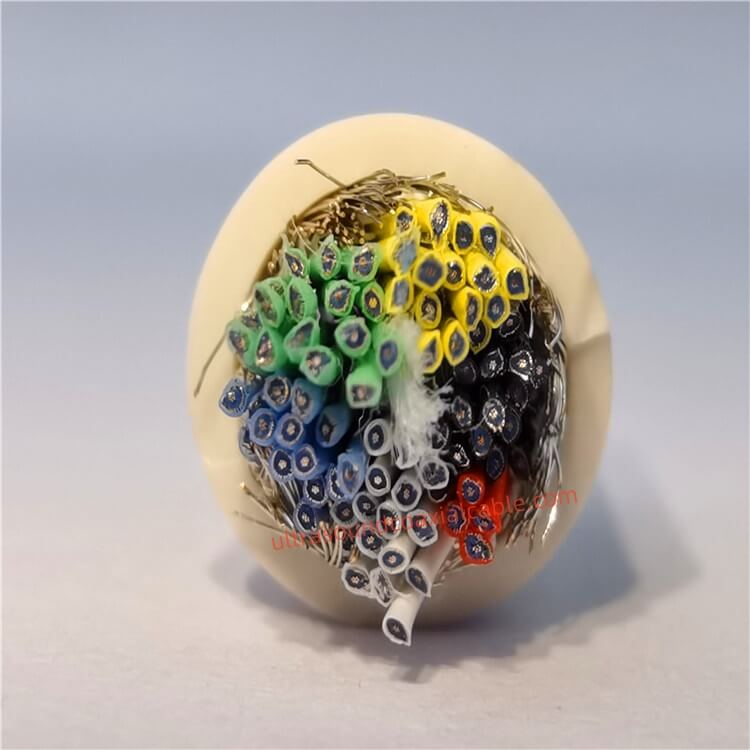
Product OverviewThe Ultrasound Coaxial Cable is a specialized cable engineered to deliver ultra-low signal loss, exceptional shielding, and unmatched durability in critical environments. Designed for medical imaging, industrial testi.

Ultra-Flexible 42AWG Medical-Grade Coaxial Cables for High-Precision Ultrasound Imaging Designed for demanding medical imaging applications, our Ultra-Flexible 42AWG Coaxial Cables deliver exceptional signal integrity, noise reduction,.
Feel free to reach out to us for any inquiries or orders.