Industrial ultrasound systems are indispensable tools in sectors ranging from medical diagnostics to non-destructive testing (NDT). At the heart of… - Professional Ultrasound Coaxial Cable Solutions
Learn more about, latest news, frequently asked questions
Industrial ultrasound systems are indispensable tools in sectors ranging from medical diagnostics to non-destructive testing (NDT). At the heart of these systems are ultrasound coaxial cables, responsible for carrying delicate high-frequency signals between transducers and processing units. However, signal loss can severely compromise the accuracy and reliability of these critical measurements. Understanding how to prevent this loss is essential for maintaining system integrity and ensuring precise results.
Signal loss, or attenuation, refers to the reduction in signal strength as it travels through a coaxial cable. In industrial ultrasound applications, where signals often operate at frequencies up to 20 MHz or higher, even minor losses can lead to significant data degradation. This loss manifests as reduced image clarity in medical imaging or decreased flaw detection sensitivity in industrial testing.
The primary causes of signal loss include cable length, frequency of operation, conductor resistance, dielectric losses, and external interference. As cable length increases, so does attenuation—signals can degrade noticeably over runs exceeding 20 meters . Higher frequencies are particularly susceptible, with loss rates escalating as signal frequencies rise. Furthermore, environmental factors like temperature extremes, moisture, and electromagnetic interference (EMI) can exacerbate these issues, leading to inaccurate readings or complete signal failure .
The architecture of a coaxial cable is fundamental to its performance. A well-designed cable features a central conductor (often silver-plated copper for optimal conductivity), a dielectric insulator to maintain impedance matching, and a shielding layer to block external interference. The shielding is particularly critical—options range from basic foil or braid shields to advanced dual or quad shielding configurations that combine multiple layers for maximum protection . For ultrasound applications, especially in electrically noisy industrial environments, high-grade shielding is indispensable for preventing EMI and radio frequency interference (RFI) from corrupting sensitive signals .
Impedance mismatches are a common but often overlooked source of signal loss. Most industrial ultrasound systems operate with a 50-ohm impedance. Using cables with mismatched impedance (such as the 75-ohm cables common in video applications) can cause signal reflections, leading to echoes and reduced resolution in ultrasound readings. Ensuring impedance compatibility across cables, connectors, and equipment is a simple yet vital step in preserving signal integrity .
The materials used in cable construction directly influence performance. Pure copper or silver-plated copper conductors offer lower resistance compared to aluminum or copper-clad alternatives, reducing conductive losses. Similarly, high-quality dielectric materials like foamed polyethylene or PTFE minimize dielectric losses, which become increasingly significant at higher frequencies. Investing in cables with superior materials may entail a higher upfront cost but pays dividends in long-term reliability and performance .
Brands like FRS offer specialized medical-grade coaxial cables that undergo rigorous testing for parameters like capacitance stability and dielectric strength, ensuring consistent performance in critical applications .
Installation practices can make or break cable performance. Avoid sharp bends or kinks, which can alter the cable’s impedance and create signal reflection points. Use gentle, sweeping curves whenever possible. When routing cables, keep them away from sources of EMI such as power lines, motors, or welding equipment. Secure cables with appropriate ties or supports to prevent physical stress or repetitive flexing that could damage internal components .
Improper grounding can introduce noise and compromise signal quality. Always ground the cable shield to a reliable earth ground using a grounding block to dissipate stray currents and reduce interference . Additionally, use high-quality connectors (such as BNC or LEMO) and ensure they are properly terminated. Poorly fitted connectors can create impedance mismatches and become entry points for environmental contaminants like moisture, leading to signal degradation .
Preventive maintenance is key to long-term performance. Periodically inspect cables for signs of wear, such as cracks in the outer jacket, corrosion on connectors, or physical crushing. Use a time-domain reflectometer (TDR) or spectrum analyzer to measure signal integrity and identify potential issues before they lead to system failure . For facilities with extensive cable runs, documenting performance baselines during installation simplifies future troubleshooting.
FRS specializes in manufacturing high-performance coaxial cables tailored for industrial ultrasound systems. Our cables feature dual or quad shielding for maximum EMI protection, precision-engineered impedance matching to minimize reflections, and robust outer jackets resistant to oils, chemicals, and abrasion. With certifications including ISO 9001 and RoHS compliance, FRS cables are trusted in medical, industrial, and aerospace applications where signal integrity is non-negotiable .
In ultrasonic non-destructive testing (NDT), technicians use long coaxial cables (up to 60 meters or more) to connect flaw detectors to transducers. As demonstrated in studies, increasing cable length from 1 meter to 60 meters can introduce significant cable reflections and attenuation, distorting waveform patterns and leading to measurement errors . By employing low-loss cables with high-quality shielding—and incorporating preamplifiers for very long runs—operators can maintain signal clarity and ensure accurate defect detection in critical infrastructure like pipelines or aircraft components.
Preventing signal loss in industrial ultrasound coaxial cables requires a holistic approach, from selecting the right cable design and materials to adhering to best practices in installation and maintenance. By understanding the factors that contribute to attenuation and implementing the strategies outlined above, engineers and technicians can ensure their ultrasound systems deliver the precision and reliability demanded by today’s high-stakes industrial applications.
Discover our most popular furniture pieces that are loved by customers worldwide.

Ultra-Flexible 42AWG Medical-Grade Coaxial Cables for High-Precision Ultrasound Imaging Designed for demanding medical imaging applications, our Ultra-Flexible 42AWG Coaxial Cables deliver exceptional signal integrity, noise reduction,.

High-Performance Flexible Coaxial Cable for Medical Imaging & Ultrasound Systems Designed for demanding applications in medical imaging, industrial diagnostics, and high-frequency signal transmission, this ultra-flexible coaxial ca.
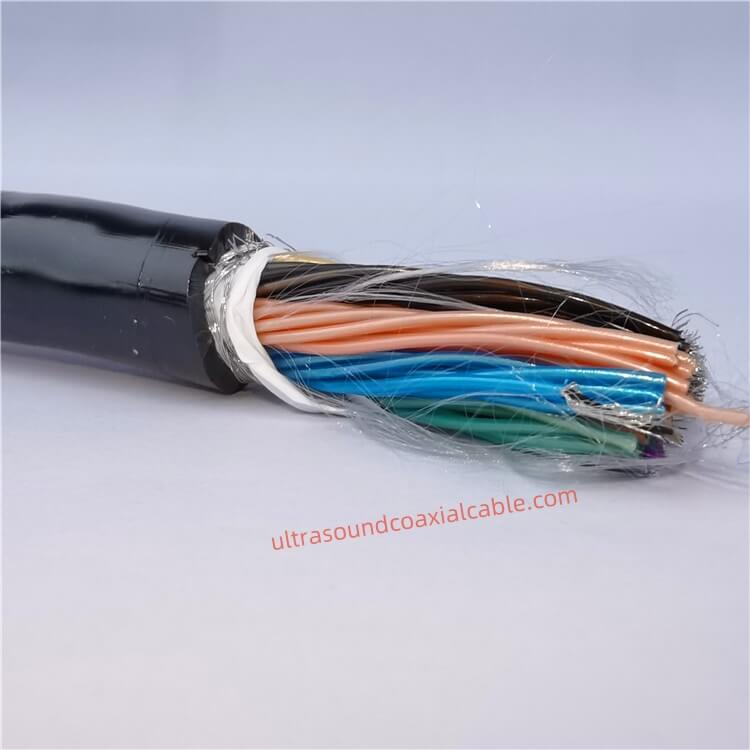
High-Performance Ultrasound Coaxial Cable Assembly: 42AWG to 30AWG, 6.6mm OD, 18GHz Bandwidth Engineered for precision in medical imaging and industrial applications, this customizable coaxial cable assembly delivers exceptional signal.
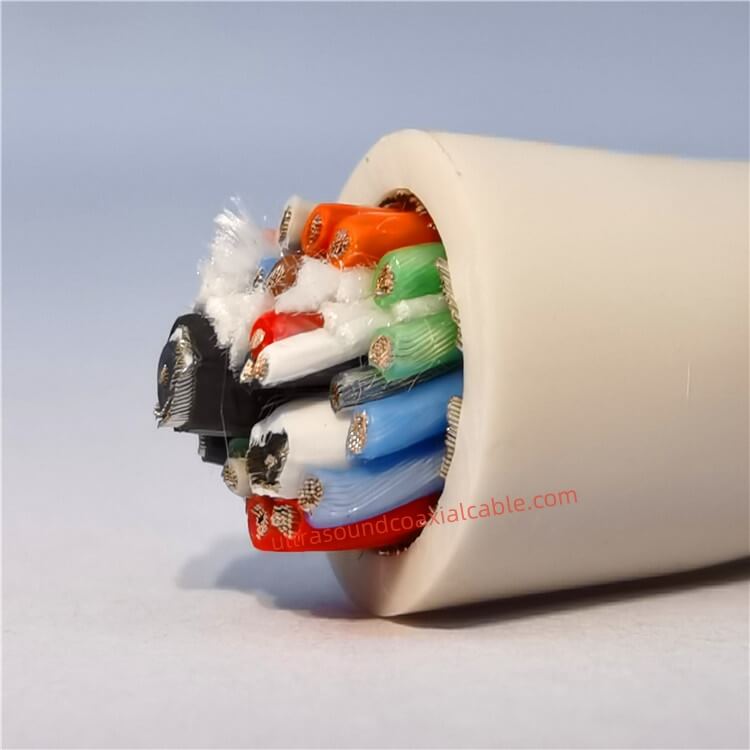
High-Precision 138-Core Medical Ultrasound Coaxial Cables | 0.2mm Ultra-Fine Biocompatible Design for Diagnostic Imaging Product Overview Engineered for advanced medical imaging systems, our 138-Core Medical Ultrasound Probe Coa.
Feel free to reach out to us for any inquiries or orders.