How Ultrasound Coaxial Cables Revolutionize Food Processing Efficiency In the fast-evolving food industry, innovation is key to meeting safety standards,… - Professional Ultrasound Coaxial Cable Solutions
Learn more about, latest news, frequently asked questions
How Ultrasound Coaxial Cables Revolutionize Food Processing Efficiency
In the fast-evolving food industry, innovation is key to meeting safety standards, enhancing product quality, and optimizing production efficiency. One technology making waves in this space is ultrasound, particularly when paired with advanced ultrasound coaxial cables. These cables are not just tools—they’re game-changers, enabling precise control over critical processes like sterilization, extraction, and emulsification. Let’s dive into how they’re transforming food processing equipment and why they’re becoming a must-have for modern facilities.
Ultrasound operates at frequencies above human hearing (typically 20 kHz to 10 MHz), generating mechanical vibrations that create microscopic bubbles in liquids. These bubbles collapse violently in a process called cavitation, releasing energy that disrupts cell structures, accelerates chemical reactions, and enhances physical transformations . For food applications, this means:
Ultrasound coaxial cables act as the backbone of this technology, delivering high-frequency energy efficiently to processing equipment. Their design minimizes energy loss and ensures stable performance, even in harsh environments.
Contamination risks in food production demand robust sterilization methods. Traditional thermal treatments can degrade nutrients and alter taste, but ultrasound offers a non-thermal alternative. Coaxial cables enable precise control over ultrasonic waves, targeting pathogens like E. coli or Salmonella on surfaces or within liquids. Studies show ultrasound can reduce microbial counts by up to 5 log units in minutes, making it ideal for dairy, juices, and ready-to-eat meals .
Extracting flavors, oils, or antioxidants from plants (e.g., herbs, spices, or fruits) is a cornerstone of food manufacturing. Ultrasound coaxial cables amplify this process by:
Tenderizing tough cuts of meat or preserving seafood freshness are critical tasks. Ultrasound coaxial cables enable:
Creating stable emulsions (e.g., sauces, dressings) requires uniform particle distribution. Ultrasound coaxial cables produce fine droplets (down to 1 μm), enhancing stability and shelf life. This is especially valuable for plant-based milks or oil-in-water formulations, where consistency is key .
Ultrasound’s energy efficiency aligns with circular economy goals. By optimizing processes like drying or freezing, coaxial cables reduce energy consumption by up to 40%. For instance, ultrasound-assisted freezing speeds up ice crystal formation, preserving cellular structure in frozen fruits and reducing drip loss during thawing .
Food processing environments are harsh—exposing equipment to moisture, chemicals, and temperature fluctuations. High-quality coaxial cables are built with food-grade materials (e.g., stainless steel, polyurethane coatings) to resist corrosion and contamination. Their shielding properties also prevent electromagnetic interference, ensuring reliable performance in electrically noisy settings.
Different food products require tailored ultrasound parameters. Coaxial cables allow adjustable frequencies (e.g., 20 kHz for extraction vs. 1 MHz for microbial inactivation) and power levels, making them versatile for diverse applications—from small-scale labs to industrial production lines.
Modern food plants rely on smart systems. Ultrasound coaxial cables can interface with IoT-enabled controllers, allowing real-time monitoring and adjustments. This integration improves process consistency and reduces human error.
A citrus juice producer replaced traditional centrifuges with ultrasound coaxial cables. The result? A 70% reduction in energy use and a clearer product with no pulp residue, achieved by targeting and breaking down suspended particles.
A poultry plant integrated ultrasound into their marinating line. The coaxial cables delivered focused energy to disrupt muscle fibers, cutting tenderization time from 24 hours to just 2 hours while improving texture scores by 30%.
A supplements company used ultrasound coaxial cables to extract ginsenosides from roots. Yields increased by 45%, and the process eliminated the need for solvents, cutting production costs by 25%.
As sustainability and efficiency become top priorities, ultrasound coaxial cables are poised to play a larger role:
Ultrasound coaxial cables are no longer niche tools—they’re essential for modern food processing. By enhancing safety, sustainability, and efficiency, they address the industry’s biggest challenges. Whether you’re a startup innovating with plant-based foods or a multinational scaling production, these cables offer a flexible, cost-effective solution.
Ready to upgrade your equipment? Explore ultrasound coaxial cables today and unlock new levels of precision in food production.
Discover our most popular furniture pieces that are loved by customers worldwide.
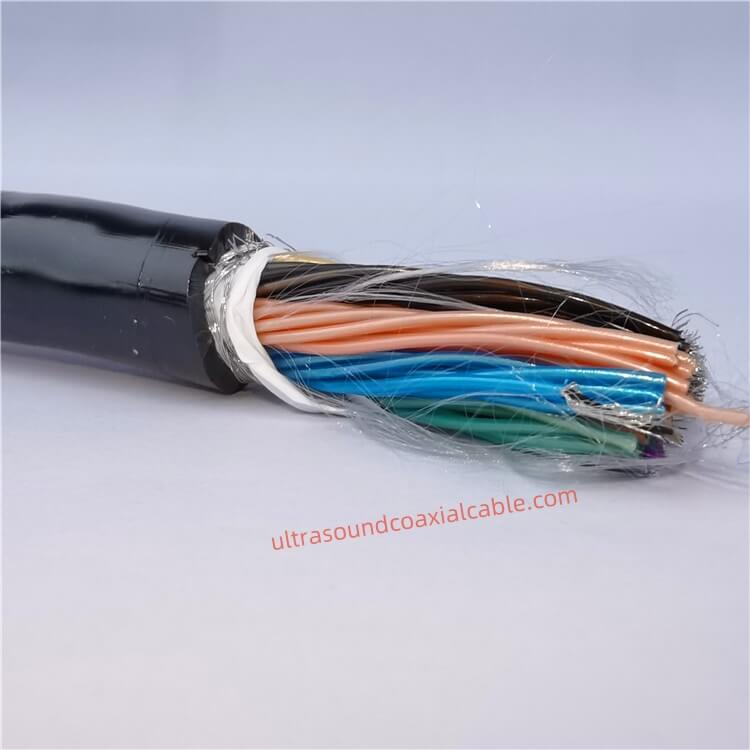
High-Performance Ultrasound Coaxial Cable Assembly: 42AWG to 30AWG, 6.6mm OD, 18GHz Bandwidth Engineered for precision in medical imaging and industrial applications, this customizable coaxial cable assembly delivers exceptional signal.

High-Performance Flexible Coaxial Cable for Medical Imaging & Ultrasound Systems Designed for demanding applications in medical imaging, industrial diagnostics, and high-frequency signal transmission, this ultra-flexible coaxial ca.
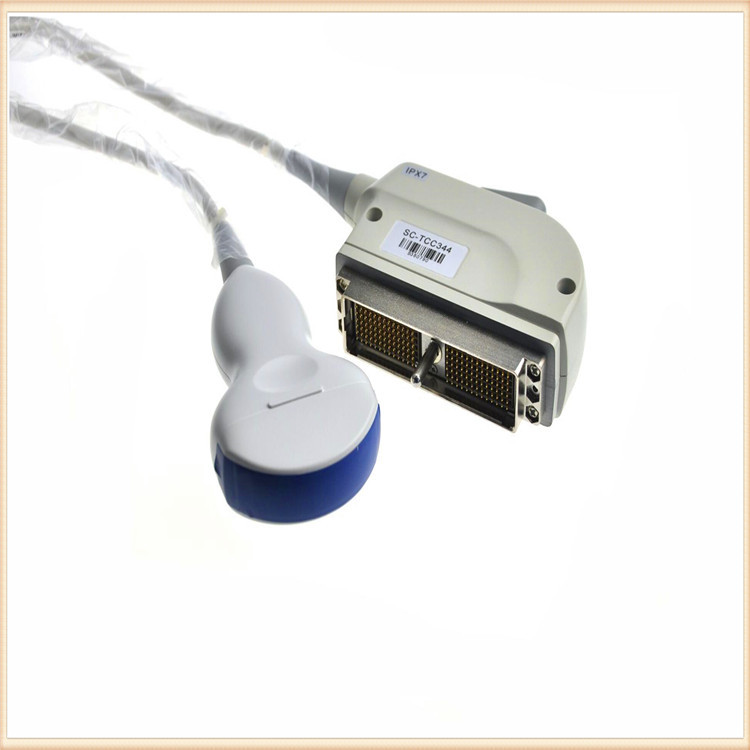
High-Performance Military Ultrasound Coaxial Cables: Built for Extreme Conditions Designed to meet the demanding requirements of military, aerospace, and medical applications, our Military-Grade Ultrasound Coaxial Cables deliver except.

Ultra-Flexible 42AWG Medical-Grade Coaxial Cables for High-Precision Ultrasound Imaging Designed for demanding medical imaging applications, our Ultra-Flexible 42AWG Coaxial Cables deliver exceptional signal integrity, noise reduction,.
Feel free to reach out to us for any inquiries or orders.